
Many individuals over the age of 55 experience a pervasive sense of morning sluggishness, often mistakenly attributing it to the inevitable march of time. This daily energy deficit, which can linger throughout the entire day, is not necessarily an unchangeable aspect of aging but rather a signal that the body’s natural systems may require a gentle, consistent nudge. Decades of expertise in the field of fitness, including 25 years dedicated to educating future personal trainers at institutions like TRAINFITNESS, reveal a recurring pattern: a lack of early-day physical activation can significantly impede overall vitality. The solution, championed by veteran fitness professionals, lies not in complex gym machinery or strenuous regimens, but in a series of fundamental, equipment-free movements performed right at home. These five exercises are designed to systematically reawaken the body’s internal mechanisms, fostering sustained energy and improving functional strength, far more efficiently than sporadic, intense workouts.
The physiological landscape undergoes discernible shifts as we progress beyond our mid-fifties, influencing our daily energy rhythms. Hormonal production, particularly that of cortisol, a key hormone responsible for initiating our natural wakefulness, tends to slow. While often associated with stress, cortisol plays a crucial role in regulating our circadian rhythm and preparing the body for activity. Simultaneously, our metabolic rate, the efficiency with which our bodies convert food into energy, takes longer to transition from a resting, sleep-induced state to an active one. Blood circulation to vital muscle groups and the brain also becomes less prompt, contributing to feelings of mental fogginess and physical inertia upon waking.
Engaging in targeted physical activity first thing in the morning acts as a powerful catalyst, compelling these systems to activate more rapidly. This deliberate movement elevates the heart rate, facilitating superior oxygen distribution throughout the body and to the brain. Muscles begin to access their stored energy reserves, while the nervous system receives essential stimulation, sharpening reflexes and coordination. The body, in essence, is given an undeniable imperative to spring into action. This early investment in physical movement, even for a brief 30 to 60 minutes, lays a foundation for improved energy and mental acuity that extends across the entire day. Furthermore, robust scientific evidence supports the profound connection between morning exercise and the regulation of our internal biological clock, or circadian rhythm. Regular physical activity at the start of the day not only enhances daytime alertness but also significantly contributes to more restorative sleep patterns at night, creating a virtuous cycle that consistently reinforces overall well-being.
Observations from countless client interactions highlight a stark contrast: individuals who habitually forgo morning movement frequently report battling fatigue until well past noon, operating at a diminished capacity. Their bodies eventually rouse, but a significant portion of their day is spent in a suboptimal state. Conversely, those who embrace an early exercise routine consistently describe feeling more mentally sharp, physically capable, and intrinsically motivated throughout their daily endeavors. This proactive approach to wellness empowers individuals to regain control over their energy levels, transforming their daily experience.
A Foundational Routine for Enduring Vitality
The effectiveness of this regimen stems from its simplicity and the compound benefits of each movement. These bodyweight exercises leverage the body’s natural resistance, making them accessible to nearly everyone regardless of current fitness level or access to specialized equipment. Consistency, rather than intensity, is the cornerstone of their success.
-
Bodyweight Squats: This exercise is arguably one of the most fundamental human movements, directly translating to daily activities such as sitting, standing, and lifting. Squats are exceptionally potent for morning activation because they simultaneously engage the largest muscle groups in the lower body: the quadriceps, glutes, and hamstrings. This widespread muscle activation necessitates a substantial demand for oxygen and energy, prompting an immediate and robust response from the cardiovascular and metabolic systems. When executing squats, focus on descending as if sitting into a chair, keeping the chest lifted and ensuring the knees track in alignment with the toes, avoiding any inward collapse. Proper form is crucial to protect the joints and maximize muscle engagement. Aim for two sets of 10 repetitions, resting for 30 to 60 seconds between sets. As strength progresses, consider adding a third set or increasing to 15 repetitions.
-
Wall Push-Ups: Providing a scalable and joint-friendly alternative to traditional floor push-ups, this exercise effectively targets the upper body and core. It’s particularly well-suited for a morning routine when muscles might still feel tight or for individuals managing shoulder restrictions. Wall push-ups engage the chest, shoulders (deltoids), and triceps, while also activating the core muscles to maintain a stable posture. To perform, stand facing a wall at arm’s length, placing hands slightly wider than shoulder-width apart. Lean into the wall, bending the elbows, and then push back to the starting position. Maintain a straight line from head to heels, preventing the hips from sagging or lifting too high. Complete two sets of 12 repetitions, with a brief 30-second rest period between sets.
-
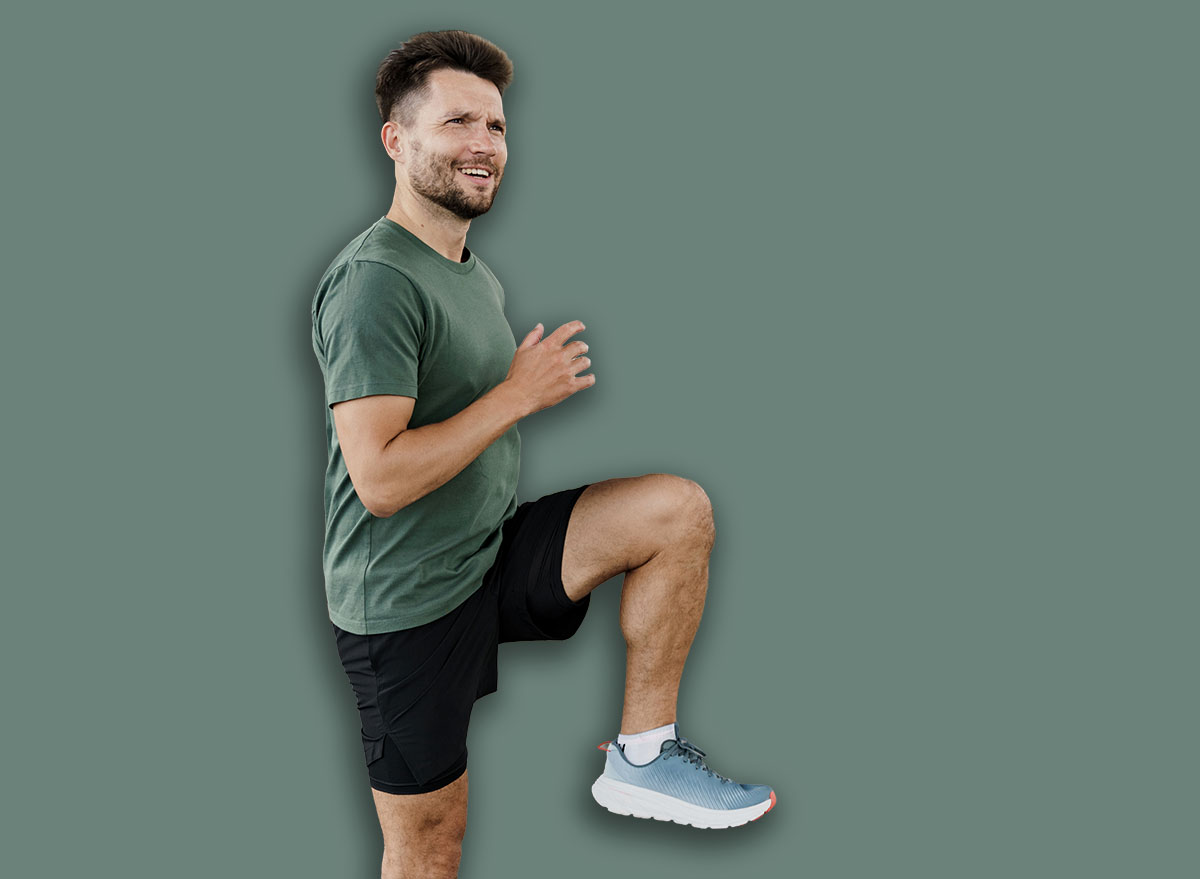
Standing Knee Raises: This dynamic movement is vital for enhancing hip flexor mobility and core stability, while simultaneously challenging balance – all critical components of functional fitness that can decline significantly without active maintenance after 55. Strong hip flexors are essential for comfortable walking and climbing stairs, while a robust core is fundamental for posture and preventing lower back pain. To perform, stand tall, gently holding onto a wall or sturdy surface for support if needed. Slowly lift one knee towards the chest, engaging the abdominal muscles. Hold briefly at the peak of the movement before lowering with control. The standing leg’s glutes and core will work to stabilize the body. Execute two sets of 10 repetitions on each leg, focusing on controlled movement rather than speed.

-
Standing Arm Circles: Designed to mobilize the shoulders and upper back, areas prone to stiffness overnight, especially for those with pre-existing shoulder conditions or injuries, arm circles improve range of motion and alleviate tension. This exercise gently warms up the rotator cuff muscles, promoting joint health and flexibility crucial for everyday tasks like reaching and lifting. Stand with feet shoulder-width apart and arms extended straight out to the sides. Begin by performing small, controlled circles forward, gradually increasing the size. After completing the forward repetitions, reverse the direction. Focus on smooth, deliberate movements, avoiding jerky motions or shrugging the shoulders towards the ears. Complete two sets of 10 circles in both forward and backward directions, resting for approximately 20 seconds between sets.
-
Heel Raises: Strengthening the calf muscles and enhancing ankle stability, heel raises are a cornerstone for improving balance and significantly reducing the risk of falls. Strong calves provide the propulsive power for walking and running, while stable ankles are essential for navigating uneven terrain confidently. Stand upright, optionally holding onto a support for balance. Slowly lift onto the balls of your feet, raising your heels as high as comfortably possible. Hold briefly at the top, feeling the contraction in your calves, then lower with control. Ensure the movement is deliberate and not rushed. Perform two sets of 15 repetitions, allowing for a 30-second rest between sets.
The Transformative Journey: Noticing the Difference
The benefits of incorporating this routine into your morning are often felt sooner than anticipated, initiating a cascade of positive changes.
- Within the First Week: You will likely experience an easier awakening, with a noticeable uptick in your baseline morning energy levels. Your metabolism will have begun to respond to the consistent signal of early physical activity.
- After Two Weeks: Everyday movements, previously perhaps a minor struggle, will start to feel less demanding. Rising from a chair will require less effort, and ascending a flight of stairs will leave you less breathless.
- By the End of the Second Month: More profound physical transformations will become evident. Your legs will feel more robust, your core will exhibit increased firmness, and you may find yourself naturally adopting a taller, more confident posture without conscious effort.
- By Three Months: The changes will extend beyond your personal perception. Friends and family members will likely begin to remark on your improved movement quality or an overall healthier, more vibrant appearance.
The enduring principle behind these remarkable improvements is consistency. Adhering to this five-exercise routine daily yields superior, more sustainable results than engaging in longer, more intense workouts a few times a week. The body thrives on regular signals, adapting and strengthening in response to consistent, manageable demands rather than intermittent, high-stress events.

Amplifying Results: Synergistic Morning Habits
While the exercises form the core of this revitalizing routine, integrating a few strategic morning habits can significantly enhance their effectiveness and solidify your newfound energy.
- Prioritize Hydration: Begin your day by consuming 300-500ml of water. After seven to eight hours without fluid intake during sleep, blood volume naturally decreases, diminishing oxygen delivery to muscles and vital organs. Pre-loading with water effectively primes your circulatory system, preparing your body to respond optimally to physical exertion.
- Embrace Early Light Exposure: Within 30 minutes of waking, seek out natural sunlight or position yourself near a bright window. This crucial practice helps to suppress melatonin production, the hormone responsible for sleepiness, and simultaneously regulates your natural morning cortisol surge. This dual action sharpens daytime energy and contributes to more profound sleep cycles at night.
- Consume Protein Within 90 Minutes: Aim for a breakfast containing 20-30 grams of protein shortly after your workout. Protein plays a pivotal role in stabilizing blood sugar levels and provides the essential amino acids necessary for muscle repair and growth following an overnight fast. Its slower digestion rate compared to carbohydrates ensures a prolonged, steady release of energy, preventing mid-morning slumps. Options like eggs, Greek yogurt, or a protein shake are excellent choices.
- Maintain a Consistent Sleep Schedule: Your body’s internal clock operates most effectively with regularity, even on weekends. Research consistently demonstrates that individuals adhering to a consistent sleep-wake schedule report higher morning energy levels, irrespective of the total hours slept. This regularity reinforces your circadian rhythm, optimizing natural energy production.
- Strategically Delay Caffeine Intake: If coffee or tea is part of your morning ritual, consider postponing your first cup for 90 to 120 minutes after waking. This allows your body’s natural cortisol surge to run its full course, providing a natural energy boost. Reaching for caffeine immediately upon waking can, over time, potentially dampen your body’s intrinsic cortisol production and increase reliance on external stimulants. Allow movement and natural light to be your primary energizers.
By embracing this holistic approach – a consistent, bodyweight-focused morning exercise routine complemented by thoughtful lifestyle adjustments – individuals beyond 55 can effectively counteract the common perception of age-related energy decline. This proactive engagement in personal wellness offers a pathway to not just maintaining but significantly enhancing daily vitality, functional independence, and overall quality of life. The power to revitalize your mornings and reclaim sustained energy throughout the day lies within these accessible and impactful practices.
About the Author