
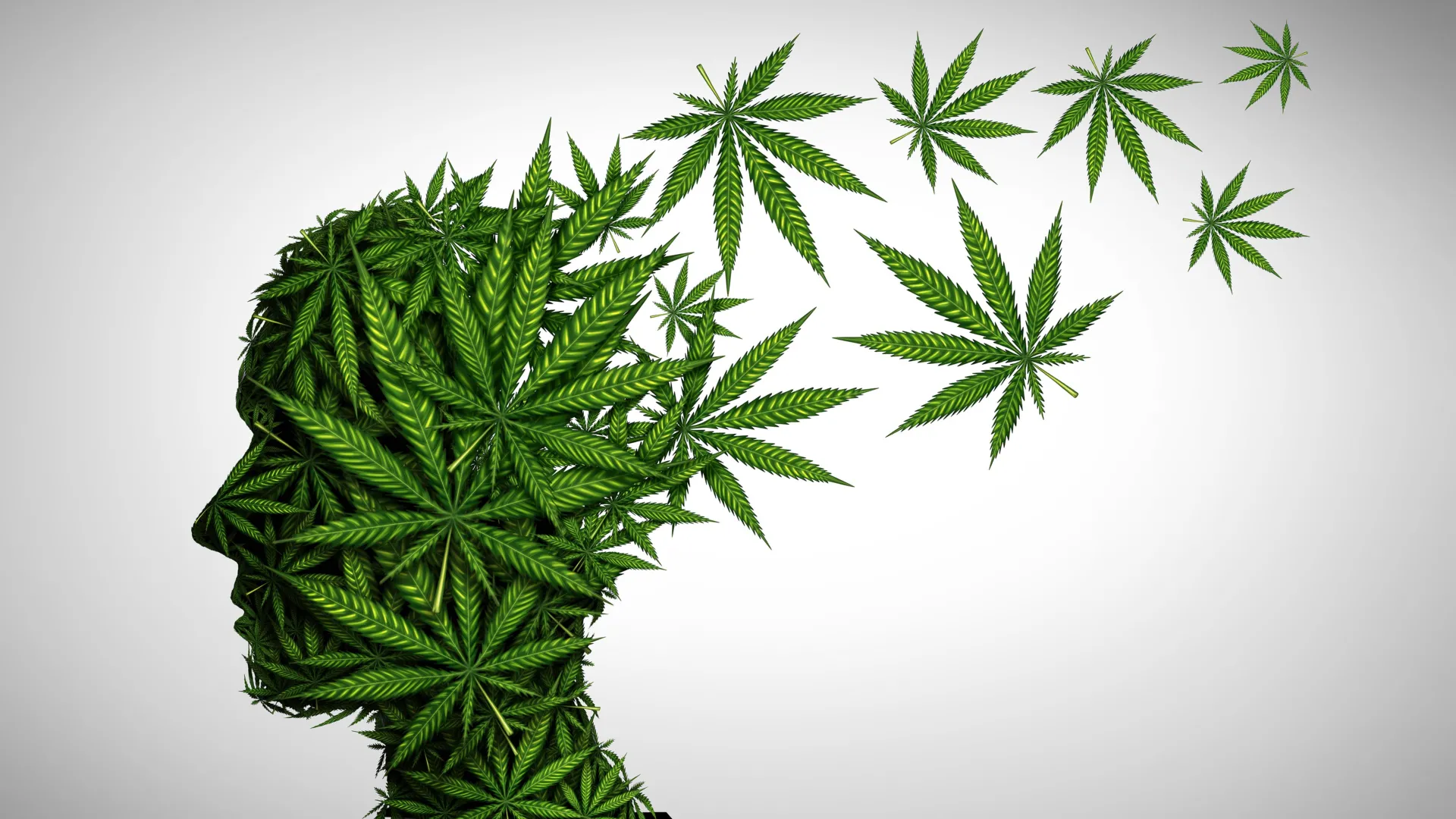
A comprehensive investigation conducted by researchers at Washington State University has unveiled significant alterations in memory processes among individuals who have recently consumed tetrahydrocannabinol (THC), the primary psychoactive compound in cannabis. The findings suggest that THC does not merely contribute to a general haziness of recollection but actively reshapes how memories are encoded, stored, and subsequently accessed, leading to a pronounced susceptibility to fabricating information and a diminished capacity for executing future-oriented tasks. This groundbreaking research, published in the esteemed Journal of Psychopharmacology, offers one of the most granular examinations to date of cannabis’s intricate impact on human cognition, extending beyond simple recall of discrete items to encompass a broad spectrum of mnemonic functions essential for daily life.
The study’s experimental design meticulously probed various facets of memory. Participants, all of whom were regular cannabis users, were randomly allocated to one of three groups in a meticulously controlled, double-blind setting. One cohort received a placebo cannabis vapor, while the other two groups were administered either 20 milligrams or 40 milligrams of THC via vaporization. Following their assigned administration, each participant underwent approximately one hour of rigorous memory assessments. These evaluations were designed to quantify performance across several distinct memory domains, including verbal recall, visuospatial memory (the ability to remember visual information and spatial relationships), prospective memory (remembering to perform actions in the future), source memory (recalling the origin of information), the generation of false memories, episodic memory (recalling personal experiences), and temporal order memory (remembering the sequence of events).
The results painted a compelling picture of THC’s cognitive footprint. Across a substantial majority of the 21 distinct memory measures employed, individuals who had consumed THC demonstrated notably poorer performance compared to their counterparts who received the placebo. Specifically, 15 of these measures revealed statistically significant discrepancies, underscoring the pervasive influence of THC on mnemonic faculties. This broad disruption across multiple memory systems challenges prior research that often focused on isolated memory functions.
Perhaps the most striking revelation from the WSU study concerns the amplified tendency for false memory formation and the compromised integrity of source memory. In a specific test designed to elicit false recollections, participants were presented with themed lists of words. Crucially, the central keyword that unified each list was deliberately omitted. Subsequent recall tasks revealed a significantly higher likelihood among THC consumers to report hearing words that had never actually been presented. This phenomenon, where individuals confidently recall information that is erroneous or fabricated, suggests a distortion in the very architecture of memory construction under the influence of THC. As Dr. Carrie Cuttler, the study’s senior author and an associate professor of psychology at WSU, noted, the occurrence of these non-existent words was remarkably common, sometimes thematically related to the presented lists and at other times entirely disconnected, indicating a broad impairment in discerning veridical from confabulated information.
Compounding this issue, the study also identified significant deficits in source memory among THC users. This deficiency impairs an individual’s ability to accurately pinpoint the origin of a piece of information. Consequently, distinguishing between a memory derived from a credible source, a casual conversation, or an unreliable online platform becomes substantially more challenging. The implications of such source confusion are far-reaching, particularly in contexts where information accuracy is paramount. For instance, in legal proceedings, misattribution of information during eyewitness testimonies, especially when coupled with suggestive questioning, could profoundly distort recollections of events.
Beyond the realm of recalling past events, the research also illuminated a notable impairment in prospective memory, the cognitive function that enables individuals to remember to carry out intended actions at a future point in time. This is a critical component of everyday functioning, underpinning essential tasks such as remembering to take prescribed medications, attending scheduled appointments, or completing errands. The study’s findings suggest that engaging in activities that require future planning and execution while under the influence of THC could lead to missed obligations and a general decline in self-management. Dr. Cuttler emphasized the pervasive reliance on prospective memory in our daily routines, cautioning that impaired prospective memory during times of anticipated need could have tangible negative consequences.
Interestingly, the study did not find a significant impact on episodic content memory, which pertains to the recall of personal experiences and autobiographical events. However, the researchers stressed that further investigation is warranted before definitive conclusions can be drawn regarding THC’s effects on this specific memory domain.
The study’s researchers expressed surprise at the lack of a dose-dependent effect between the 20mg and 40mg THC groups. This observation implies that even moderate doses of THC can exert a substantial disruptive influence on memory functions, suggesting a potential threshold below which significant cognitive impairment may not be observed. This finding holds particular relevance given the increasing prevalence of cannabis use and the varied potency of commercially available products.
The context for this research is one of rapidly evolving cannabis legislation and widespread societal acceptance. As more jurisdictions move towards legalization, a significant gap persists in understanding the acute cognitive consequences of cannabis consumption. Historically, the classification of cannabis as a Schedule I controlled substance under federal law has posed considerable hurdles to scientific inquiry, thus limiting the body of knowledge regarding its short-term neurological effects. Dr. Cuttler highlighted the paradoxical situation of residing in a state with high cannabis utilization rates while simultaneously lacking comprehensive data on its immediate cognitive impacts. The ultimate objective of such research, she articulated, is to equip individuals with the necessary information to make well-informed decisions regarding the potential risks and benefits associated with cannabis use. By shedding light on these complex memory alterations, this study contributes a crucial piece to the ongoing dialogue about cannabis and cognitive health, aiming to foster a more evidence-based understanding in a rapidly changing landscape.
About the Author












