Maintaining robust lower body strength becomes an increasingly critical aspect of overall health and functional independence as individuals progress past their fifth decade of life. While numerous exercises target the legs, one often-overlooked yet profoundly effective movement, the isometric wall squat—commonly known as the wall sit—serves as an accessible, joint-friendly, and highly indicative measure of quadriceps endurance and foundational leg power. This static exercise, which involves holding a seated position against a wall, has garnered renewed attention from physical therapy professionals for its capacity to build essential strength, improve posture, and enhance balance across diverse fitness levels.
The significance of the wall sit extends far beyond its simplicity. Dr. Zach Smith, a highly respected Doctor of Physical Therapy and the visionary founder of HIDEF Physical Therapy, a network of eight clinics specializing in orthopedic and sports rehabilitation, injury prevention, and athletic performance, champions the wall sit as a fundamental component of effective training regimens. Dr. Smith, who guides a wide spectrum of athletes from high school competitors to professionals in major leagues like the MLB, NFL, and NBA, observes that this exercise, despite its long-standing presence in fitness lore, has been unjustly sidelined in many modern routines. He emphatically asserts its immense productivity, particularly in addressing common issues such as knee discomfort and fostering robust quadriceps development.
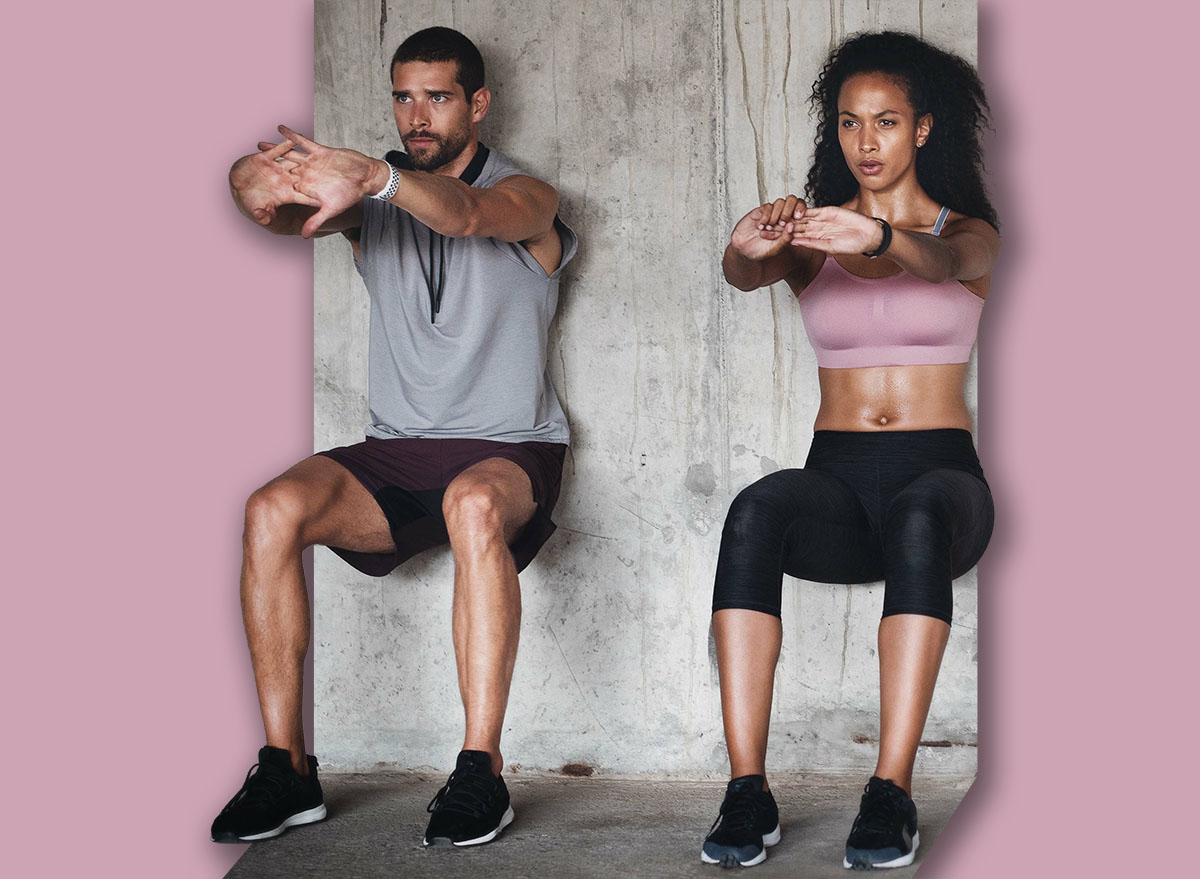
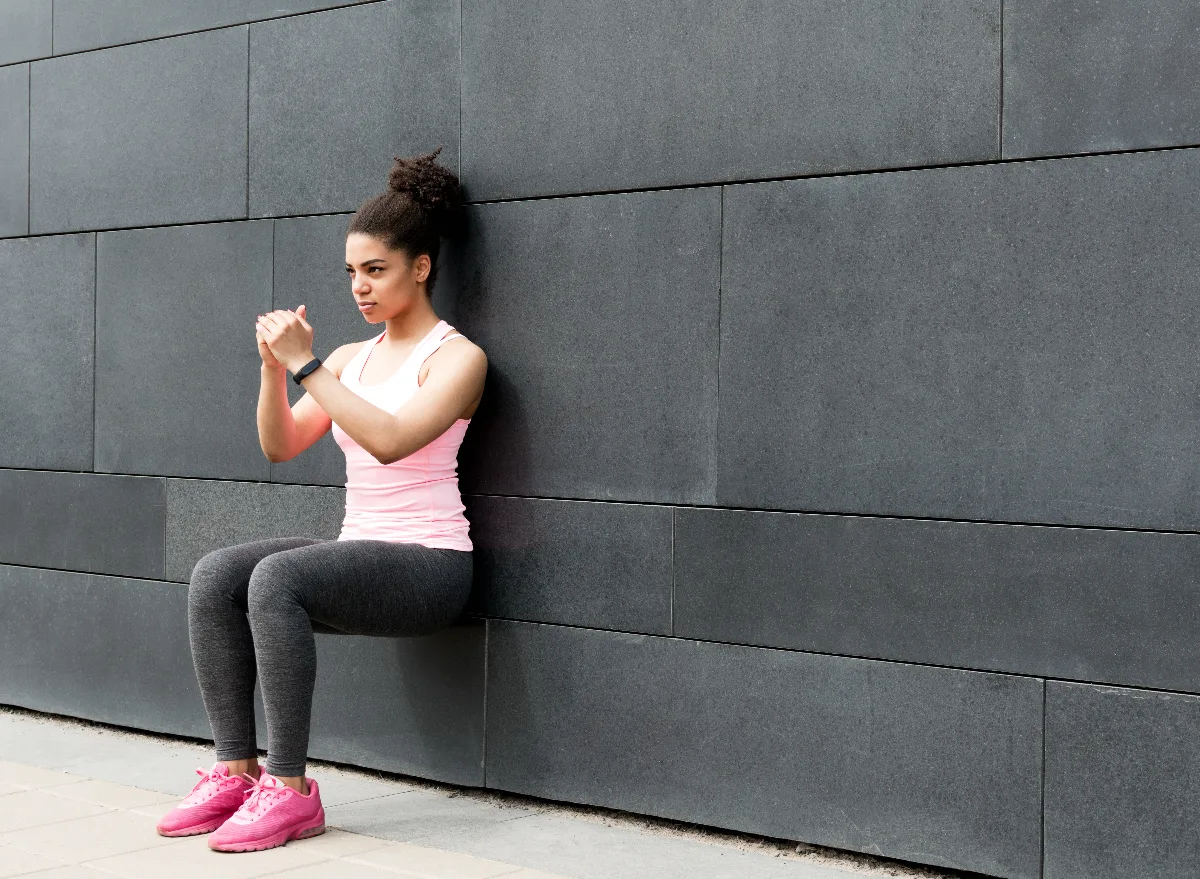
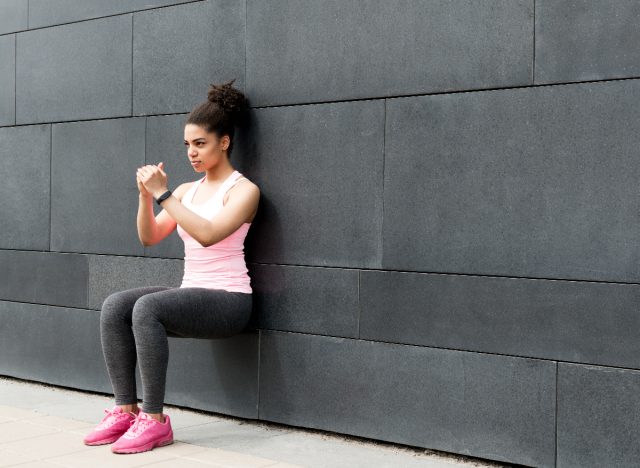
At its core, the wall sit is an isometric exercise, meaning the muscles contract without significant change in their length and the joints remain stationary. Participants lean their back against a flat wall, slide down until their hips and knees form a 90-degree angle, mimicking a sitting posture, with feet flat on the floor and hip-width apart. The objective is to maintain this position for as long as possible. This static hold engages the primary muscle groups of the lower body in a sustained manner, distinct from dynamic movements like squats or lunges where muscles lengthen and shorten. The controlled nature of the wall sit makes it particularly appealing for individuals seeking to strengthen their legs without subjecting their joints to the impact or complex movement patterns associated with dynamic exercises, rendering it a stellar choice for joint health and rehabilitation.
The primary beneficiaries of the wall sit are the quadriceps femoris muscles, a group of four powerful muscles located at the front of the thigh. These muscles are crucial for extending the knee and flexing the hip. Dr. Smith highlights that few exercises provide such comprehensive and isolated activation of the quadriceps. He likens the intense quad engagement during a wall sit to the muscular effort required for descending stairs, noting that individuals lacking adequate quadriceps strength often develop compensatory movement patterns to manage this everyday task. By specifically targeting and fortifying these muscles, the wall sit directly contributes to improved biomechanics for activities like walking down steps, rising from a chair, and maintaining stable balance, thereby bolstering functional strength essential for daily living. Beyond the quads, the exercise also activates the gluteal muscles (glutes) and the calf muscles, along with core stabilizers, making it a holistic lower body and core conditioner. The sustained contraction helps build muscular endurance, a crucial component of fitness that enables muscles to perform repeated or sustained contractions without fatigue.
For individuals over the age of 50, assessing and improving lower body strength is paramount for mitigating age- related decline, known as sarcopenia, and preserving quality of life. Dr. Smith provides clear benchmarks for evaluating wall sit performance within this demographic, offering a valuable self-assessment tool. He suggests that holding a wall sit with correct form for a duration of 30 to 60 seconds is considered average for adults in this age bracket. Surpassing the 60-second mark elevates performance to an "above average" category. Achieving an "excellent" rating demands maintaining the position for more than 90 seconds, demonstrating significant muscular endurance and control. The pinnacle of performance, which Dr. Smith classifies as "top-tier," involves holding the precise 90-degree knee flexion posture for over 90 seconds without any discernible shifting or alteration of form. These metrics serve not merely as arbitrary targets but as indicators of foundational strength that translates directly to enhanced mobility, stability, and reduced risk of falls in later life.
The benefits of isometric training, as exemplified by the wall sit, extend beyond muscle hypertrophy and endurance. Research suggests that regular isometric exercises can contribute to improved cardiovascular health, including a reduction in blood pressure, although individuals with pre-existing cardiovascular conditions should consult a healthcare professional before initiating such training. The mental fortitude required to sustain an isometric hold also cultivates a stronger mind-muscle connection and enhances tolerance for discomfort, attributes valuable in all aspects of physical training and daily challenges. Furthermore, because wall sits are performed against gravity in a stable position, they place minimal shear stress on the knee joints, making them an excellent choice for individuals recovering from certain injuries or those with joint sensitivities who might find dynamic exercises problematic.
For those looking to integrate wall sits into their fitness routine or to advance their current performance, a structured progression strategy is key. Dr. Smith advises starting at one’s current comfortable holding duration, which for many of his physical therapy patients might initially be around 30 seconds. The aim is to gradually extend this time by adding modest increments, typically 10 to 15 seconds per repetition. He recommends performing three to five repetitions per session. Crucially, Dr. Smith emphasizes the importance of appropriate rest periods between repetitions. Initially, a 1:1 work-to-rest ratio is advised, meaning if a person holds the wall sit for 30 seconds, they should rest for 30 seconds before the next repetition. As the holding time increases and individuals become more adept, particularly when reaching durations of approximately 60 seconds, he suggests transitioning to a 1:2 work-to-rest ratio. This adjustment, for instance, would mean resting for two minutes after a 60-second wall sit, allowing for more complete recovery and sustained effort in subsequent sets.
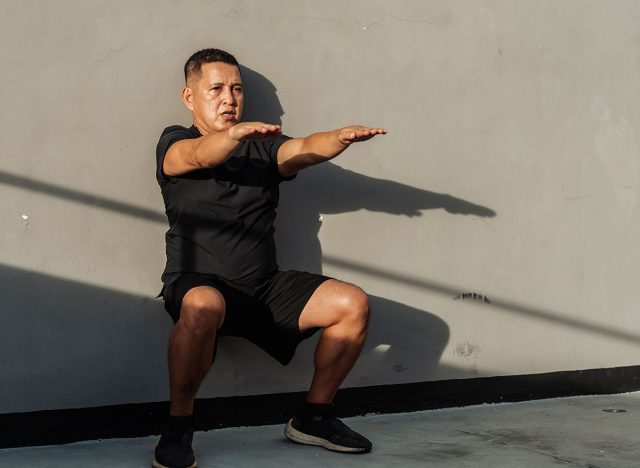
To ensure effectiveness and prevent injury, proper form is non-negotiable. The back must remain flat against the wall, maintaining neutral spine alignment. The feet should be planted firmly on the ground, shoulder-width apart, with the knees directly above the ankles. The thighs should be parallel to the floor, creating that critical 90-degree bend at the knees. Common mistakes include allowing the hips to drop too low, placing hands on the knees for support, or letting the back arch away from the wall. Engaging the core throughout the exercise helps maintain stability and proper posture. For those seeking to further challenge themselves once the 90-second benchmark is consistently met, advanced variations can be introduced, such as holding a weight plate on the thighs, performing single-leg wall sits, or adjusting the knee angle to a deeper flexion (though caution should be exercised with deeper angles to avoid excessive knee strain).
In conclusion, the isometric wall squat stands as a testament to the power of fundamental bodyweight exercises. Its capacity to sculpt lower body strength, enhance endurance, and foster functional independence, particularly for the over-50 demographic, positions it as an invaluable tool in any comprehensive fitness regimen. Dr. Zach Smith’s insights underscore its role not just as a strength builder but as a diagnostic benchmark for assessing vitality. By embracing this accessible, joint-friendly movement and adhering to a progressive training approach, individuals can unlock significant gains in their quadriceps strength, ultimately contributing to a more active, stable, and independent life journey well beyond midlife.
About the Author