Strategic Fitness Regimen: Enhancing Stamina and Strength for Active Lifestyles Beyond 65

As individuals navigate the landscape of life beyond 65, a frequently encountered challenge is the noticeable decline in physical energy and endurance, making once-routine activities feel considerably more taxing. This shift, often characterized by a reduced capacity to sustain effort, stems from a confluence of physiological changes inherent to aging. Understanding these underlying mechanisms and proactively addressing them through a tailored fitness approach can be transformative, allowing many to recapture a vibrancy reminiscent of earlier decades. The objective isn’t merely to stave off decline but to actively cultivate a robust physical foundation that supports continued independence, vitality, and an enriched quality of life.
The human body undergoes several natural transformations as it ages, collectively contributing to diminished energy levels and physical performance. One primary factor is sarcopenia, the progressive and involuntary loss of skeletal muscle mass, strength, and function. Beginning as early as age 30, this process accelerates significantly after 60, directly impacting metabolic rate and overall physical capacity. Furthermore, cardiovascular efficiency can lessen, meaning the heart and lungs become less effective at delivering oxygen and nutrients to working muscles, leading to quicker fatigue. Bone density can also decrease, increasing fracture risk, while joint flexibility may diminish, restricting range of motion. These interconnected changes can create a cycle where reduced activity leads to further deconditioning, exacerbating feelings of weariness.
However, these age-related changes are not immutable. A comprehensive strategy that integrates targeted physical activity with crucial lifestyle elements can profoundly mitigate these effects. Before delving into specific movements, it is paramount to recognize the foundational role of holistic health practices. Adequate restorative sleep, for instance, is not merely a period of rest but a vital window for cellular repair, hormonal regulation, and cognitive consolidation—all critical for physical recovery and sustained energy. Chronic sleep deprivation can impair muscle repair, reduce glucose metabolism, and increase inflammation, directly undermining any exercise efforts. Similarly, optimal hydration is indispensable. Water is essential for countless bodily functions, including nutrient transport, temperature regulation, and joint lubrication. Even mild dehydration can manifest as fatigue, reduced athletic performance, and cognitive sluggishness. Finally, a nutrient-dense dietary intake provides the essential fuel for both daily living and strenuous activity, supporting muscle synthesis, energy production, and overall cellular health. Without these fundamental pillars firmly in place, even the most meticulously planned exercise routine will yield suboptimal results.
Once these foundational elements are addressed, the focus shifts to a balanced exercise regimen designed to systematically rebuild physical capacity. For older adults, an effective program transcends simple strength training, incorporating elements of power, balance, and sustained cardiovascular effort. This multi-faceted approach ensures that the body is challenged in diverse ways, promoting functional fitness—the ability to perform daily activities with ease and confidence. The goal is to progressively enhance the body’s ability to handle increasing demands without inducing excessive exhaustion, fostering a sustainable path to improved well-being.
Let’s explore key categories of movements that can contribute significantly to this rejuvenation:
1. Dynamic Lower-Body Power Activation (Inspired by Squat Jumps)
Power, defined as the ability to generate force quickly, is often overlooked in senior fitness but is crucial for reactive movements, fall prevention, and maintaining agility. This exercise targets the quadriceps, glutes, hamstrings, and calves, demanding rapid muscular contractions.

- Execution Principle: Begin by lowering into a controlled bodyweight squat, ensuring the back remains straight and knees track over the toes. From this position, initiate a controlled, low-impact upward drive, lifting both feet slightly off the ground. The emphasis is on a swift but not necessarily high jump. Crucially, land softly, absorbing the impact through bent knees and ankles before resetting for the next repetition.
- Variations: For those new to dynamic movements, start with fast bodyweight squats, focusing on accelerating upward without leaving the ground. Progress to a squat with a calf raise, then introduce a very shallow jump.
- Benefits: Enhances explosive strength, which is vital for recovering balance quickly or stepping over obstacles. It also improves neuromuscular coordination and helps maintain the speed component in movement patterns, often lost with age.
- Guidance: Aim for 2-3 series of 5-8 repetitions, allowing 45-60 seconds of recovery between series. Maintain strict control, especially during the landing phase.
2. Integrated Leg and Core Stability (Inspired by Reverse Lunge with Knee Drive)
This exercise is a sophisticated blend of unilateral strength, dynamic balance, and core engagement. By loading one leg at a time and incorporating a balance challenge, it mirrors real-world movements and bolsters stability, which is critical for preventing falls. It engages the quadriceps, glutes, hamstrings, and core musculature.
- Execution Principle: Step backward with one leg into a lunge position, lowering the hips until both knees are bent at approximately 90 degrees. Ensure the front knee stays aligned over the ankle. Drive through the front heel to return to standing, simultaneously bringing the back knee forward and upward towards the chest in a controlled, fluid motion. Hold this balanced position briefly before stepping back into the next lunge.
- Variations: Initially, perform supported reverse lunges using a wall or chair for balance. Gradually remove the support and then introduce the knee drive component. Alternating legs can also simplify the pattern before focusing on one side.
- Benefits: Develops single-leg strength, crucial for walking, climbing stairs, and recovering from stumbles. The knee drive component significantly improves dynamic balance and core stability, making everyday transitions safer and more efficient.
- Guidance: Perform 2-3 series of 6-10 repetitions on each side, resting 45-60 seconds between series. Prioritize regaining full balance before initiating the subsequent repetition.
3. Rhythmic Full-Body Activation (Inspired by Cross-Body March)
This low-impact, continuous movement is an excellent way to elevate the heart rate and improve cardiovascular conditioning without placing excessive stress on joints. It engages the abdominal muscles, hip flexors, glutes, and shoulders, promoting rhythmic coordination.
- Execution Principle: Stand tall with good posture. Begin by simultaneously lifting one knee towards the chest while bringing the opposite elbow towards that knee, creating a gentle cross-body motion. Alternate sides continuously, maintaining a steady pace. The focus is on a coordinated, flowing movement rather than maximizing height or speed.
- Variations: Adjust the tempo to suit current fitness levels—slower for beginners, faster for increased intensity. For those with balance concerns, perform seated or with light support.
- Benefits: Improves cardiovascular endurance, core stability, and cross-body coordination. It’s a versatile exercise that can be easily modified, making it accessible even on days when more strenuous activity feels prohibitive.
- Guidance: Complete 2-4 rounds, each lasting 30-45 seconds, with a brief 30-second rest period between rounds. Concentrate on maintaining an upright posture rather than bending forward excessively.
4. Controlled Ascent Step-Up (Inspired by Box Step-Up)
Step-ups are a fundamental exercise for building functional leg strength and endurance, directly translating to improved capacity for climbing stairs, hiking, or navigating uneven terrain. They primarily work the quadriceps, glutes, hamstrings, and calves.
- Execution Principle: Stand facing a sturdy box or step of appropriate height. Place one foot entirely onto the box. Drive through the heel of the foot on the box to lift the body upward until standing fully on the box with both feet. The key is to minimize pushing off the ground with the trailing leg. Step down with control, alternating the lead leg for each repetition or completing all repetitions on one side before switching.
- Variations: Start with a lower step or use external support (e.g., a handrail) for balance. Focus on a slower, more deliberate movement to emphasize muscular control. As strength improves, consider a slightly higher box or increasing the pace.
- Benefits: Develops significant unilateral leg strength and endurance, enhancing the ability to perform daily activities that require lifting the body against gravity. It also improves proprioception and balance.
- Guidance: Perform 2-3 series of 8-12 repetitions per side, allowing 45-60 seconds of rest. Ensure the primary effort comes from the leg positioned on the box.
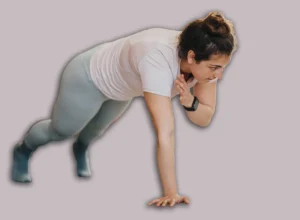
5. Upper Body Foundation (Inspired by Kneeling Push-Up)
While leg strength is often prioritized, maintaining robust upper body strength and endurance is equally vital for everyday tasks like lifting, pushing, or pulling. Modified push-ups offer an effective way to build this capacity without excessive strain. This exercise targets the chest, shoulders, triceps, and abdominal muscles.
- Execution Principle: Begin on all fours, then extend the legs back so the body forms a straight line from the head through the knees. Place hands slightly wider than shoulder-width apart. Lower the chest towards the floor by bending the elbows, keeping the core engaged and the body in a rigid plank position. Push through the hands to return to the starting position.
- Variations: For less challenge, perform against a wall or on an incline (hands on a sturdy counter or bench). As strength progresses, consider full push-ups on the toes.
- Benefits: Builds muscular endurance in the chest, shoulders, and triceps, crucial for maintaining independence in daily tasks. It also strengthens the core, contributing to overall stability.
- Guidance: Complete 2-3 series of 8-15 repetitions, with 30-45 seconds of rest. Focus on maintaining a straight body alignment throughout the entire movement.
Implementing a Progressive Program and Embracing Holistic Well-being
The journey to enhanced vitality is one of consistent, gradual progression. It is essential to begin with variations that can be performed with excellent form and comfort, then incrementally increase the intensity, duration, or complexity as fitness levels improve. Listening to the body and allowing for adequate recovery are paramount to prevent overtraining and injury. Consulting with a qualified fitness professional specializing in senior populations can provide personalized guidance, ensuring exercises are appropriate for individual health conditions and fitness goals.
Beyond the physical benefits, an active lifestyle profoundly impacts cognitive function, mood, and social engagement. Regular exercise has been linked to improved memory, reduced risk of cognitive decline, and alleviated symptoms of anxiety and depression. It can also foster a sense of accomplishment and connection, particularly when performed in group settings.
In essence, regaining energy and optimizing physical capacity after 65 is an achievable and profoundly rewarding endeavor. It requires a commitment to a holistic approach that integrates mindful movement with fundamental lifestyle choices. By strategically engaging the body through varied exercises and nurturing overall well-being, individuals can not only mitigate the effects of aging but actively cultivate a sustained level of vitality, ensuring that the later chapters of life are lived with strength, independence, and an abundance of energy.

Related News