Fortifying Knee Function: Expert-Recommended Exercises for Sustained Mobility and Independence Through the Decades
Maintaining optimal knee health is a cornerstone of an active and independent lifestyle, especially as individuals progress through their later years. The knee joints, pivotal for virtually all lower-body movements, bear significant weight and absorb considerable shock throughout a person’s life. Preserving their strength and stability is not merely about physical capability; it profoundly impacts one’s ability to engage in daily activities, pursue hobbies, and maintain overall quality of life. As the population ages, the emphasis on proactive measures to support joint longevity, particularly in the knees, becomes increasingly vital.
The natural aging process often brings with it a gradual decline in muscle mass, a condition known as sarcopenia, which directly affects the strength supporting major joints. Concurrently, cartilage can thin, and bone density may decrease, making the knees more susceptible to wear, tear, and injury. Conditions like osteoarthritis, characterized by the breakdown of joint cartilage, become more prevalent, often leading to pain, stiffness, and reduced mobility. While traditional exercises like squats are widely recognized for building lower body strength, they may not always be the most suitable or effective option for everyone, particularly those with pre-existing joint issues, balance concerns, or limited mobility. Focusing on targeted, low-impact movements can offer a safer yet highly effective pathway to enhancing knee resilience.
Wellness expert Eric North, known as The Happiness Warrior, a prominent speaker, coach, and advocate for purposeful aging, underscores the profound importance of physical freedom. He highlights mobility, flexibility, and consistent movement as critical components for fostering a more fulfilling and dynamic life at any age. "Physical freedom is the key no matter what age," North explains, emphasizing that an active body directly translates to a more engaged and happier existence. This philosophy extends directly to knee care, where specific, deliberate exercises can make a substantial difference in mitigating age-related decline and restoring functional strength.
Beyond merely slowing down the aging process, strengthening the muscles around the knee contributes significantly to joint stabilization. Robust quadriceps, hamstrings, and calf muscles act as dynamic shock absorbers and provide structural support, reducing the stress placed directly on the ligaments and cartilage within the knee. This protective mechanism can help prevent injuries, alleviate pain, and improve overall balance, thereby diminishing the risk of falls, which are a major concern for older adults. The following four exercises, recommended by experts like North, offer a comprehensive approach to building and maintaining this essential knee strength, providing effective alternatives or complements to more strenuous activities.
1. Chair Squats: Building Functional Lower Body Power with Support
Chair squats serve as an excellent functional exercise that mimics the everyday movement of sitting down and standing up, making them incredibly practical for maintaining independence. Unlike deep traditional squats, which can place considerable stress on the knee joint at extreme angles, chair squats limit the range of motion and provide a tangible target, enhancing safety and control. This exercise primarily engages the quadriceps (front of the thighs), glutes (buttocks), and hamstrings (back of the thighs), all of which are crucial for knee stability and lower body power.
To perform a chair squat effectively, begin by standing with your feet hip-width apart, approximately 6-12 inches in front of a sturdy chair. Your toes should point slightly outward, and your back should be straight with your chest lifted. Initiate the movement by slowly bending your knees and pushing your hips backward as if you are about to sit down. Maintain control throughout the descent, ensuring your knees track in line with your toes and do not collapse inward. Lightly tap the chair with your glutes, or briefly sit if needed for stability, before pushing through your heels to return to the standing position. Focus on squeezing your glutes at the top of the movement. For added challenge, you can hold light dumbbells or a resistance band around your thighs. Aim for 10-15 repetitions across 2-3 sets, prioritizing slow, controlled movements over speed. This controlled motion builds eccentric strength (the lowering phase), which is vital for preventing falls and managing impact.
2. Straight-Leg Raises: Isolating Quadriceps for Enhanced Knee Stability
Straight-leg raises are a fundamental exercise often prescribed in rehabilitation settings for their ability to strengthen the quadriceps muscles, particularly the vastus medialis obliquus (VMO), a key muscle for patellar (kneecap) tracking and overall knee stability. This exercise is particularly beneficial for individuals who may have difficulty bearing weight on their knees or those recovering from injuries, as it can be performed while lying down, minimizing joint impact.
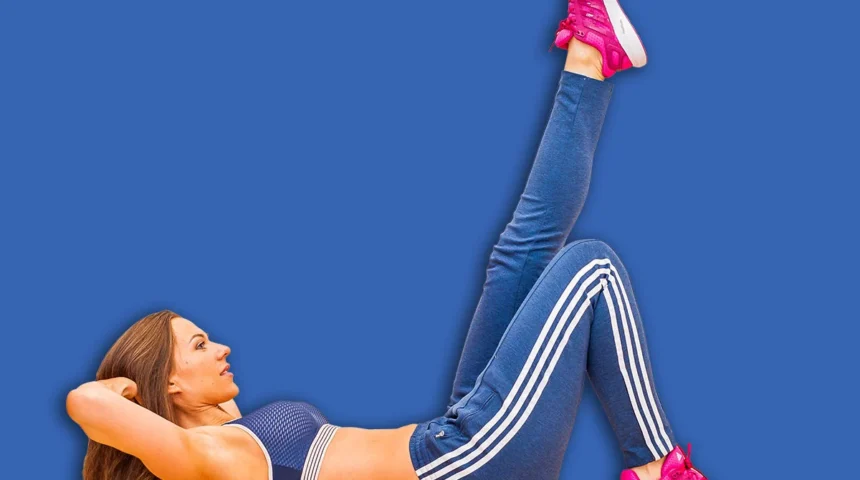
To execute a straight-leg raise, lie flat on your back on a mat, with one leg bent at the knee, foot flat on the floor, and the other leg extended straight. Engage the quadriceps of the straight leg, pressing the back of your knee down into the mat to ensure the leg is fully extended and the muscles are activated. Slowly lift the straight leg off the floor, keeping it rigid, until it reaches the same height as the bent knee or approximately 12-18 inches off the ground. Crucially, avoid arching your lower back during the lift. Hold the raised position for a count of one to two seconds, focusing on the quadriceps contraction, then slowly lower the leg back to the starting position. The controlled descent is as important as the lift for muscle engagement. Complete 10-15 repetitions on one leg before switching to the other. For a progression, a light ankle weight can be added once baseline strength is established. This exercise directly addresses muscle imbalances and builds the foundation for more complex movements.
3. Seated Knee Extensions: Direct Strengthening of the Quadriceps Muscle Group
Seated knee extensions offer a targeted approach to strengthening the quadriceps, the powerful group of muscles on the front of the thigh that are essential for extending the knee joint. This exercise is particularly effective because it isolates the quadriceps, allowing for focused muscle development crucial for activities like walking, climbing stairs, and standing up from a seated position. It can be performed using a dedicated knee extension machine at a gym or modified at home with a resistance band or light ankle weights.
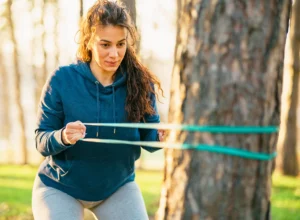
When using a machine, adjust the seat so your knees align with the machine’s pivot point and the pad rests comfortably across your lower shins, just above your ankles. Begin with your knees bent at a 90-degree angle. Exhale as you slowly extend your legs forward, straightening your knees until your legs are almost fully extended, but avoid locking out the knees at the top to prevent hyperextension. Focus on a strong contraction of your quadriceps at the peak of the movement. Inhale as you slowly and deliberately return your legs to the starting position, controlling the weight throughout the entire range of motion. If performing at home, sit on a sturdy chair with your feet flat on the floor. Loop a resistance band around your ankles or secure a light ankle weight. Slowly extend one leg forward until it is straight, hold briefly, then lower it with control. Perform 10-15 repetitions for 2-3 sets on each leg. This exercise is excellent for building strength in the terminal knee extension, which is vital for gait and preventing knee collapse.
4. Standing Calf Raises: Supporting Ankle Stability and Knee Mechanics
While not directly targeting the knee joint itself, standing calf raises are incredibly important for overall lower limb mechanics and indirectly contribute to knee health. The calf muscles, comprised of the gastrocnemius and soleus, play a significant role in ankle stability, propulsion during walking, and absorbing impact. Strong calves ensure proper foot and ankle alignment, which in turn influences the forces transmitted up to the knee joint. They also aid in venous return, promoting better circulation in the lower legs.
To perform standing calf raises, stand tall with your feet hip-width apart, either on a flat surface or with the balls of your feet elevated on a small step (e.g., a thick book or stair edge) for an increased range of motion. If needed, hold onto a wall or sturdy piece of furniture for balance. Keeping your back straight and core engaged, slowly push up onto the balls of your feet, lifting your heels as high as possible. Feel the contraction in your calf muscles. Hold this peak position for a moment, then slowly lower your heels back down, allowing them to drop slightly below the step if you are elevated, to get a full stretch in the calves. Avoid bouncing or using momentum. Perform 15-20 repetitions for 2-3 sets. For a variation, perform single-leg calf raises to further challenge balance and target each leg independently. Ensuring strong, flexible calf muscles can alleviate compensatory stress that might otherwise fall on the knees and other joints during daily movements.
A Holistic Approach to Lifelong Mobility
Incorporating these targeted exercises into a regular fitness regimen can profoundly enhance knee strength, stability, and overall joint health. It’s important to remember that consistency is more impactful than intensity, especially when starting a new exercise program or managing existing joint conditions. Before embarking on any new fitness routine, particularly for individuals over 65 or those with chronic health issues, consulting a healthcare provider or a physical therapist is highly recommended. They can offer personalized advice, address specific concerns, and ensure the exercises are appropriate for individual capabilities.
Beyond these specific movements, a comprehensive approach to maintaining physical freedom includes flexibility exercises, balance training, and cardiovascular activity. Adequate nutrition, hydration, and sufficient rest also play crucial roles in supporting joint health and muscle recovery. By proactively investing in the strength and mobility of the knee joints through consistent, thoughtful exercise, individuals can significantly improve their capacity for an active, independent, and enriching life through all its stages. The pursuit of physical freedom, as championed by experts, truly empowers individuals to define what it means to age with purpose, vitality, and enduring strength.

Related News