Africa Achieves Landmark Eradication of Wild Poliovirus, Global Goal Nears
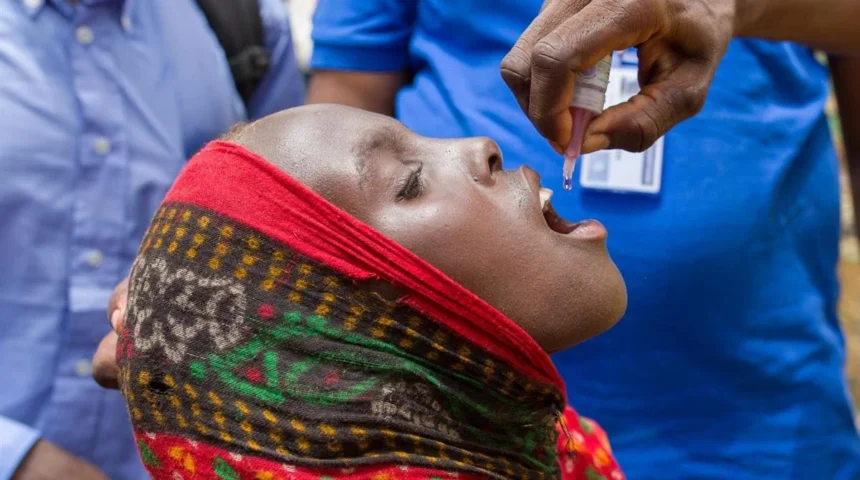
In a momentous declaration that reverberates across the landscape of global public health, the World Health Organization (WHO) African Region has been officially certified free of wild poliovirus. This monumental achievement, confirmed by the Africa Regional Certification Commission, follows a rigorous four-year period without any reported cases of the debilitating disease on the continent. The announcement marks a watershed moment in the decades-long battle against polio, bringing the world significantly closer to the complete eradication of the virus, a feat previously accomplished only with smallpox.
The certification signifies that five out of the six WHO regions, collectively encompassing more than 90% of the world’s population, are now free from the endemic transmission of wild poliovirus. This leaves just two nations globally, Pakistan and Afghanistan, where the wild strain of the virus continues to circulate, underscoring the formidable progress made toward a polio-free world. The Global Polio Eradication Initiative (GPEI), a broad public-private coalition, extended its profound congratulations to the governments of the 47 countries within the WHO African Region for their unwavering commitment and collaborative efforts leading to this historic outcome.
Dr. Tedros Adhanom Ghebreyesus, Director-General of the WHO, lauded the accomplishment as one of the most significant public health triumphs of our era. He articulated that ending the wild poliovirus in Africa serves as a powerful inspiration, galvanizing all stakeholders to complete the monumental task of global polio eradication. His remarks highlighted the indispensable contributions of governments, dedicated health workers, community volunteers, traditional and religious leaders, and countless parents across the region whose collective efforts were instrumental in expelling wild polio from Africa.
Polio, or poliomyelitis, is a highly infectious disease caused by the poliovirus, primarily affecting young children. It invades the nervous system and can cause total paralysis in a matter of hours. While it primarily affects children under five, it can strike anyone who is not immunized. Historically, the disease has caused widespread fear, paralysis, and death, leaving millions with lifelong disabilities. The development of vaccines in the mid-20th century transformed the fight against polio, making eradication a tangible goal. The GPEI was launched in 1988, at a time when polio paralyzed more than 350,000 people annually in over 125 endemic countries.
Africa’s journey to wild polio eradication has been particularly arduous, fraught with unique and profound challenges. The continent’s vast geographical expanse, diverse populations, significant internal migration, and persistent issues of conflict and insecurity have historically posed immense hurdles to effective immunization campaigns. Remote communities, often cut off by difficult terrain or instability, were particularly vulnerable, making routine vaccination a complex logistical puzzle. The virus’s inherent ability to spread rapidly and traverse borders further complicated containment efforts, necessitating robust, cross-border cooperation and surveillance.
Strong leadership and innovative strategies were pivotal in overcoming these formidable obstacles. Governments across the region demonstrated exceptional political will, coordinating national and regional efforts to reach every child. Health systems were bolstered, and creative approaches were deployed to deliver vaccines in challenging environments. This included adapting immunization schedules, utilizing mobile clinics to reach nomadic populations, and leveraging advanced mapping technologies to identify underserved areas. The sheer scale of the operation required vaccinating millions of children multiple times, often under challenging conditions, reflecting an unprecedented public health mobilization.
A critical element of this success was the sustained generosity and shared commitment of a diverse array of donors. This extensive network included national governments, leading private sector entities, multilateral institutions, and philanthropic organizations. Their financial backing and technical support were crucial in establishing and maintaining the extensive infrastructure required for polio eradication. This infrastructure enabled the African region to implement mass vaccination campaigns on an unprecedented scale, ensuring that more children than ever before received the vital protection of polio vaccines, ultimately leading to the defeat of wild polio.
Rotary International, a founding partner of the GPEI, played a significant role in this enduring effort. Rotary International President Holger Knaack emphasized that the certification, occurring during a globally challenging year for public health, stands as a beacon of hope and progress. It powerfully demonstrates what can be achieved through unwavering collaboration and perseverance. Knaack specifically recalled the pivotal moment in 1996 when Nelson Mandela joined forces with Rotary, the GPEI, and African governments, setting in motion the ambitious drive to eliminate polio from the continent. He affirmed that today’s milestone unequivocally proves that polio eradication is attainable, provided the world remains steadfast in its commitment to completing the mission. He urged continued collective action to harness energies, overcome remaining hurdles, and fulfill the promise of a world entirely free of polio.
Beyond the immediate triumph over wild polio, the resources and expertise cultivated during this eradication campaign have significantly strengthened Africa’s broader public health infrastructure and outbreak response capabilities. The polio program’s extensive networks of surveillance, cold chain management, laboratory capacity, and trained personnel have yielded far-reaching benefits for local communities. This robust framework proved invaluable in supporting the African region’s response to other health emergencies, including the recent COVID-19 pandemic, and has also played a crucial role in bolstering routine immunization efforts against other vaccine-preventable diseases. The legacy of the polio program extends far beyond the single disease, creating a more resilient and responsive health ecosystem for the entire continent.
Despite this remarkable achievement, vigilance remains paramount. The GPEI and its partners emphasize that the fight against polio is not entirely over. Continued commitment to strengthening immunization and health systems across the African region is essential not only to protect the gains made against wild polio but also to address the persistent threat of type 2 circulating vaccine-derived poliovirus (cVDPV2). This form of poliovirus, which can emerge in areas with low immunization coverage when the attenuated virus in the oral polio vaccine circulates in under-vaccinated populations, is currently present in 16 countries within the region. Pockets of low immunity create fertile ground for such strains to spread, a risk that has been exacerbated by interruptions in vaccination campaigns due to the COVID-19 pandemic, leaving communities more vulnerable to cVDPV2 outbreaks.
The GPEI issues a strong appeal to countries and international donors to maintain their vigilance against all forms of poliovirus. Until every strain of the virus is eradicated worldwide, the incredible progress achieved globally will remain vulnerable to reversal. The success story of the WHO African Region against wild polio serves as a powerful testament to the possibility of overcoming even the most daunting global health challenges. It underscores the profound impact of collective action, scientific innovation, and sustained investment. The GPEI expresses deep gratitude to every individual, partner organization, donor, and nation that contributed to this extraordinary achievement, urging continued collaboration for the final push towards a polio-free future for all.
Related posts:

Related News