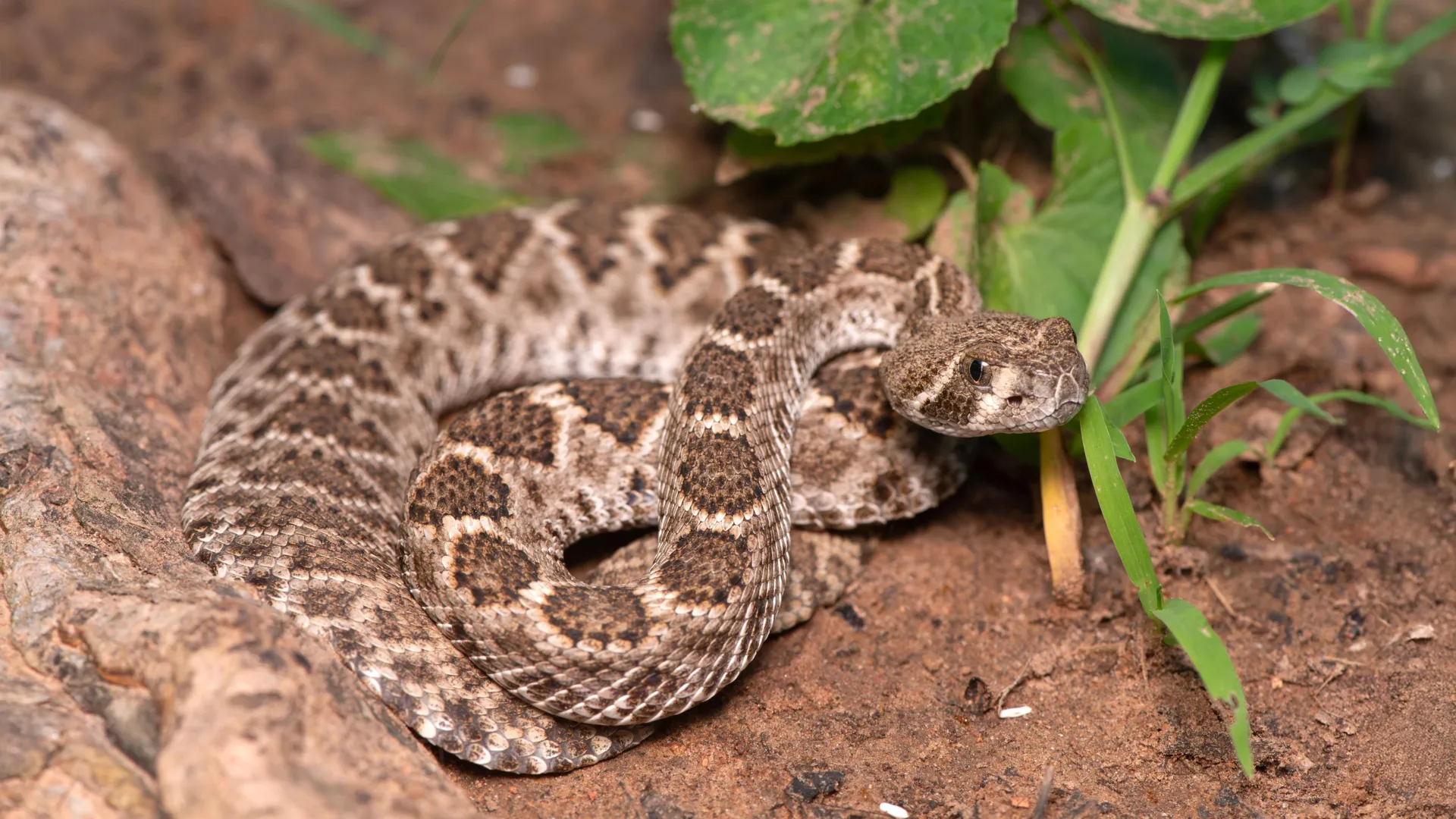
For decades, a persistent and often anxiety-inducing belief has permeated public consciousness regarding the danger posed by juvenile rattlesnakes, frequently asserting them to be more perilous than their adult counterparts. This widespread misconception, often perpetuated through anecdotal accounts and informal warnings, has now been definitively challenged by groundbreaking research from Loma Linda University. A comprehensive study, meticulously reviewing the historical dissemination and societal impact of this pervasive myth, has concluded that, contrary to popular belief, bites from mature rattlesnakes are generally associated with significantly higher risk due to their capacity to deliver substantially greater quantities of venom. This pivotal finding underscores the critical importance of accurate information in public health and wildlife interactions.
The study further dismantled another deeply ingrained fallacy: the notion that young rattlesnakes lack the physiological control to regulate their venom expulsion, thus injecting their entire venom supply with every defensive strike. Researchers emphatically demonstrated that, like adults, juvenile rattlesnakes possess the sophisticated muscular mechanisms necessary to control the volume of venom released during a bite. This revelation directly contradicts the basis of the "baby rattler" myth, which posits uncontrolled venom delivery as a source of amplified danger from younger snakes. The implications of these findings extend far beyond mere biological correction, impacting public safety, medical protocols, and conservation efforts.
William Hayes, a distinguished professor of biology at Loma Linda University School of Medicine and the lead investigator for this pivotal research, articulated the profound real-world consequences stemming from this erroneous belief. "This is an easily defanged myth that has generated dread, panic, and real-life consequences," Hayes stated, emphasizing the tangible harm caused by misinformation. He elaborated on the detrimental effects, which include individuals engaging in misinformed risk-taking when encountering snakes, heightened and often unwarranted fear among those unfortunate enough to suffer a snakebite, and, disturbingly, the potential for medical professionals to administer inappropriate care, either due to their own misconceptions or under pressure from anxious patients and their families. The cumulative evidence, according to Hayes, unequivocally shows that while young rattlers, similar to adults, can modulate their venom discharge, adult specimens possess and deliver a far greater volume of venom when they bite, leading to substantially more severe symptoms in victims.
It is crucial, however, to contextualize these findings within the broader framework of snakebite management. Professor Hayes underscored that any encounter resulting in a bite from a rattlesnake, regardless of the snake’s age or perceived size, constitutes a serious medical emergency demanding immediate professional attention. The only proven and effective therapeutic intervention for rattlesnake envenomation remains antivenom, and delaying its administration can lead to significantly worse outcomes. This vital medical guidance remains unchanged, irrespective of the new insights into relative bite severity. The detailed conclusions of this extensive research were formally presented and published last week in the esteemed scientific journal Toxins, making the findings accessible to the global scientific and medical communities.
Beyond influencing individual responses to serpentine encounters, the research highlighted how these enduring misconceptions have profoundly shaped societal attitudes and behaviors towards rattlesnakes themselves. Misinformation often fuels irrational fear, frequently culminating in instances where people unnecessarily harm or kill these reptiles. This destructive pattern is particularly concerning given the significant ecological role rattlesnakes play within their native habitats. As apex predators in many environments, they contribute vital ecosystem services, primarily through controlling populations of rodents and other small mammals, which can otherwise cause agricultural damage and spread diseases. In recent decades, numerous rattlesnake populations across various regions of the United States have experienced substantial declines, rendering their conservation a matter of increasing environmental importance. Dispelling myths that lead to their persecution is thus not only a matter of public safety but also ecological stewardship.
The researchers undertook an ambitious endeavor to trace the historical genesis and propagation of the "baby rattler" myth, uncovering its roots dating back at least to 1967, when initial reports began appearing in news media. Their investigation revealed that news outlets, particularly those operating in California, played a significant role in amplifying and disseminating this erroneous claim throughout the 1970s, 1980s, and 1990s. The misconception continued its widespread circulation through various media organizations across North America from 2000 through 2014, embedding itself firmly in public discourse. While the myth, regrettably, still surfaces in contemporary media, including some sources identified by the study as generally reputable, the research team noted a positive trend: news coverage concerning rattlesnakes has demonstrated increasing accuracy since approximately 2015. This improvement is largely attributed to enhanced public education initiatives and a greater emphasis on evidence-based reporting.
A critical finding from the historical analysis revealed that a substantial portion of the inaccurate reporting originated from misattributed or incorrect quotes from individuals who, despite their public service roles, lacked specialized expertise in venomous snake biology. This included healthcare professionals, emergency responders such as firefighters and police officers, and other rescue personnel. In stark contrast, quotes and information attributed to bona fide subject matter experts, particularly university professors and researchers specializing in herpetology or toxicology, were consistently found to be far more accurate and aligned with scientific consensus. This distinction underscores the importance of consulting credible sources for information on potentially dangerous wildlife.
The prevalence of this surprisingly tenacious misconception was further illuminated by survey data collected as part of the study. According to Professor Hayes, a significant portion of the population continues to harbor this false belief. Among Southern California students surveyed, 53% believed the myth to be true. Even more striking, 73% of emergency responders and healthcare professionals participating in the research also endorsed the erroneous idea that juvenile rattlesnakes are more dangerous. These figures highlight the pervasive nature of the myth, even within professional communities expected to possess accurate, life-saving knowledge.
"We’re hoping to get the word out so that we can get this myth corrected," Hayes reiterated, articulating a clear objective for the study’s dissemination. The primary aim is to mitigate the unwarranted fear that hikers and outdoor enthusiasts may experience when encountering smaller rattlesnakes, thereby reducing the inclination to harm or kill these ecologically valuable creatures. Equally important is the directive to medical and veterinary professionals: to resist external pressures from patients or their families who, influenced by the myth, might insist upon excessive or inappropriate medical interventions following a bite from a juvenile rattlesnake. An accurate understanding of venom dynamics ensures that treatment is proportionate to the actual risk, optimizing patient care and avoiding potential complications from overtreatment.
Ultimately, this comprehensive research serves as a vital public service, correcting a dangerous and enduring misconception that has influenced human behavior, medical practices, and conservation efforts for decades. By replacing misinformation with scientific accuracy, the study contributes significantly to safer interactions between humans and wildlife, fosters a more informed public, and supports the critical conservation of rattlesnake populations within their threatened ecosystems. The call for widespread education based on these findings is clear, aiming to replace baseless fear with respect and informed caution.
About the Author