Novel Vitamin B12 Derivative Exhibits Promising Brain Tumor Targeting and Therapeutic Synergy.
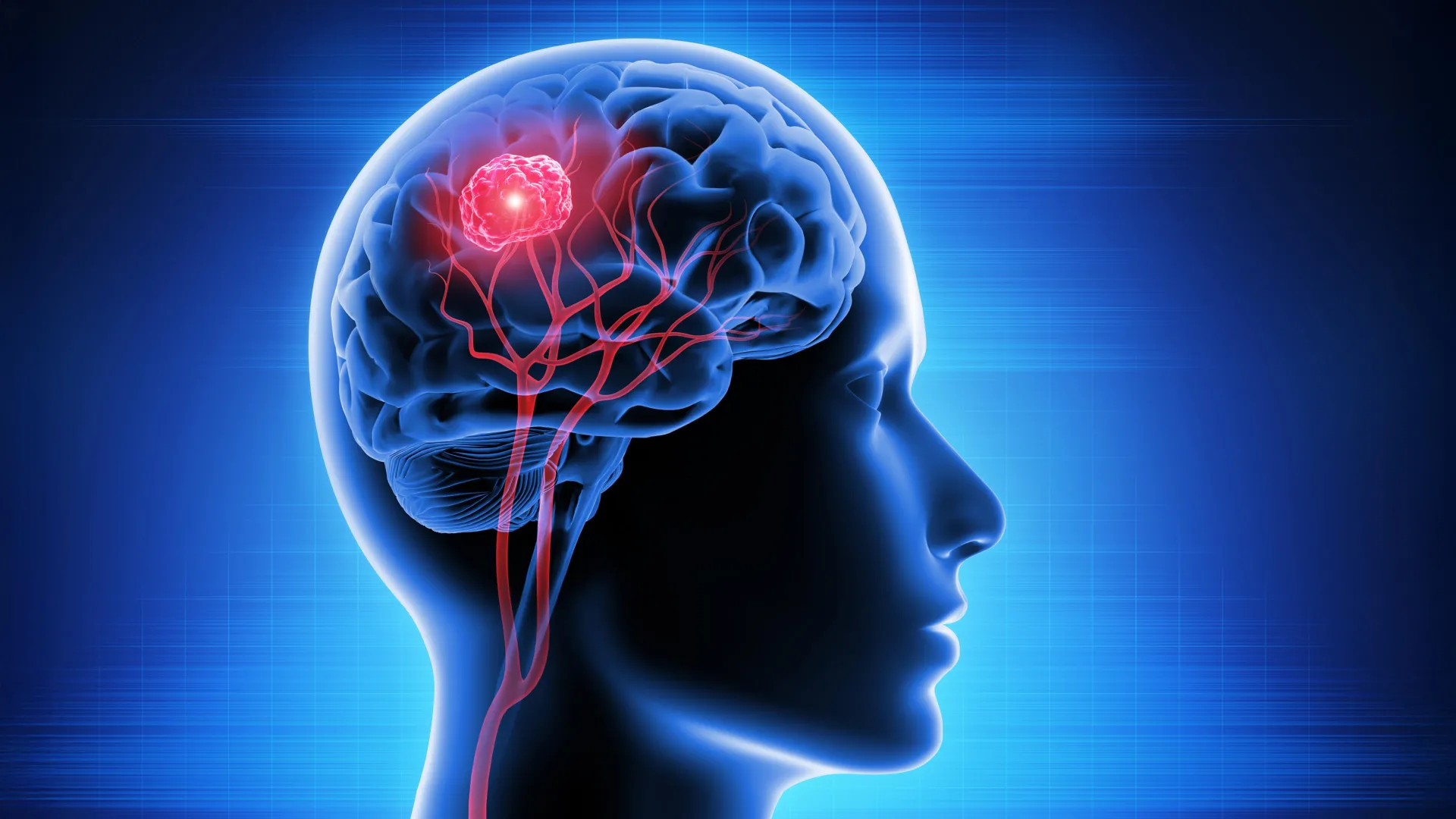
A groundbreaking study recently published in the scientific journal Oncoscience has unveiled a novel therapeutic avenue for glioblastoma, a notoriously aggressive and challenging form of brain cancer. The research, detailed in a paper titled "Selective blood-brain barrier penetration and tumor targeting of nitrosylcobalamin in glioblastoma: Pharmacokinetics, tissue distribution, and synergistic activity with trail and temozolomide," meticulously investigates the potential of a modified vitamin B12 compound to overcome critical treatment hurdles. Spearheading this pioneering investigation were Joseph A. Bauer, affiliated with Nitric Oxide Services, LLC, and the Cleveland Clinic Foundation Taussig Cancer Center, who served as the lead and corresponding author. Their team’s focus centered on nitrosylcobalamin (NO-Cbl), a derivative of vitamin B12 engineered to release nitric oxide. The primary objective was to ascertain whether this compound could effectively breach the formidable blood-brain barrier (BBB) and subsequently concentrate its therapeutic effects specifically within glioblastoma tumors, sparing healthy brain tissue.
Glioblastoma multiforme (GBM) stands as one of the most formidable adversaries in neuro-oncology, characterized by its rapid proliferation and profound resistance to conventional therapeutic interventions. Despite the application of established treatments, including surgical resection, radiotherapy, and chemotherapy, the prognosis for patients diagnosed with GBM remains grim, with median survival rates often falling below 15 months. A significant impediment to effective treatment is the physiological barrier known as the blood-brain barrier, a highly selective vascular interface that rigorously controls the passage of substances from the bloodstream into the central nervous system, thereby limiting the accessibility of many promising drug candidates to brain tumors.
The investigative process employed by the research team was multifaceted, encompassing a rigorous battery of experimental approaches designed to comprehensively evaluate the therapeutic potential of NO-Cbl. These methods included assessing the compound’s direct impact on a diverse panel of cancer cell lines, specifically the NCI-60 human tumor cell line collection, to gauge its broad antitumor activity. Furthermore, detailed pharmacokinetic studies were conducted in an animal model of glioblastoma, utilizing rats bearing induced tumors, to meticulously track the absorption, distribution, metabolism, and excretion of NO-Cbl. Crucially, the researchers also explored the compound’s efficacy when administered in conjunction with established glioblastoma treatment modalities, employing human glioblastoma cell lines for these combination studies.
The initial findings from these extensive tests were encouraging, revealing that NO-Cbl demonstrated inherent antitumor properties across a wide spectrum of cancer types. Notably, tumor cells with origins in the central nervous system exhibited a moderate yet significant degree of sensitivity to the compound, hinting at its specific relevance for brain cancers.
One of the most compelling revelations from the study emerged from the animal experiments, providing critical evidence regarding NO-Cbl’s ability to navigate the complex terrain of the central nervous system. Upon systemic administration, NO-Cbl demonstrated a remarkable capacity to traverse the blood-brain barrier, subsequently accumulating preferentially within the distinct microenvironment of glioblastoma tumors. This selective accumulation is a pivotal characteristic, suggesting that the therapeutic agent could deliver its payload directly to the diseased tissue, minimizing off-target effects on healthy brain cells.
Further analysis of the experimental data provided compelling evidence of NO-Cbl’s sustained presence and activity within the tumor microenvironment. Nitrate levels, a key indicator of NO-Cbl’s metabolic activity, remained elevated in tumor tissue for a considerable duration, persisting for at least 24 hours post-treatment. In stark contrast, nitrate concentrations in healthy tissues exhibited a much more rapid decline, indicating a differential retention of the compound within the tumor. This pharmacokinetic profile strongly suggests that NO-Cbl is not only retained within glioblastoma tumors but also actively releases nitric oxide directly into the tumor’s cellular milieu, potentially exerting its cytotoxic effects over an extended period. Visual representations of these findings, presented as Figures 2 and 3 in the study, further underscore this selective accumulation, showcasing sustained levels of nitrate and cobalamin-related metabolites within brain tumor tissue when compared to other organs, thereby reinforcing the hypothesis of targeted delivery to glioblastomas.
Beyond its inherent therapeutic capabilities, the research team also delved into the potential of NO-Cbl to augment the efficacy of existing glioblastoma treatment regimens. In controlled laboratory investigations utilizing well-characterized human glioblastoma cell lines, namely U87 and D54, the co-administration of NO-Cbl with either TRAIL (Tumor Necrosis Factor-Related Apoptosis-Inducing Ligand), a protein that induces programmed cell death, or temozolomide, a standard chemotherapeutic agent for GBM, resulted in a significantly more pronounced suppression of tumor cell proliferation than could be achieved by either NO-Cbl, TRAIL, or temozolomide individually. This observation strongly suggests a synergistic interaction, where the combined effect of the treatments is greater than the sum of their individual impacts, a critical finding for enhancing therapeutic outcomes. Rigorous additional analyses confirmed these synergistic interactions across a range of tested concentrations, bolstering the confidence in this combined therapeutic approach. The authors themselves summarized these pivotal findings, stating, "This pilot study demonstrates that NO-Cbl crosses the BBB, accumulates selectively in brain tumor tissue, and synergizes with established and experimental glioblastoma therapies."
The potential of NO-Cbl to address some of the underlying biological mechanisms that contribute to treatment resistance in glioblastoma tumors is another significant aspect highlighted by the study’s authors. Glioblastoma cells are notorious for their ability to evade therapeutic interventions through various adaptive strategies. Previous research, cited within the current paper, has established that NO-Cbl possesses the capacity to induce apoptosis, or programmed cell death, by activating key signaling pathways such as caspase-8. Furthermore, it has been shown to suppress survival signaling pathways like NF-κB, which are often overactive in cancer cells, and to enhance the signaling of TRAIL receptors through a process called S-nitrosylation. Collectively, these molecular actions could render glioblastoma cells more vulnerable to therapeutic agents, potentially re-sensitizing tumors that have previously developed resistance to treatments like temozolomide.
While the early findings are exceptionally promising, the authors of the study prudently emphasize that these results stem from a preliminary translational investigation. Consequently, extensive further research will be indispensable before this novel approach can be considered for translation into clinical applications for patients. Future research endeavors are anticipated to concentrate on several key areas, including validating these findings in more complex in vivo models that more closely mimic the human brain environment (orthotopic validation), meticulously optimizing dosage regimens to maximize therapeutic benefit while minimizing potential toxicity, extending the duration of observation to track nitric oxide activity over longer periods, and thoroughly investigating the underlying molecular mechanisms of action in an expanded array of central nervous system tumor models. In summation, the presented findings offer compelling early-stage evidence that a cobalamin-based nitric oxide donor, such as NO-Cbl, could emerge as a promising new strategy for combating glioblastoma. By effectively addressing the critical challenges of blood-brain barrier penetration, achieving selective tumor targeting, and demonstrating synergistic activity with established therapeutic modalities, NO-Cbl holds the potential to revolutionize drug delivery and overcome treatment resistance in one of the most formidable and devastating cancers encountered in neuro-oncology.
Related posts:

Related News