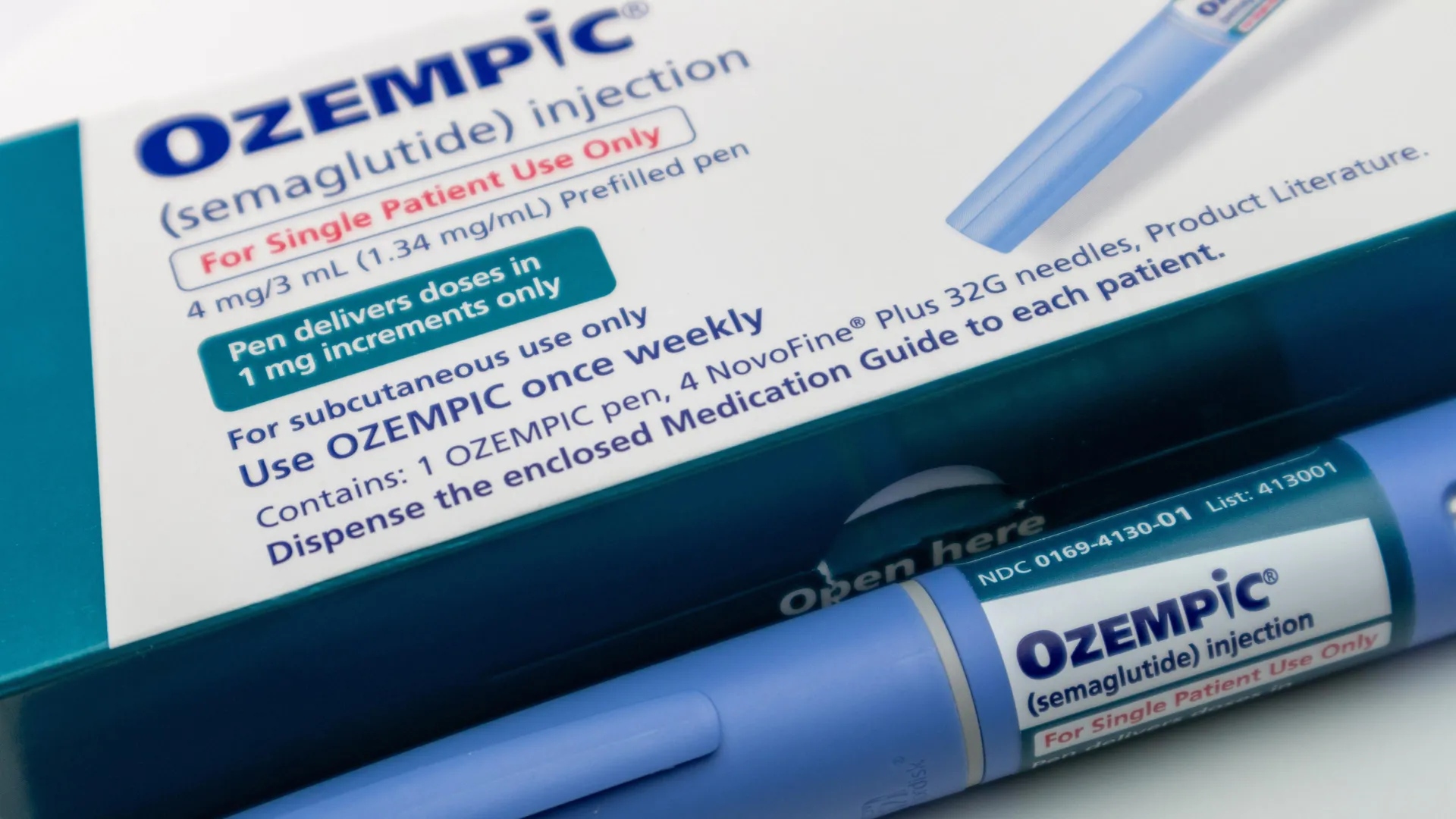
The advent of Glucagon-Like Peptide-1 Receptor Agonists (GLP-1RAs), particularly semaglutide under brand names like Ozempic and Wegovy, has marked a significant paradigm shift in the management of type 2 diabetes and, more recently, chronic weight management. While these medications have offered transformative therapeutic benefits for millions, their rapid integration into clinical practice and the broader public consciousness has inadvertently unveiled a concerning trend: a substantial surge in calls to poison control centers nationwide concerning these specific compounds. This phenomenon has prompted critical examination, suggesting a direct correlation between the expanded utilization of semaglutide and a rise in medication-related incidents, primarily stemming from dosing errors.
Originally developed to aid individuals with type 2 diabetes in managing blood glucose levels, GLP-1RAs function by mimicking the natural hormone GLP-1, which plays a crucial role in regulating appetite, slowing gastric emptying, and stimulating insulin release in a glucose-dependent manner. This multifaceted mechanism made them highly effective for glycemic control. However, it was the United States Food and Drug Administration’s (FDA) approval of semaglutide for chronic weight management in mid-2021 that truly propelled these drugs into widespread public discourse and dramatically expanded their user base beyond the diabetic population. The subsequent surge in demand was unprecedented, quickly establishing semaglutide as a household name and a focal point of discussion in healthcare, media, and social circles.
Amidst this burgeoning popularity, an unsettling pattern began to emerge in national public health data. Poison control centers across the United States reported an increasing volume of calls related to GLP-1RAs. This escalating trend piqued the interest of researchers, who sought to ascertain whether this rise was merely coincidental or a direct consequence of the drug’s broadened approval and subsequent exponential growth in prescriptions. The sheer magnitude of the increase, particularly concerning semaglutide, suggested a more profound underlying issue than random chance.
This critical inquiry was championed by a collaborative research team, spearheaded by Jordan Miller, then an undergraduate student at the University of Texas at San Antonio (UTSA). Driven by intellectual curiosity and a desire to contribute to public health understanding, Miller partnered with David Han, a distinguished Romo Endowed Professor in the UTSA Department of Statistics & Data Science and her research mentor. Their suspicion was that the escalating call volume was intricately linked to the misadministration or mishandling of semaglutide, directly attributable to its expanded indication for weight management. To investigate this hypothesis, they joined forces with clinical experts: Robert S. Miller, Pharm.D., a senior specialist in poison information, and Shawn M. Varney, MD, a professor in the Department of Emergency Medicine and medical director of the South Texas Poison Center, both affiliated with the Long School of Medicine. This interdisciplinary collaboration allowed for a robust analysis of national poison control data, providing a comprehensive overview of the incidents. The team’s diligence and the significance of their findings were later recognized when Miller presented the research at UTSA’s Los Datos conference, where the project secured top honors.
The analytical findings were stark and unequivocal. Prior to 2021, the annual volume of GLP-1RA-related cases handled by poison control centers across the nation typically ranged between 1,000 and 1,500. This baseline represented a relatively stable level of incidents associated with the drug’s use primarily for diabetes. However, the period following the FDA’s mid-2021 approval for weight management marked a dramatic inflection point. The number of calls nearly doubled almost immediately, and by 2023, poison centers documented an astonishing total exceeding 8,000 GLP-1RA-related calls. What made these statistics particularly compelling was not just the overall increase, but semaglutide’s overwhelming prominence within this category, significantly overshadowing other GLP-1RA medications. While an increase in adverse events might be anticipated with any medication seeing expanded use, the sheer scale and the disproportionate representation of semaglutide were striking, underscoring a specific public health challenge associated with this particular drug.
Crucially, the research revealed that the vast majority of these incidents were not cases of intentional misuse or abuse, but rather inadvertent errors in medication administration. These were primarily accidental overdoses or therapeutic mistakes, highlighting a critical gap in patient education and medication management protocols rather than an issue of substance diversion. This distinction is vital for framing appropriate public health responses.
The most prevalent errors identified in the data revolved around two core aspects of semaglutide’s prescribed regimen. Firstly, patients were frequently found to be administering the medication daily instead of the recommended once-weekly schedule. Semaglutide is formulated for a prolonged action profile, necessitating a single weekly injection. Daily administration, therefore, leads to a cumulative drug exposure that is seven times higher than intended, significantly increasing the risk of adverse effects. Secondly, a substantial number of incidents involved individuals initiating treatment directly with a high dose, bypassing the crucial gradual dose escalation phase. The standard clinical protocol for semaglutide involves starting with a very low dose, which is then progressively increased over several weeks. This titration schedule is designed to allow the body to acclimate to the medication, thereby mitigating common gastrointestinal side effects such as nausea, vomiting, and diarrhea. Bypassing this step by immediately commencing with a maximal dose can overwhelm the patient’s system, leading to severe and potentially dangerous reactions. The implications of these errors, as Jordan Miller observed, are profound, akin to accelerating a vehicle to its top speed instantly without gradual build-up, with predictable negative consequences for the user’s physiological system.
Professor Han emphasized the broader significance of this research, illustrating how the methodologies of data science transcend mere statistical computation to generate meaningful public health insights. This project served as a powerful testament to the capacity of analytics, machine learning, and artificial intelligence to transform raw data from various fields into actionable intelligence, guiding informed public health interventions. Without this focus on practical impact and human well-being, Han noted, data analysis risks becoming a hollow exercise in numbers without tangible benefit. The study quantified the real-world impact of these medications on public health, moving beyond theoretical discussions to present concrete evidence of the challenges posed by their widespread adoption.
The findings underscore an urgent need for enhanced patient education at every stage of the prescribing and dispensing process. From the initial consultation with the prescribing physician to the final interaction at the pharmacy counter, there are critical opportunities to reinforce correct administration practices. Clear, concise, and perhaps visually aided instructions on injection frequency (weekly versus daily) and the importance of adhering to the titration schedule are paramount. Pharmacists, in particular, play a vital role as a final checkpoint, capable of identifying potential misunderstandings and providing essential counseling. Better educational strategies could significantly reduce the incidence of these preventable medication errors, thereby safeguarding patient health and reducing the burden on emergency services and poison control centers. Furthermore, as the long-term safety profile and precise physiological behaviors of these drugs continue to be elucidated, ongoing public education remains crucial.
The journey of this research, from an undergraduate’s initiative to a published scientific finding, also highlights the value of proactive engagement in academia. Jordan Miller’s decision to seek research opportunities, a step she nearly overlooked, exemplifies how individual curiosity, when met with supportive mentorship, can lead to significant contributions. As she reflected, the act of simply asking professors about their work or potential research assistant roles carries no downside and can open doors to invaluable experiences and discoveries.
The profound implications of this study have garnered significant recognition within the scientific community. The research was prominently featured as the cover story in Significance, the esteemed flagship magazine co-published by the Royal Statistical Society and the American Statistical Association, highlighting its statistical rigor and societal relevance. Additionally, the findings were peer-reviewed and published in the Journal of Medical Toxicology, the official publication of the American College of Medical Toxicology, solidifying its standing as a critical contribution to medical and public health literature. This dual recognition underscores the study’s importance in both data science methodology and its direct application to patient safety and public health. As the medical community continues to embrace novel and potent therapies, this research serves as a vital reminder of the ongoing need for robust pharmacovigilance and comprehensive patient education to ensure that therapeutic benefits are realized without unintended public health consequences.
About the Author