Adolescent Cannabis Engagement Correlates with Elevated Likelihood of Severe Psychiatric Conditions in Early Adulthood.
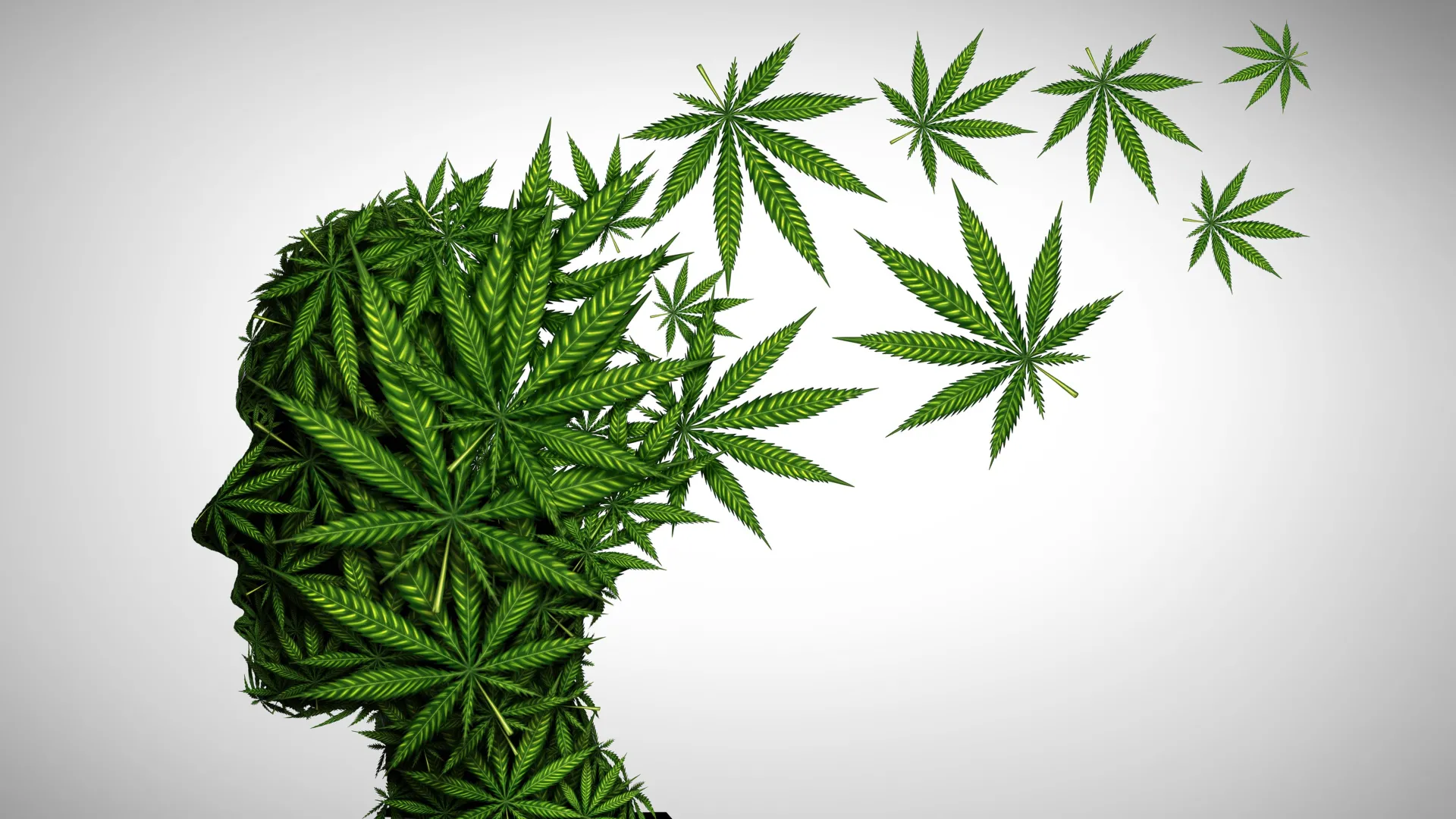
A substantial new investigation, meticulously detailed in the latest issue of JAMA Health Forum, has illuminated a significant association between cannabis consumption during the formative adolescent years and a demonstrably increased propensity for developing serious mental health disorders by the time individuals reach young adulthood. This comprehensive longitudinal study tracked the health trajectories of nearly half a million adolescents, specifically focusing on a cohort aged between 13 and 17 years, and followed them through to the age of 26. The findings reveal a pronounced elevated risk for the onset of psychotic disorders, bipolar disorder, major depressive episodes, and anxiety disorders among teenagers who reported having used cannabis within the preceding year. The risk for both psychotic and bipolar disorders, in particular, was found to be approximately doubled in this group.
The research initiative was a collaborative endeavor involving distinguished institutions such as Kaiser Permanente, the Public Health Institute’s "Getting it Right from the Start" program, the University of California, San Francisco, and the University of Southern California. Financial support for this critical undertaking was provided by the National Institute on Drug Abuse, specifically through grant R01DA0531920. This extensive data collection and analysis spanned from 2016 to 2023, leveraging electronic health records meticulously gathered during routine pediatric examinations. A crucial element of the study’s design was its prospective nature, allowing researchers to observe participants over an extended period. This temporal tracking revealed that the reported instances of cannabis use typically predated the formal diagnosis of a psychiatric disorder by an average interval ranging from 1.7 to 2.3 years. Such a temporal sequence strengthens the argument that exposure to cannabis during adolescence may indeed play a causal or contributing role in the subsequent emergence of mental health challenges.
Dr. Lynn Silver, a program director at the Public Health Institute’s "Getting it Right from the Start" and a co-author of the study, emphasized the critical implications of these findings, particularly in light of the increasing potency and aggressive marketing of cannabis products. She stated that the study underscores a doubling of the risk for incident psychotic and bipolar disorders among adolescents engaging with cannabis, highlighting these as two of the most severe mental health conditions. Dr. Silver asserted that the mounting body of evidence strongly suggests an urgent need for a robust public health strategy. This strategy, she proposed, should encompass measures to reduce product potency, place a paramount emphasis on prevention initiatives, curtail youth exposure and marketing tactics, and fundamentally reframe the perception of adolescent cannabis use from a benign behavior to a serious health concern demanding significant attention and intervention.
Despite ongoing concerns and emerging research, cannabis continues to be the most prevalent illicit substance utilized by adolescents in the United States. Data derived from the "Monitoring the Future" study consistently indicate that cannabis use escalates progressively with age. This trend is evident in the reported usage rates, which rise from approximately 8% among eighth-grade students to a significant 26% among twelfth graders. More recent data from the 2024 National Survey on Drug Use and Health further corroborate this, revealing that over 10% of American teenagers, spanning the age range of 12 to 17, reported having used cannabis within the preceding year. Concurrently, the potency of cannabis products available in the market has seen a dramatic increase. In California, for instance, the average tetrahydrocannabinol (THC) levels in cannabis flower now surpass 20%, a substantial leap compared to previous decades. Furthermore, certain cannabis concentrates are documented to contain THC levels exceeding a staggering 95%.
A notable advancement in this research is its departure from the narrow focus of earlier studies, which often concentrated exclusively on patterns of heavy cannabis use or diagnosed cannabis use disorder. This current investigation adopted a more expansive approach, considering any self-reported instance of cannabis use within the past year, irrespective of frequency or intensity. The data utilized for this broader analysis were systematically gathered through universal screening protocols integrated into standard pediatric healthcare practices. Dr. Kelly Young-Wolff, the lead author of the study and a senior research scientist at the Kaiser Permanente Division of Research, highlighted the significance of these broader findings. She explained that even after statistically controlling for pre-existing mental health conditions and the use of other substances, adolescents who reported any cannabis use exhibited a substantially elevated risk of developing psychiatric disorders, with a particular emphasis on psychotic and bipolar disorders. Dr. Young-Wolff underscored that this study significantly contributes to the growing body of scientific evidence suggesting that cannabis use during the adolescent period can precipitate potentially deleterious and long-lasting adverse health consequences. She stressed the imperative for parents and their children to have access to accurate, trustworthy, and evidence-based information regarding the risks associated with adolescent cannabis engagement.
Further analysis within the study revealed concerning patterns related to socioeconomic factors and access to healthcare. The researchers observed that cannabis use was disproportionately more prevalent among adolescents enrolled in Medicaid and those residing in neighborhoods characterized by greater socioeconomic disadvantage. The authors posit that these demographic correlations raise significant concerns, suggesting that the continued expansion of the commercial cannabis industry could exacerbate existing inequities in mental health outcomes, potentially widening the gap in access to care and the prevalence of mental health challenges among vulnerable populations. This intersectionality of cannabis use, socioeconomic status, and mental health warrants further in-depth investigation and targeted public health interventions.
Related posts:

Related News