Microbial Ecosystem in the Gut Offers New Insights into Human Biological Aging Rates.
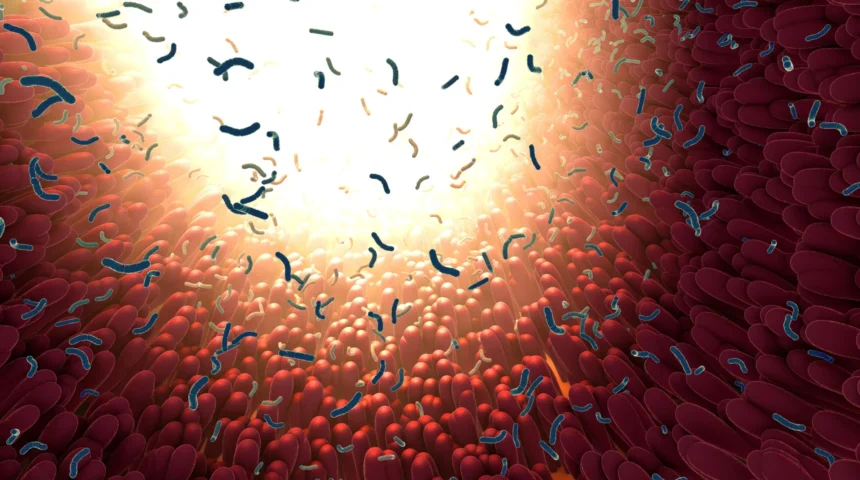
A groundbreaking investigation has unveiled a compelling relationship between the intricate bacterial communities residing within the human digestive system and the dynamic pace at which an individual’s body ages biologically. Researchers at the University of Hawaiʻi at Mānoa have identified specific microbial patterns in the gut that appear to correlate with either accelerated or decelerated biological aging processes, offering a novel perspective on the mechanisms influencing longevity and health span. This discovery moves beyond the simple passage of chronological time, delving into the molecular underpinnings that dictate the physiological age of an organism.
The study, which was meticulously documented in the scientific journal Scientific Reports, indicated that the unique compositions of gut bacterial populations could account for approximately 15% of the observed variability in biological aging rates among the participants. This significant finding underscores the potential of the gut microbiome – the vast and diverse collection of microorganisms inhabiting the gastrointestinal tract – as a crucial indicator and perhaps even a modulator of aging at a fundamental cellular and molecular level. The concept of biological aging diverges markedly from chronological age, which merely tallies the number of years a person has lived. Instead, biological age is a measure of the cumulative physiological wear and tear on the body, reflecting how efficiently its systems are functioning and regenerating.
Dr. Alika K. Maunakea, a distinguished senior author affiliated with the UH Mānoa John A. Burns School of Medicine, emphasized the profound implications of these findings. "This research significantly enhances our comprehension of the complex interplay between the gut microbiome and the multifaceted process of biological aging," Dr. Maunakea stated. "Our analysis revealed robust associations between distinct microbial configurations within the gut and quantifiable molecular markers of aging, relationships that persisted even when accounting for a person’s actual chronological age. Such insights pave critical new avenues for exploring how biological systems, which are amenable to modification, can influence an individual’s long-term health trajectories and ultimate lifespan." The ability to identify such correlations, independent of chronological age, highlights the potential for these microbial signatures to act as early warning systems or even targets for intervention.
To meticulously probe the intricate connection between enteric bacteria and the aging process, the research team collected and analyzed biological samples from a cohort of 123 adult volunteers, encompassing a broad spectrum of ages. Specifically, stool samples were gathered to identify the bacterial species present in each participant’s gut, while blood samples were utilized to derive advanced molecular markers that serve as proxies for the body’s rate of biological aging. These sophisticated biological measurements provide a more nuanced assessment of an individual’s health status than chronological age alone, focusing on the rate at which age-related changes are manifesting throughout the body’s tissues and organs. The methodology employed cutting-edge techniques to sequence microbial DNA and analyze blood-based epigenetic clocks, which are biochemical tests that estimate biological age by measuring DNA methylation levels.
A particularly compelling aspect of the study was the observed association between the architecture of the gut microbiome and DunedinPACE. DunedinPACE, an acronym for "Dunedin PoAm (Pace of Aging Methylomic) Clock," represents a highly advanced and validated biomarker designed to quantify the actual pace of biological aging in individuals. This metric offers a dynamic measure of how quickly an individual’s body is accumulating age-related damage and losing functional capacity, rather than just a static snapshot of their current biological age. The strong correlation found between microbial composition and DunedinPACE provides substantial evidence that the gut microbiome is not merely an incidental bystander but a potentially active participant in shaping the trajectory of human aging.
Among the myriad bacterial species identified, certain microbes demonstrated particularly potent associations with either slower or faster aging rates. Bifidobacterium adolescentis, a well-known commensal bacterium often associated with healthy gut function and found in higher abundances in younger individuals, emerged as one of the species most strongly linked to a slower biological aging pace. Conversely, Succinivibrio dextrinosolvens, a less common bacterium whose physiological role is still being actively investigated, exhibited one of the most pronounced associations with accelerated biological aging. These stark contrasts suggest that the presence or absence, and the relative abundance, of particular bacterial populations within the gut could offer invaluable predictive information regarding how rapidly an individual’s body is undergoing the aging process. The implications of these specific microbial indicators are profound, potentially opening doors for future diagnostics and personalized therapeutic strategies.
Braden P. Kunihiro, the lead author of the study, underscored how this discovery contributes significantly to the burgeoning body of evidence pointing to the gut microbiome’s pivotal role in precision health research. Precision health, an evolving paradigm in medicine, aims to tailor preventative and therapeutic strategies to individual patients based on their unique genetic makeup, environment, and lifestyle. The dynamic nature of the gut microbiome, unlike fixed genetic predispositions, renders it a particularly intriguing subject for scientists dedicated to understanding and promoting healthy aging. "The gut microbiome is remarkably adaptive and responds readily to a multitude of daily influences, including dietary habits, lifestyle choices, and various environmental exposures," Kunihiro explained. "Our findings suggest that the microbiome may encapsulate vital aspects of an individual’s biological resilience and their aging trajectory in ways that could ultimately inform the development of future wellness initiatives and comprehensive healthy aging strategies."
A crucial and often overlooked aspect of this research was the deliberate inclusion of Native Hawaiian and Pacific Islander participants. These populations have historically been underrepresented in biomedical studies, particularly those focused on aging and gut microorganisms. The research team’s commitment to diversity in their participant cohort is vital, as it ensures that scientific findings are broadly applicable and do not inadvertently exacerbate existing health disparities. Co-author Ruben Juarez highlighted the broader societal implications of such inclusive research. He elucidated that the participation of these specific populations could significantly aid scientists in investigating how complex social circumstances and environmental factors exert enduring biological effects over the course of an individual’s entire life. "The microbiome acts as a fascinating nexus where individual behavior, environmental determinants, and intrinsic human biology converge," Juarez remarked. "Studies such as this one are instrumental in illuminating potential biochemical pathways through which lived experiences and broader social determinants of health ultimately influence long-term health outcomes and overall well-being." This inclusion not only enriches the scientific validity of the study but also addresses critical ethical considerations in health research.
While these findings reveal a meaningful and statistically significant relationship between the composition of gut bacteria and the speed of biological aging, the researchers were careful to emphasize a crucial caveat: the study, at this stage, does not establish a definitive cause-and-effect relationship. In simpler terms, merely observing certain beneficial microbes in individuals who exhibit slower biological aging does not conclusively prove that these specific bacteria are directly responsible for decelerating the aging process. The correlation could be bidirectional, or influenced by confounding factors. It is plausible that a healthier overall lifestyle or a robust underlying physiology could simultaneously foster a beneficial gut microbiome and contribute to slower aging.
Therefore, future research endeavors will be indispensable to definitively ascertain whether deliberate alterations to the gut microbiome can indeed exert a causal influence on biological aging or contribute to an improvement in long-term health outcomes. These subsequent studies might involve controlled interventions, such as specific dietary regimens, targeted probiotic or prebiotic supplementation, or even more advanced fecal microbiota transplantation techniques, to observe their direct impact on biological aging markers. Despite the need for further validation regarding causality, the current findings offer a highly promising initial framework for exploring how the trillions of microorganisms inhabiting our bodies interact with and potentially modulate the complex processes of aging. Furthermore, they hint at the exciting possibility that these microbial signatures could eventually guide the development of more personalized and effective approaches to fostering healthy aging. "This marks a crucial foundational stride toward unraveling the intricate relationship between the gut microbiome and the concept of healthy aging," Dr. Maunakea reiterated. "Subsequent investigations will be pivotal in elucidating the precise biological mechanisms involved and determining whether these identified microbial signatures can eventually be integrated into precision medicine strategies aimed at promoting sustained health and overall wellness throughout the lifespan." The journey from correlation to causation is often long, but the current insights provide a compelling roadmap for future exploration in the quest for enhanced human health and longevity.
Related posts:

Related News