Riyadh Summit Propels Global Health Security: Saudi Arabia and WHO Mobilize Extensive Funding for Disease Eradication and Crisis Response.
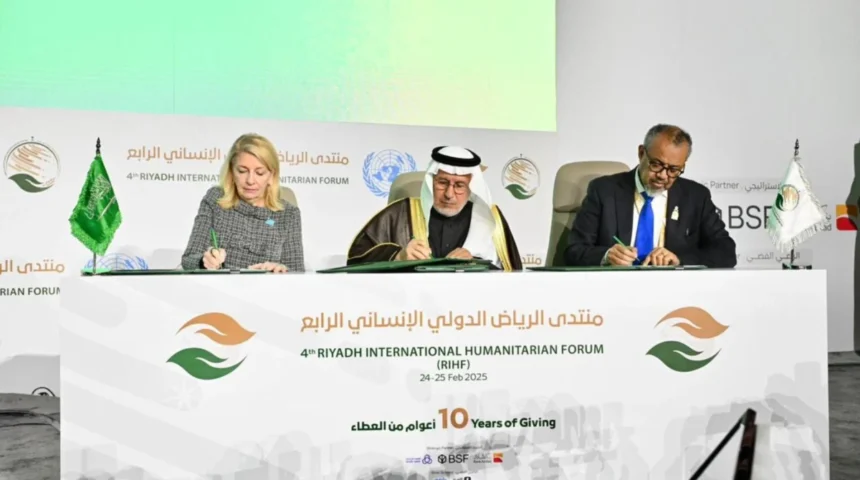
The global humanitarian landscape, increasingly strained by protracted conflicts, climate-induced disasters, and emergent health crises, witnessed a pivotal moment in February 2025 as the Riyadh International Humanitarian Forum convened a diverse assembly of international stakeholders. This significant gathering, held on February 24th and 25th, served as a crucial platform for addressing the most pressing health and humanitarian challenges facing vulnerable populations worldwide. Organized against the backdrop of the King Salman Humanitarian Aid and Relief Centre’s (KSRelief) tenth anniversary, the forum underscored a renewed commitment from global partners to foster health diplomacy, safeguard the well-being and dignity of those impacted by crises, and ensure the security of aid workers operating in precarious environments. The discussions, pledges, and agreements forged in Riyadh are anticipated to have far-reaching implications for emergency response and long-term recovery efforts in regions grappling with severe instability.
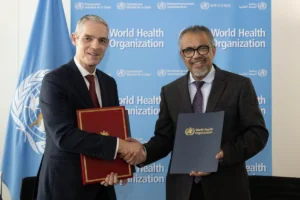
At the heart of the forum’s outcomes were landmark financial commitments and expanded collaborative frameworks, particularly between the World Health Organization (WHO) and KSRelief. These strategic alliances are designed to channel critical resources towards areas of acute need, specifically targeting disease control and essential healthcare provision for displaced communities. The scale and scope of these new agreements reflect a growing recognition of the interconnectedness of global health, security, and humanitarian action.
One of the most substantial pledges reiterated at the forum concerned the Global Polio Eradication Initiative (GPEI), a monumental international public health effort aiming to eliminate poliomyelitis worldwide. The Kingdom of Saudi Arabia reaffirmed its profound commitment of US$ 500 million to this critical endeavor, a pledge initially announced in April 2024. This half-billion-dollar contribution represents a significant boost to the GPEI’s ambitious goals. To operationalize this commitment, two distinct funding agreements were formalized: US$ 300 million was allocated to the World Health Organization, while US$ 200 million was designated for UNICEF. These funds are vital for sustaining the extensive vaccination campaigns necessary to reach an estimated 370 million children annually, a target crucial for achieving the final stages of global polio eradication.

The GPEI, established in 1988, has made remarkable progress, reducing polio cases by over 99% globally. However, the virus persists in a few endemic countries and resurfaces in areas where vaccination coverage is compromised, often due to conflict, population displacement, or vaccine hesitancy. The renewed Saudi pledge is specifically aimed at fortifying eradication efforts in some of the most challenging regions, including Pakistan, Afghanistan, and the Gaza Strip. In these conflict-affected territories, the intricate interplay of insecurity, limited access to communities, and damaged health infrastructure creates fertile ground for the poliovirus to circulate. For instance, in Afghanistan and Pakistan, the presence of circulating vaccine-derived poliovirus (cVDPV) strains and occasional wild poliovirus cases necessitates continuous, robust immunization drives and vigilant surveillance. Similarly, in Gaza, ongoing hostilities and humanitarian blockades have severely disrupted healthcare services, leaving children particularly vulnerable to preventable diseases like polio. The funding from Saudi Arabia is expected to bolster vaccine procurement, strengthen cold chain logistics, support front-line health workers, and enhance community engagement strategies crucial for ensuring that every child receives the necessary immunizations.
Beyond the global polio initiative, targeted interventions for specific regional health crises were also a central focus. Yemen, a nation ravaged by years of conflict, continues to face one of the world’s most severe humanitarian emergencies, characterized by widespread food insecurity, a collapsed healthcare system, and a high prevalence of infectious diseases. The forum saw the signing of new agreements between WHO and KSRelief specifically designed to tackle two major public health threats in Yemen: malaria and cholera. A substantial allocation of US$ 12 million was committed to enhancing malaria control programs. This funding is crucial for distributing insecticide-treated bed nets, implementing indoor residual spraying campaigns, improving diagnostic capabilities, and ensuring access to effective antimalarial treatments. Malaria, a preventable and treatable disease, has seen a resurgence in Yemen due to displacement, damaged sanitation infrastructure, and limited access to healthcare, disproportionately affecting children and pregnant women.
Complementing the malaria efforts, an additional US$ 2.1 million was pledged to expand cholera treatment initiatives across Yemen. Cholera, an acute diarrheal infection caused by contaminated food or water, thrives in environments with poor sanitation and limited access to clean water, conditions tragically prevalent in Yemen. This funding will support the establishment and operation of cholera treatment centers, the provision of oral rehydration salts and intravenous fluids, and community-level hygiene promotion campaigns. The aim is not only to treat existing cases but also to implement preventative measures to break the cycle of transmission and mitigate future outbreaks. The coordinated approach to these two diseases reflects an understanding of the complex epidemiological challenges in Yemen and the necessity of comprehensive public health interventions.
Another critical agreement addresses the escalating humanitarian crisis stemming from the conflict in Sudan, which has triggered a massive displacement of populations, both internally and across borders. Thousands of Sudanese refugees have sought asylum in neighboring countries, including Egypt, placing immense pressure on host communities and their healthcare systems. Recognizing the urgent medical needs of these displaced individuals, KSRelief and the WHO Egypt Country Office formalized an agreement worth US$ 3.6 million. This funding is specifically earmarked to provide life-sustaining dialysis treatment for Sudanese refugees in Egypt.
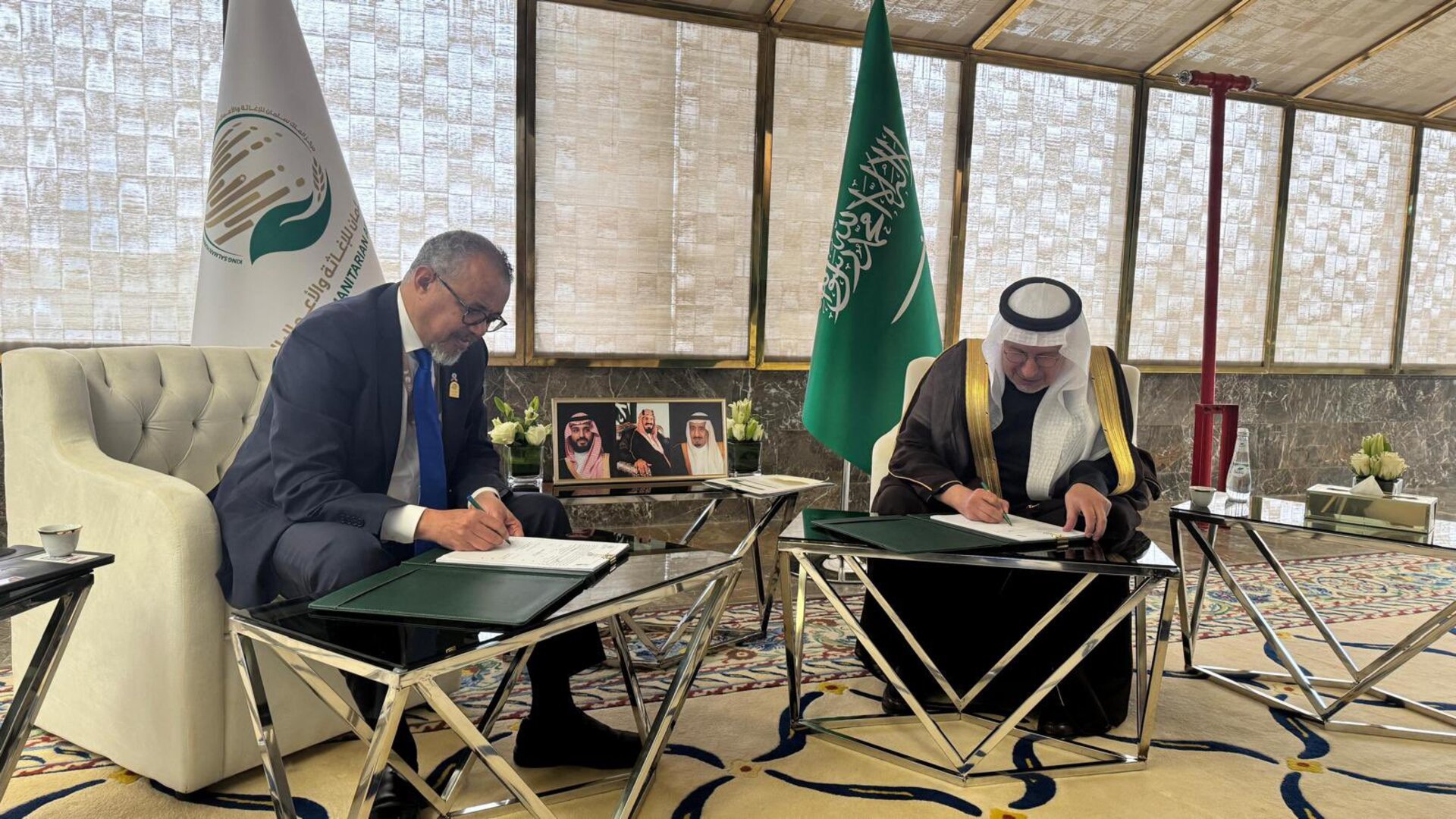
The conflict in Sudan, which erupted in April 2023, has devastated healthcare infrastructure, making access to specialized medical care, such as dialysis, virtually impossible for many chronic kidney disease patients. For refugees in Egypt, accessing such treatments can be prohibitively expensive or simply unavailable due to overwhelmed local services. The US$ 3.6 million initiative will facilitate access to these vital services, potentially through partnerships with existing Egyptian medical facilities or the establishment of dedicated refugee health clinics. This targeted support underscores the often-overlooked chronic health needs within refugee populations, where acute emergency care is frequently prioritized, but long-term conditions can be equally devastating without sustained intervention.
The Riyadh International Humanitarian Forum 2025 thus emerged as a testament to the enduring power of international collaboration in the face of escalating global crises. The collective efforts and financial commitments made during the event highlight the critical partnership between WHO and KSRelief, alongside other international actors, in confronting complex humanitarian health challenges. These agreements are not merely financial transactions; they represent a strategic investment in human lives, aiming to combat devastating diseases like malaria, cholera, and polio, and to ensure essential healthcare access for populations rendered vulnerable by conflict and displacement.
Furthermore, the forum served to emphatically reaffirm the Kingdom of Saudi Arabia’s increasingly prominent role in global humanitarian endeavors. Through KSRelief, Saudi Arabia has solidified its position as a significant contributor to international aid and relief efforts, demonstrating a proactive leadership in addressing some of the world’s most urgent health crises. This engagement extends beyond financial contributions, encompassing advocacy for health diplomacy and fostering multilateral solutions to shared global challenges. The outcomes of the Riyadh forum offer a beacon of hope, illustrating how concerted international action can alleviate suffering and build more resilient health systems, even in the most dire circumstances. The commitment to sustained partnerships and comprehensive interventions underscores a collective resolve to improve health outcomes for millions, laying the groundwork for a more secure and equitable global health future.

Related News