France Reinforces WHO’s Critical Global Health Agenda with Major Investment
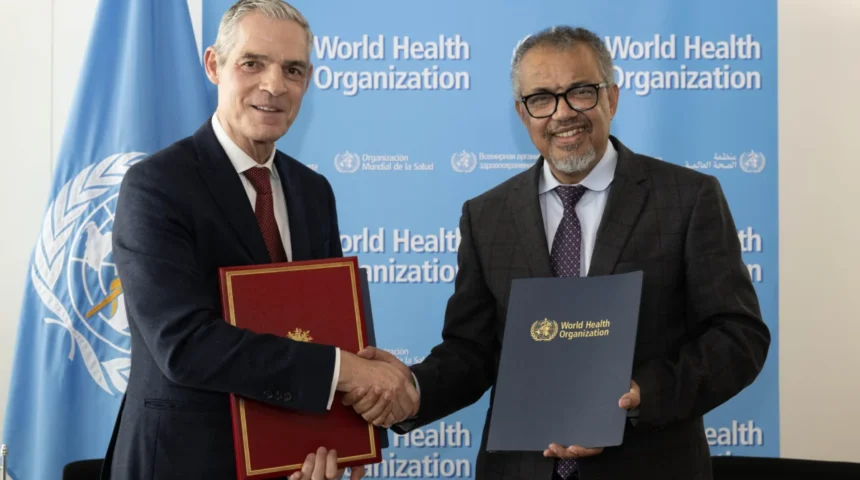
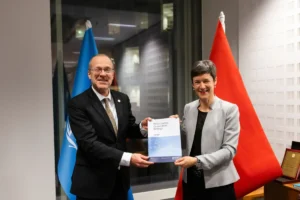
Geneva witnessed a significant reaffirmation of international cooperation on October 17, 2024, as high-level representatives from France and the World Health Organization convened at the WHO headquarters to formalize a series of crucial financial commitments. This gathering culminated in the endorsement of seven distinct accords, collectively channeling €24 million from the French Ministry of Europe and Foreign Affairs into a range of pivotal global public health programs. The concerted effort underscores France’s unwavering dedication to multilateral health governance and its strategic alignment with the WHO’s overarching priorities for enhancing global health security and equity.
This substantial financial injection operates within the established parameters of the France-WHO Framework Agreement spanning 2020 to 2025, a foundational document that delineates the strategic blueprint for their collaborative endeavors. This comprehensive accord provides not only a shared vision but also the essential legal, administrative, and financial mechanisms necessary to translate strategic intent into tangible operational outcomes. It serves as a testament to the depth and foresight characterizing the long-standing partnership between France and the preeminent global health authority.
A cornerstone of this renewed pledge is a generous allocation of €4.5 million designated as fully flexible voluntary contributions to the Core Voluntary Contributions Account (CVCA). This particular component holds immense strategic value for the WHO. Unlike earmarked funding, which is restricted to specific projects, flexible contributions grant the organization the agility to deploy resources where they are most urgently needed, often in rapidly evolving crises or to support core operational functions that might otherwise struggle for dedicated funding. This flexibility is vital for the WHO’s ability to maintain its independence, adapt to unforeseen global health challenges, and ensure the uninterrupted delivery of its foundational programs, from epidemiological surveillance to setting global health standards. It empowers the WHO to act swiftly and strategically, optimizing its response capabilities and maximizing its impact across its diverse mandate.
Beyond this crucial flexible funding, France’s commitment extends to several targeted areas addressing some of humanity’s most persistent and emerging health challenges. These include a dedicated focus on combating non-communicable diseases (NCDs), fostering innovation through urban health laboratories, advancing the holistic One Health approach, strengthening emergency preparedness via the WHO Contingency Fund for Emergencies (CFE), and providing critical support for ongoing humanitarian health crises in Gaza, cholera outbreaks globally, and mental health services in Ukraine.
Non-communicable diseases, encompassing cardiovascular conditions, cancers, diabetes, and chronic respiratory ailments, represent a leading cause of morbidity and mortality worldwide, imposing immense burdens on individuals, healthcare systems, and national economies. The WHO’s strategies to combat NCDs revolve around prevention, early detection, and comprehensive management, including advocating for healthier lifestyles, tobacco control, improved nutrition, and access to essential medicines. French support in this domain will bolster WHO’s efforts to assist countries in developing and implementing effective NCD prevention and control programs, thereby reducing premature deaths and improving quality of life for millions globally.

The initiative supporting "urban health labs" reflects an innovative approach to public health in an increasingly urbanized world. These laboratories serve as experimental hubs within cities, designed to research, pilot, and scale up novel public health interventions tailored to the unique challenges of urban environments. From tackling air pollution and promoting active transport to enhancing access to primary healthcare and addressing social determinants of health in dense populations, urban health labs are crucial for developing context-specific solutions that can be replicated and adapted across diverse metropolitan landscapes. France’s investment recognizes the critical need for localized, data-driven strategies to foster healthier urban living.
Furthermore, the funding reinforces the vital One Health paradigm, an integrated, unifying approach that recognizes the interconnectedness of human, animal, and environmental health. In an era marked by rising zoonotic disease threats, antimicrobial resistance, and the profound impacts of climate change on ecosystems, the One Health approach is indispensable. It promotes cross-sectoral collaboration among experts in human medicine, veterinary medicine, environmental science, and public policy to anticipate, prevent, and respond to health threats that transcend traditional boundaries. By supporting One Health, France helps to fortify global defenses against future pandemics and address complex challenges like food safety and environmental contamination at their source.
A significant portion of the contribution is earmarked for the WHO Contingency Fund for Emergencies (CFE), a critical financial instrument that enables the WHO to respond immediately to sudden outbreaks, humanitarian crises, and other health emergencies without waiting for specific donor pledges. The CFE provides rapid seed funding for critical initial actions, such as deploying emergency medical teams, distributing essential supplies, and conducting rapid risk assessments in the crucial first 72 hours of a crisis. This early action capacity is often the difference between containing an outbreak and allowing it to escalate into a full-blown humanitarian catastrophe. France’s continued backing of the CFE underscores its understanding of the imperative for agility and preparedness in global health security.
Beyond the CFE, specific humanitarian contexts are also receiving direct support. The severe and escalating health crisis in Gaza, characterized by widespread displacement, damage to infrastructure, and acute shortages of medical supplies and personnel, necessitates urgent intervention. WHO’s efforts there focus on maintaining essential health services, providing emergency medical aid, and supporting trauma care, often under extremely challenging conditions. Similarly, the recurring threat of cholera outbreaks in various vulnerable regions demands continuous vigilance and response. French funding will aid WHO’s work in deploying vaccination campaigns, improving water and sanitation infrastructure, and ensuring access to life-saving treatment for affected populations. In Ukraine, where the ongoing conflict has exacted a profound toll on mental well-being, the support for mental health services is critical for addressing the widespread psychological trauma, stress, and anxiety experienced by millions, ensuring access to psychosocial support and integrating mental health into primary healthcare.
A vital aspect of France’s enduring partnership with the WHO is its continued investment in the WHO emergencies centre located in Lyon. This strategic facility plays a pivotal role in strengthening global preparedness and response capabilities for epidemics and other health emergencies. The Lyon centre serves as a hub for surveillance, risk assessment, operational planning, and capacity building, bringing together experts and resources to enhance the international community’s ability to detect, verify, and respond to health threats with speed and efficacy. Its support ensures that the WHO has dedicated infrastructure and expertise to coordinate global efforts against future health crises.
Ambassador Jérôme Bonnafont, France’s Permanent Representative to the United Nations in Geneva, emphasized the profound significance of this collaborative framework. He articulated France’s unwavering resolve to assist the World Health Organization in its relentless pursuit of solutions to the world’s most formidable health challenges. Bonnafont affirmed that these newly signed agreements are a clear reflection of the shared fundamental objectives of both entities: fostering health equity, mounting effective responses to global emergencies, and systematically strengthening healthcare infrastructures across the globe.

In response, Dr. Tedros Adhanom Ghebreyesus, the Director-General of the WHO, conveyed his profound appreciation. He lauded the French government for its consistent dedication to the WHO, recognizing France’s steadfast partnership and its exemplary leadership in the sphere of international health. Dr. Tedros underscored that this latest financial commitment would significantly enhance the organization’s capacity to confront a broad spectrum of critical health threats, ranging from the pervasive burden of non-communicable diseases to the urgent demands of emergency response operations. He highlighted the tangible impact such support has in preserving human lives and safeguarding the most vulnerable segments of the global population.
France has consistently been a vocal advocate for a robustly and flexibly financed WHO, recognizing that predictable and adaptable funding is paramount for the organization’s effectiveness and independence. Paris has taken a leading role in championing reforms aimed at increasing assessed contributions – regular, mandatory payments from member states – which provide a stable and reliable funding base, reducing the WHO’s reliance on often restrictive voluntary contributions. This leadership is critical for ensuring the WHO’s long-term financial sustainability and its ability to fulfill its global mandate without undue influence.
Further demonstrating its commitment to the WHO’s future, France served as one of the distinguished co-hosts for the WHO’s inaugural Investment Round. This innovative initiative is designed to mobilize predictable and flexible resources for the organization’s core programmatic work as outlined in its Fourteenth General Programme of Work (GPW14) for the period 2025-2028. The GPW14, which was approved by the World Health Assembly in 2024, represents the WHO’s overarching strategic roadmap, setting ambitious goals for improving global health outcomes over the coming quadrennium. France’s role in this Investment Round is indicative of its proactive stance in ensuring the WHO possesses the necessary resources to execute its vital strategic agenda and achieve its transformative global health objectives.
This series of agreements signifies more than just a financial transaction; it marks a pivotal reinforcement in the already strong and enduring alliance between France and the World Health Organization. It powerfully reiterates their collective and profound dedication to fostering a healthier, safer, and more equitable world for all, underscoring the indispensable role of sustained international collaboration in addressing humanity’s shared health destiny.
Related posts:

Related News