
Metabolic Master Switch Discovered: Protein’s Role in Fat Storage and Expenditure Under Scrutiny.
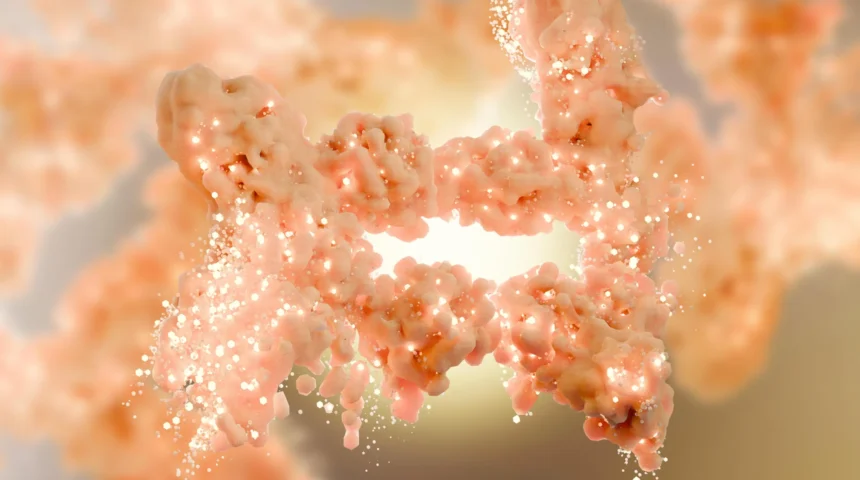
A pivotal protein, identified by researchers and colloquially referred to as "Mitch," has emerged as a central regulator in cellular energy management, influencing the fundamental biological processes of fat accumulation and consumption. Investigations into MTCH2, the protein’s formal designation, have unveiled its capacity to dictate whether cells prioritize energy storage or initiate the breakdown of stored lipids for fuel. Disabling this protein in laboratory settings has demonstrated a dual effect: it significantly amplifies the rate at which cells burn existing fat reserves and concurrently impedes the development of new adipocytes, the specialized cells responsible for storing fat. This discovery opens a novel frontier in the ongoing scientific pursuit of effective strategies to combat obesity and associated metabolic dysfunctions, moving beyond traditional appetite suppression mechanisms.
The scientific community has long sought interventions that target the intricate mechanisms governing body weight, particularly in light of evolving understandings of weight loss. While contemporary pharmacological advancements, such as those involving GLP-1 receptor agonists, have achieved remarkable success in reducing overall body mass for many individuals, a critical concern remains the proportion of weight lost that comprises lean tissue, including vital muscle mass. Analyses of extensive clinical trial data, encompassing thousands of participants, have indicated that a substantial percentage of weight reduction achieved through both pharmacological and lifestyle interventions can be attributed to the loss of lean body mass. This underscores the imperative for research that aims to enhance fat reduction while safeguarding the preservation of muscle, which is integral to metabolic health, physical functionality, and long-term well-being. It is within this context that the findings concerning MTCH2 present a compelling alternative avenue for therapeutic development.
Initial explorations into MTCH2’s function were spurred by earlier experimental work involving murine models. In these studies, scientists genetically engineered mice to reduce the activity of MTCH2 specifically within their muscle tissues. The outcomes were striking and far-reaching. These genetically modified rodents exhibited a pronounced elevation in their metabolic rate, effectively becoming resistant to weight gain induced by a high-fat diet. Furthermore, their muscle tissues displayed a notable increase in the development of oxidative fibers, which are characterized by their enhanced capacity for oxygen utilization, thereby contributing to improved physical stamina and endurance. The observed physiological benefits extended to enhanced performance in exercise regimens and stress tests, alongside improvements in cardiovascular function. Beyond merely preventing excess fat deposition, these mice demonstrated a more favorable overall body composition. These comprehensive physiological alterations suggested that MTCH2’s influence extended far beyond a single metabolic pathway, hinting at its broader role in orchestrating the body’s energy utilization, fat storage dynamics, and its ability to sustain physical exertion.
Driven by these compelling observations in mice, researchers embarked on a mission to elucidate the molecular underpinnings of MTCH2’s widespread effects. Their investigation naturally gravitated towards the mitochondria, the ubiquitous cellular organelles often referred to as the "powerhouses" of the cell. Mitochondria are critically responsible for the process of cellular respiration, wherein nutrients derived from food are converted into adenosine triphosphate (ATP), the primary energy currency that fuels virtually all cellular activities. However, the functional significance of mitochondria lies not only in their energy-generating capacity but also in their dynamic nature. These organelles are in a constant state of flux, undergoing processes of fusion, where they merge to form larger, interconnected networks, and fission, where they divide into smaller units. This plasticity is intrinsically linked to cellular energy regulation.
Prior research conducted by Professor Atan Gross and his team at the Weizmann Institute of Science had already established MTCH2’s crucial role in facilitating mitochondrial fusion. When this protein is absent or its function is impaired, the interconnected mitochondrial network within a cell tends to become fragmented. While cells can still produce energy in such a state, the altered mitochondrial structure can lead to a recalibration of energy efficiency and demand, potentially compelling the cell to increase its overall fuel consumption. This mechanism offered a plausible explanation for the enhanced metabolic activity observed in the MTCH2-deficient mice: their cells appeared to be operating in a more energetically demanding mode, necessitating greater fuel intake. The critical next step was to ascertain whether this phenomenon translated to human cells.
To address this question, a research team, spearheaded by doctoral student Sabita Chourasia, employed advanced genetic engineering techniques to systematically remove MTCH2 from human cells cultured in a laboratory environment. The results mirrored those observed in the mouse models, albeit at the cellular level. The absence of MTCH2 led to a significant disruption in the structural integrity of the mitochondrial networks within these human cells, resulting in a more fragmented mitochondrial landscape. This structural alteration precipitated a discernible shift in the delicate balance between cellular energy production and energy requirements. Consequently, the cells experienced a persistent deficit in readily accessible energy relative to their metabolic needs, even as their mitochondria ramped up their oxygen consumption – a hallmark of increased energy generation.
To compensate for this energy shortfall, the human cells lacking MTCH2 began to exhibit an augmented uptake and utilization of various nutrients. Chourasia elaborated on these findings, noting that after the deletion of MTCH2, comprehensive analyses revealed a significant increase in cellular respiration, the fundamental process by which cells convert nutrients like carbohydrates and fats into energy using oxygen. This heightened metabolic activity directly accounted for the improved muscular endurance observed in the earlier mouse experiments. The researchers observed a pronounced increase in the consumption of fats, carbohydrates, and even amino acids, the essential building blocks of proteins.
The impact on fat metabolism proved particularly illuminating. Instead of relying on their typical repertoire of energy substrates, the MTCH2-depleted cells demonstrated a marked preference for utilizing fatty acids as their primary fuel source. This finding was pivotal, indicating that MTCH2 not only influences the overall quantity of energy a cell consumes but also plays a critical role in determining which specific nutrients are mobilized to meet that demand. Professor Gross further explained that the absence of MTCH2 led to a substantial reduction in the amount of fats present within cell membranes. Concurrently, there was an observed increase in the utilization of lipid-based substances for energy production, leading to the conclusion that MTCH2 effectively governs the metabolic fate of fats within human cells. Cell membranes, composed predominantly of lipid molecules, are fundamental to cellular structure and function. The research suggested that cells deprived of MTCH2 reallocated their lipid resources, drawing upon membrane-bound fats to support their heightened energy expenditure. Detailed examinations also revealed alterations in stored lipids, underscoring the complexity of MTCH2’s influence, which extended beyond simple fat elimination to a more intricate regulation of nutrient allocation between energy generation and other essential cellular processes.
The researchers then extended their inquiry to investigate whether MTCH2 exerted any influence on the differentiation process of adipocytes, the cells responsible for fat storage. This line of questioning was particularly pertinent given prior observations of elevated MTCH2 levels in adipose tissue from individuals diagnosed with obesity. Adipocytes develop from immature precursor cells through a complex biological process known as adipogenesis. This developmental pathway necessitates the synthesis of new cellular structures, the production and accumulation of lipids, and the activation of specific genes that enable cells to specialize in energy storage. These intricate processes are inherently energy-intensive and require a substantial supply of raw materials.
The research team hypothesized that the absence of MTCH2 might create a cellular environment where the demand for energy consumption overshadows the capacity for building the necessary components for fat storage, thereby hindering adipogenesis. Experimental evidence gathered from mouse precursor fat cells strongly supported this hypothesis. When MTCH2 was deleted from these progenitor cells, a dramatic decrease in their ability to successfully differentiate into mature fat cells was observed. In controlled experiments, while approximately 80% to 90% of normal precursor cells underwent differentiation within a six-day period, only a meager 5% to 10% of MTCH2-deficient cells achieved this developmental milestone. Furthermore, these altered cells accumulated significantly fewer lipid droplets, the intracellular structures where fat is stored. Gross elaborated that the absence of MTCH2 created conditions within the progenitor cells that were unfavorable for the synthesis of new fats. This diminished capacity for membrane synthesis, he explained, directly impeded cellular growth and development, preventing them from reaching the stage of differentiation. The process of fat accumulation is critically dependent on ample energy availability, but cells lacking MTCH2 experienced an energy deficit. Moreover, the expression of genes essential for differentiation was suppressed, and there was a scarcity of crucial substances required for this process to occur. The cumulative effect was a significant reduction in both the differentiation of new fat cells and the subsequent accumulation of fat. In essence, the disruption of MTCH2 function appeared to impact fat metabolism through two distinct mechanisms: it amplified the consumption of energy-rich nutrients and concurrently impaired the cellular machinery required for the development of new fat-storing cells. It is important to note that while these adipogenesis experiments utilized a mouse-derived cell line, the nutrient consumption analyses were conducted on human cells, suggesting a potentially broader role for MTCH2, though direct evidence of MTCH2 inhibition preventing new fat cell formation in humans remains to be established.
Further substantiating the significance of MTCH2, a subsequent study published in October 2025 in Nature Communications provided deeper insights into its role in regulating energy expenditure within adipose tissue. This international collaboration, which included researchers from the Weizmann Institute, meticulously investigated the molecular pathways through which MTCH2 influences metabolism. Through a multifaceted approach involving the analysis of human and mouse fat samples, studies on cultured fat cells, and experiments with genetically modified mice, the scientists identified an additional mechanism linking MTCH2 to increased energy expenditure. They discovered that MTCH2 plays a crucial role in regulating the transport of fatty acids into mitochondria, the site where these molecules are broken down to generate energy.
This transport process is critically mediated by an enzyme known as carnitine palmitoyltransferase 1 (CPT1). CPT1 acts as a key regulatory checkpoint, controlling the influx of fatty acids into the mitochondria for energy production. Normally, the activity of CPT1 is modulated by malonyl-CoA, a molecule that signals to the cell when to limit fatty acid consumption. The research revealed that MTCH2 physically interacts with CPT1 and influences the sensitivity of this enzyme to the regulatory signals from malonyl-CoA. The absence of MTCH2 disrupted this intricate control system, thereby allowing mitochondria to increase their utilization of fatty acids and consequently elevate energy expenditure. This discovery provided a more precise molecular explanation for how inhibiting MTCH2 could promote increased fat burning at the cellular level.
The follow-up study yielded a particularly encouraging finding regarding whole-body metabolism. When researchers selectively removed MTCH2 from the fat cells of mice, these animals demonstrated an increased overall energy expenditure without any corresponding increase in physical activity or alterations in their food intake. Under standard dietary conditions, the genetically modified mice gained weight at a pace comparable to their untreated counterparts. However, when subjected to a high-fat diet, a significant divergence emerged. The mice lacking MTCH2 in their fat tissue exhibited less weight gain and a reduced accumulation of body fat compared to the control group, despite consuming similar quantities of food. Importantly, their lean body mass remained consistent with that of the control animals, suggesting that the metabolic benefits were specifically related to fat regulation rather than a generalized loss of tissue.
The genetically modified mice also displayed improvements in glucose tolerance, indicating enhanced capacity for blood sugar regulation following glucose administration, and their cholesterol levels were notably lower. These results collectively bolstered the evidence that MTCH2 exerts a significant influence on systemic metabolism, extending beyond the behavior of isolated cells. Furthermore, the study revealed that MTCH2’s metabolic effects could manifest independently of UCP1, a protein traditionally associated with thermogenesis in brown adipose tissue. Brown fat is a specialized type of fat tissue that generates heat by burning energy, in contrast to white fat, which primarily serves as an energy storage depot. The identification of an additional pathway for augmenting energy expenditure holds considerable promise, as it presents researchers with another potential therapeutic target for addressing obesity and related metabolic disorders.
The cumulative findings from these investigations suggest that MTCH2 may function as a critical molecular nexus, integrating the processes of fat storage, energy consumption, and the development of adipocytes. The initial experiments demonstrated that disrupting MTCH2 in human cells could elevate nutrient utilization, while in mouse cells, it interfered with fat cell formation. The subsequent research further elucidated this by showing that the selective removal of MTCH2 from fat tissue could boost energy expenditure and confer protection against excessive weight gain in mice on a high-fat diet. This confluence of evidence points towards the potential for developing therapeutic interventions that modulate the body’s energy balance, offering a complementary approach to existing medications that primarily focus on appetite reduction.
However, several significant questions remain to be definitively answered. Scientists have yet to conclusively demonstrate that inhibiting MTCH2 leads to safe and sustained weight loss in humans. Given that MTCH2 is involved in other vital biological functions, including mitochondrial regulation and pathways essential for cell survival, widespread inhibition of this protein throughout the body could potentially elicit unintended adverse effects. Moreover, the complete prevention of adipocyte formation may not always be beneficial. Healthy adipose tissue plays an indispensable role in storing excess energy, maintaining glycemic control, and producing crucial hormones. Disrupting its function could inadvertently lead to the redirection of fats into organs where they might cause harm. Future research endeavors will need to meticulously assess the safety profile of targeting MTCH2, identify the most advantageous tissues for intervention, and determine whether reducing its activity can effectively promote fat loss while preserving muscle health. Until such time, established strategies such as resistance exercise and adequate protein intake remain paramount for safeguarding muscle mass during weight reduction. Clinical trial reviews from 2026 have consistently highlighted that combining lifestyle modifications with resistance training yields a more favorable outcome in preserving lean mass compared to weight-loss interventions that exclude such exercise. Nevertheless, this body of research opens a compelling avenue for future obesity treatments, suggesting a paradigm shift from solely focusing on caloric intake to also influencing how cells decide between burning energy and storing it. At the heart of this intricate decision-making process appears to be the protein known as Mitch.
Related posts:

Related News