Immune System’s Silent Signals: Unlocking Pre-Clinical Detection for Inflammatory Bowel Disease
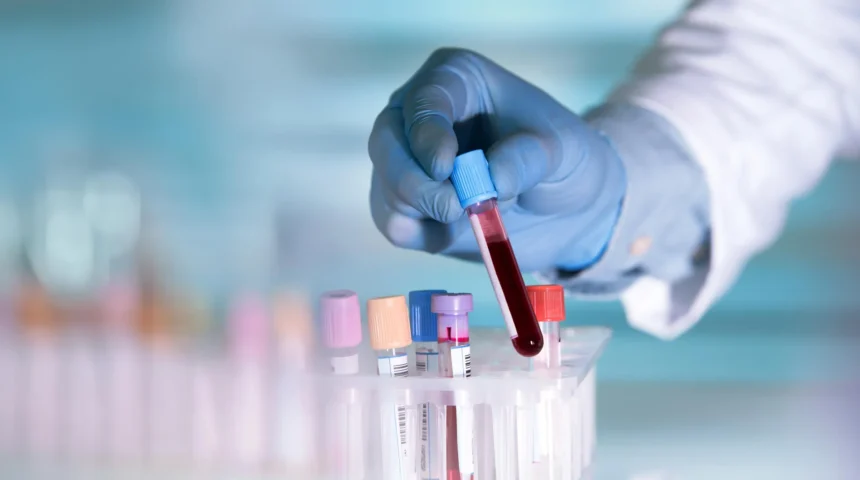
A groundbreaking investigation has unveiled previously hidden shifts within the human immune system that manifest a full decade before a formal diagnosis of inflammatory bowel disease (IBD). These revelations, presented at the prestigious UEG Week 2026, indicate that specific antibody profiles circulating in the bloodstream could eventually empower medical professionals to identify individuals at elevated risk of developing these debilitating conditions, and potentially even forecast the trajectory of their disease severity. This pioneering research marks a significant leap towards proactive intervention and personalized management strategies for a group of chronic gastrointestinal disorders that profoundly impact millions globally.
Inflammatory bowel disease encompasses a spectrum of persistent, often severe, conditions primarily affecting the digestive tract, most notably Crohn’s disease (CD) and ulcerative colitis (UC). These disorders arise from a dysregulated immune response that mistakenly attacks healthy tissues within the gastrointestinal system, leading to chronic inflammation, tissue damage, and a myriad of symptoms including abdominal pain, severe diarrhea, fatigue, and weight loss. Unlike irritable bowel syndrome, IBD involves actual inflammation and tissue damage, making early and accurate diagnosis crucial for preventing long-term complications and improving patient quality of life. The prevailing scientific consensus has increasingly suggested that the pathological processes underlying IBD commence long before clinical symptoms become apparent enough for a definitive diagnosis. However, the precise immunological transformations occurring during this latent, pre-symptomatic phase have remained largely enigmatic until now.
To systematically investigate these elusive early immune alterations, an international team of researchers embarked on a comprehensive retrospective analysis. Their study involved meticulously examining 2,000 distinct blood serum samples. This extensive collection was sourced from 500 participants, strategically segmented into three cohorts: 200 individuals who were subsequently diagnosed with Crohn’s disease, 200 who later developed ulcerative colitis, and a control group of 100 healthy subjects carefully matched for age and sex. A critical aspect of this study’s design was the availability of longitudinal blood samples, meaning specimens were collected not only at the time of diagnosis but also at approximate intervals of two, four, and even ten years prior to the official clinical recognition of IBD. This unique temporal perspective enabled the research team to retrospectively trace the evolution of immune activity over a full decade, thereby pinpointing the specific changes that emerged long before the diseases became clinically manifest.
The scientific inquiry delved deep into the intricate world of immunology, focusing on antibody reactions to an astonishing array of approximately 357,000 different antigens. Antigens are molecular structures that can trigger an immune response, originating from diverse sources such as bacteria, viruses, various food components, and even the body’s own tissues (autoantigens). Antibodies, in turn, are specialized proteins generated by the immune system to recognize and neutralize these specific antigens. Across the entirety of the 2,000 analyzed samples, the researchers successfully identified an impressive total of 123,980 unique antibodies, providing an unparalleled snapshot of the immune landscape in these individuals.
A particularly compelling observation emerged from this vast dataset: individuals who eventually developed either Crohn’s disease or ulcerative colitis exhibited a significantly reduced diversity in their antibody repertoire compared to their healthy counterparts. This indicated a narrower spectrum of immune responses in the pre-symptomatic stages of IBD. Crucially, these distinctive shifts in antibody patterns were discernible in both disease types as far back as a decade before the official diagnosis, underscoring the profound and early nature of these immunological deviations.
Beyond the general reduction in antibody diversity, the study uncovered distinct immunological signatures that differentiated Crohn’s disease from ulcerative colitis, even in their nascent stages. For those individuals destined to develop Crohn’s disease, the researchers noted an elevated antibody response specifically targeting herpesviruses and bacterial flagellin. Flagellin is a key protein component of the whip-like appendages, known as flagella, that many bacteria utilize for locomotion. The heightened reactivity to flagellin suggests a specific interaction with certain bacterial populations in the gut, potentially indicating a persistent immune challenge or dysbiosis. These elevated responses were particularly pronounced in individuals who would later experience more complicated forms of Crohn’s disease or whose condition primarily affected the ileum, the terminal section of the small intestine. Concurrently, a gradual decline was observed in antibody responses to encapsulated bacteria as the time of diagnosis approached. These bacteria possess protective outer coatings or capsules that allow them to evade detection and destruction by the host immune system, suggesting a shifting balance in the gut microbiome and immune surveillance.
In contrast, individuals who subsequently developed ulcerative colitis presented a somewhat different, yet equally telling, immunological profile. Their antibody responses showed an increase against herpesviruses, mirroring the finding in Crohn’s, but also a notable rise in reactivity to autoantigens. Autoantigens are molecular components of the body’s own cells and tissues that, under certain pathological conditions, can become targets for an aberrant immune attack. This increase in autoantibody activity provides strong evidence of an underlying autoimmune component in the pathogenesis of ulcerative colitis. Similar to Crohn’s disease, a concurrent decrease in antibody responses to encapsulated pathogens was also observed. Collectively, these highly specific findings unequivocally demonstrate that the immune system undergoes measurable and characteristic changes many years before inflammatory bowel disease is clinically diagnosed, paving the way for predictive diagnostics.
Leveraging the power of advanced computational techniques, the research team then employed machine learning, a sophisticated form of artificial intelligence capable of discerning complex patterns within vast datasets. The objective was to ascertain whether these identified antibody signatures could reliably differentiate between individuals who would ultimately develop IBD and those who would remain healthy. The outcomes of this predictive modeling were remarkably encouraging. Utilizing blood antibody patterns collected up to ten years prior to diagnosis, the machine learning models successfully distinguished future cases of Crohn’s disease from healthy controls with an impressive area under the curve (AUC) value of 0.90. For ulcerative colitis, the corresponding predictive accuracy was also robust, yielding an AUC of 0.84. In statistical terms, an AUC score serves as a measure of a model’s ability to discriminate between two distinct groups; a score of 0.5 indicates performance equivalent to random chance, while a perfect discrimination is represented by a score of 1.0. These high AUC values underscore the significant predictive potential of the identified antibody profiles.
Furthermore, the researchers made an additional critical discovery: these antibody patterns possessed the capability to help distinguish individuals who would develop complicated forms of Crohn’s disease from those whose condition would remain less severe. This crucial distinction was possible approximately ten years before diagnosis, achieving an AUC of 0.85. This particular finding holds immense promise, as it suggests that future blood antibody testing could not only identify individuals at heightened risk of developing IBD but also provide early insights into the potential severity of their disease, allowing for more aggressive or tailored treatment strategies from the outset.
Dr. Arno Bourgonje, the lead author of this seminal study, underscored the profound implications of these findings. "It is truly fascinating to observe that complicated Crohn’s disease at the point of diagnosis correlates with a distinct antibody profile many years before the emergence of any overt clinical symptoms," Dr. Bourgonje remarked. "This suggests that the severity isn’t merely a consequence of disease progression after diagnosis but is rooted in much earlier immunological events. Detecting these patterns so far in advance highlights the transformative potential of antibody profiling. It could significantly enhance early risk detection, aid in differentiating between various disease subtypes, and critically, help identify patients who might benefit most from more intensive therapeutic interventions as early as possible in their disease course."
Despite the compelling evidence presented, the researchers prudently emphasize that these findings, while establishing an important scientific principle, are not yet ready for immediate integration into routine medical screening protocols. The study represents a foundational proof of concept, demonstrating the existence and detectability of these early immune signatures. However, substantial additional research is imperative to validate these antibody patterns and confirm their reliability in predicting disease across larger, more diverse, and prospectively followed populations.
Future investigations must also rigorously assess whether this novel antibody testing offers meaningful advantages beyond existing diagnostic tools, such as genetic information, current clinical assessments, and other established blood-based biomarkers. Any prospective screening test destined for widespread clinical adoption would need to meet stringent criteria for accuracy, cost-effectiveness, reproducibility, and, most importantly, demonstrate a tangible improvement in patient outcomes. Dr. Bourgonje outlined the immediate priorities: "The next crucial step is to validate these signatures in independent, more heterogeneous, and prospectively monitored cohorts. We must also determine their incremental value when combined with genetic, clinical, and other existing blood-based markers. Ultimately, the goal is to translate these discoveries into a reproducible and affordable targeted assay, and finally, to definitively prove that the application of such a test genuinely translates into superior clinical results for patients."
Should subsequent studies successfully corroborate these initial findings, blood-based immune profiling could emerge as a revolutionary new tool in the medical armamentarium. It would offer clinicians an unprecedented ability to recognize inflammatory bowel disease risk many years before diagnosis, precisely differentiate between the various disease subtypes, and identify specific patients who stand to benefit most from early, aggressive, and personalized therapeutic interventions. This would fundamentally shift the paradigm of IBD management from reactive treatment to proactive prevention and early, tailored care, ultimately improving the lives of countless individuals affected by these challenging conditions.
Related posts:

Related News