Deciphering Chronic Inflammation: How Microscopic Titanium Particles Drive Dental Implant Failure
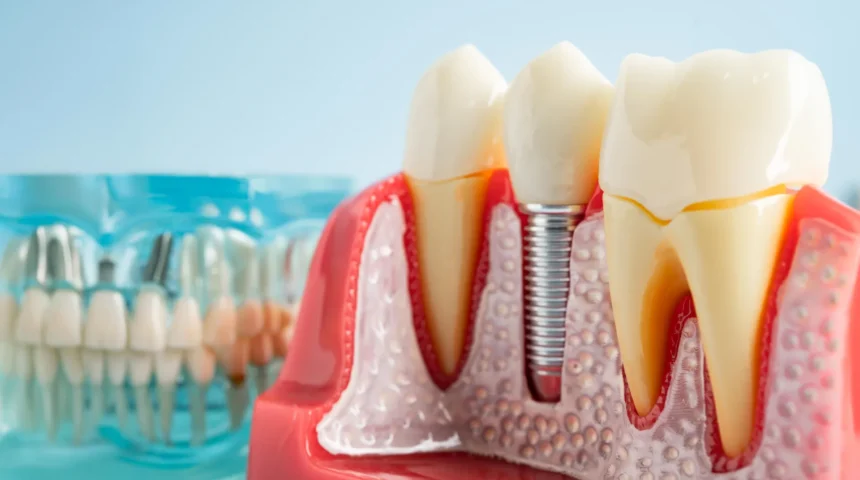
For millions worldwide, dental implants represent a transformative solution for replacing missing teeth, offering a stable and aesthetically pleasing alternative to traditional removable prosthetics. These sophisticated medical devices, typically constructed from titanium, integrate directly with the jawbone, providing a foundation for crowns, bridges, or full-arch restorations. Despite their high success rates, a significant challenge persists: a debilitating condition known as peri-implantitis. This severe inflammatory disease affects a substantial portion of implant recipients, estimated to be between 10% and 20%, leading to progressive bone loss around the implant and, if left untreated, eventual implant failure. For decades, the precise mechanisms underpinning this recalcitrant infection have eluded researchers, complicating effective treatment strategies. However, groundbreaking new research has illuminated a previously unrecognized pathway, pointing to the implant material itself as a critical instigator of chronic inflammation.
The clinical presentation of peri-implantitis often mirrors periodontitis, the common gum disease affecting natural teeth. Both conditions originate from bacterial biofilms accumulating in the oral cavity. Yet, their responses to therapeutic interventions diverge dramatically. While periodontitis can frequently be managed with a combination of professional cleanings and targeted antibiotics, peri-implantitis proves far more resistant. Antibiotic regimens, the cornerstone of bacterial infection treatment, often fall short in controlling the destructive progression around implants, succeeding in fewer than half of reported cases. This perplexing resistance has prompted a shift in scientific inquiry, moving beyond a sole focus on microbial pathogens to explore other contributing factors. The economic burden of peri-implantitis is substantial, with healthcare systems globally incurring costs exceeding $1 billion annually for its management and the associated complications, including surgical revisions and re-implantations. Beyond the financial strain, patients endure pain, functional impairment, and the psychological impact of losing their dental restorations.
A pivotal study published in PNAS Nexus by a team of scientists at the Rutgers School of Dental Medicine has brought unprecedented clarity to this enduring mystery. Their investigation reveals that the interaction between bacteria and the titanium implant surface initiates a cascade of events that ultimately subverts the body’s immune defenses. The researchers identified that bacterial colonization on implant surfaces generates acidic byproducts, which, over time, induce a corrosive effect on the titanium material. This electrochemical process gradually releases microscopic titanium particles into the adjacent gum tissues and jawbone. These fragments, significantly smaller than a red blood cell, are not merely inert debris; they actively engage with the immune system in a detrimental manner.
The research also highlighted another critical source of titanium particle release: mechanical damage during routine dental maintenance. While regular professional cleaning is paramount for preventing peri-implantitis, the instruments used play a crucial role. Historically, many dental professionals employed metal scalers—the same tools used for natural teeth—to clean implant surfaces. The Rutgers team, along with other scientific groups, demonstrated that these abrasive metal instruments can scrape and etch the titanium, mechanically dislodging billions of additional particles and potentially exacerbating the inflammatory process. This finding underscores the importance of utilizing non-abrasive, implant-specific cleaning tools, a practice that has become standard in modern implant care over the last decade.
Once liberated into the peri-implant tissues, these minuscule titanium particles do not remain isolated. The study elucidated a critical step in the immune subversion: the particles act as "magnets," attracting and binding bacterial endotoxins, specifically lipopolysaccharide (LPS). This combination of titanium and LPS creates a deceptive target for macrophages, the specialized white blood cells responsible for engulfing and neutralizing foreign invaders and cellular debris. Macrophages perceive this titanium-LPS complex as an unusually large, indigestible bacterium. Their attempts to internalize and break down these pseudo-pathogens are futile, as titanium cannot be metabolized by the cells. This cellular frustration traps the macrophages in a state of chronic activation and excessive inflammation.
The prolonged inflammatory state has devastating consequences for the surrounding bone. Activated macrophages, unable to resolve the perceived threat, begin to secrete copious amounts of pro-inflammatory signaling molecules, such as interleukin-1 beta (IL-1β). This cytokine is a potent mediator of inflammation and bone resorption, implicated in various chronic inflammatory conditions, including rheumatoid arthritis and Alzheimer’s disease. The sustained release of IL-1β and other inflammatory mediators triggers a localized destruction of the alveolar bone that supports the dental implant. Simultaneously, the macrophages, preoccupied and overwhelmed by the indigestible titanium particles, become significantly less effective at clearing actual bacterial pathogens. Laboratory experiments vividly demonstrated this impairment, showing that macrophages exposed to titanium particles engulfed less than half the number of bacteria compared to their unexposed counterparts. This creates a "perfect storm," as described by Georgios Kotsakis, senior author of the study and assistant dean for clinical research at Rutgers School of Dental Medicine: a situation where the immune system is both destroying its own bone and failing to combat the primary bacterial infection, rendering conventional antibiotic treatments largely ineffective.
Crucially, the Rutgers team went beyond identifying the problem, delving into the molecular machinery driving this destructive immune response. Their investigation pinpointed a specific calcium channel, known as TRPC1 (Transient Receptor Potential Canonical 1), within the macrophage cell membrane. This pore-forming protein structure was found to play a central role in mediating the inflammatory signals triggered by the combination of titanium particles and bacterial toxins. To validate its significance, the researchers conducted experiments using genetically engineered mice lacking the TRPC1 gene. When these TRPC1-deficient mice were exposed to the same inflammatory stimuli—titanium particles and bacteria—their immune systems responded dramatically differently. They developed significantly smaller abscesses, produced substantially fewer inflammatory signaling molecules, and, critically, retained their ability to clear bacterial infections effectively. Disabling this single calcium channel prevented the destructive disease process observed when TRPC1 was present, underscoring its pivotal role.
This discovery represents a monumental step forward in the fight against peri-implantitis, offering the first credible molecular drug target for a condition that has long baffled clinicians and scientists. "For the first time, we show why all the antibiotic treatments that work around teeth do not work around implants," stated Dr. Kotsakis. "Now that we know the cause, we can start developing therapeutics." The identification of TRPC1 opens up an entirely new avenue for therapeutic development, shifting the focus from simply eradicating bacteria to modulating the host immune response. Instead of battling a recalcitrant infection with increasingly potent antibiotics, future treatments could aim to block or inhibit the TRPC1 channel, thereby preventing the macrophages from entering this self-destructive inflammatory loop. With ongoing funding from the National Institutes of Health, Dr. Kotsakis and his colleagues are already actively evaluating potential drug candidates that specifically target this molecular pathway in human cells, moving closer to translating this laboratory breakthrough into a clinical reality.
In the interim, the findings powerfully reinforce the importance of meticulous implant maintenance. While future immune-modulating therapies hold great promise, current preventive measures remain the most effective defense. Regular professional cleanings, performed with non-abrasive instruments specifically designed for implant surfaces, are essential to minimize both bacterial accumulation and the mechanical release of titanium particles. Patient education regarding optimal home care is equally vital. By understanding the intricate interplay between implant materials, bacterial biofilms, and the host immune system, clinicians and patients can work together to safeguard the longevity and success of dental implants, ensuring that this innovative tooth replacement solution continues to improve the quality of life for millions without the shadow of chronic inflammation.

Related News