Novel Auricular Stimulation Shows Promise for Uncontrolled Hypertension Management.
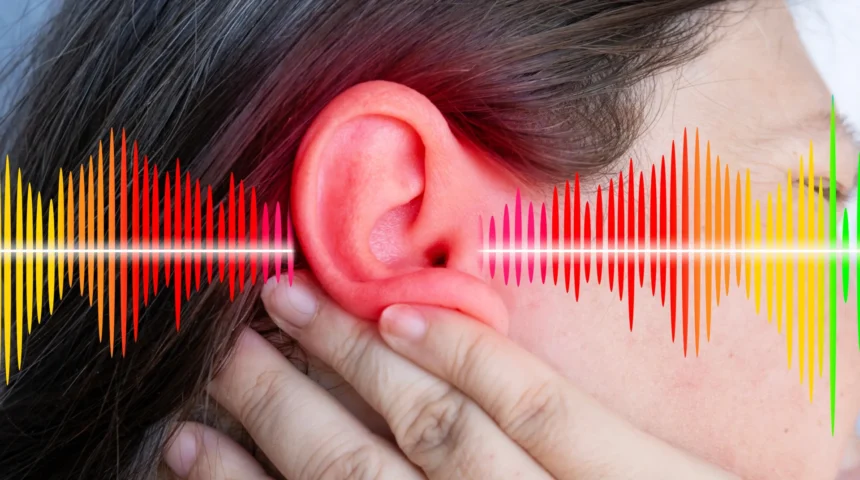
A pioneering therapeutic modality, involving the application of minute electrical currents to specific points on the ear, is emerging as a potential avenue for addressing persistent and difficult-to-manage high blood pressure. Initial investigations, spearheaded by a collaborative effort from researchers at Queen Mary University of London, have demonstrated that this innovative technology is not only safe and well-tolerated by individuals but also practical for self-administration within the home environment. While the treatment did not elicit a statistically significant overall reduction in blood pressure when compared against a placebo device across the entirety of the study cohort, a closer examination of the data revealed encouraging trends, particularly among participants exhibiting more severe forms of hypertension. These preliminary outcomes suggest a compelling possibility: that targeted stimulation of auricular nerves could, in time, offer a supplementary benefit for individuals whose blood pressure remains elevated despite adherence to established pharmacological interventions.
The findings, meticulously documented and published in Hypertension, a distinguished journal affiliated with the American Heart Association, stem from the SCRATCH-HTN clinical trial. The research team has underscored the critical necessity for more extensive and comprehensive studies to definitively ascertain the potential clinical utility of this approach and to pinpoint the specific patient profiles most likely to experience a beneficial response. The underlying principle of this experimental treatment lies in a technique known as transcutaneous autonomic neuromodulation (tAN). This methodology endeavors to modulate the activity of the autonomic nervous system, a complex and involuntary network responsible for regulating a multitude of vital physiological processes, including cardiac rhythm, digestive functions, and crucially, blood pressure regulation. By introducing subtle electrical signals to the intricate web of nerves present in the ear, scientists aim to harness the body’s innate regulatory mechanisms for blood pressure control, circumventing the need for invasive surgical procedures.
The handheld apparatus, a product of Afferent Medical Solutions, is designed with simplicity and patient convenience in mind. It features two small, unobtrusive clips engineered to be placed on the tragus, a small cartilaginous projection situated anterior to the ear canal. These clips are responsible for delivering gentle electrical stimulation, empowering individuals to undertake the treatment regimen independently, thereby obviating the requirement for frequent clinical visits. The clinical trial, which received funding from the National Institute for Health and Care Research (NIHR), recruited a cohort of 63 individuals diagnosed with inadequately controlled hypertension. All participants were already engaged in a therapeutic regimen involving at least one prescribed medication intended to lower their blood pressure; however, their recorded readings consistently exceeded recommended physiological thresholds.
In a carefully designed randomized controlled trial, participants were allocated to one of two groups: one group received active nerve stimulation, while the other was provided with a sham device, meticulously designed to mimic the active device in appearance and sensation without delivering therapeutic electrical currents, serving as a crucial control for comparative analysis. This methodological approach was instrumental in enabling investigators to discern whether the observed benefits, if any, could be unequivocally attributed to the electrical stimulation itself, rather than to psychological effects or the simple act of using a device. For the initial fortnight of the study, participants diligently applied their assigned devices for a duration of 30 minutes each day. Subsequently, for the ensuing 10 weeks, the frequency of application was reduced to once weekly.
The data collected during the trial indicated that the treatment was generally well-tolerated and did not produce significant discomfort for the participants. Furthermore, the majority of individuals adhered to the prescribed treatment schedule, a finding that lends credence to the potential practicality of this technology for consistent home-based utilization. Nevertheless, when researchers conducted a comparative analysis of blood pressure fluctuations across the entire study population, no statistically significant divergence was identified between the group receiving active stimulation and the group utilizing the sham device. This outcome, while not definitively disproving the therapy’s efficacy, necessitated further scrutiny of the data.
Despite the absence of an overall statistically significant benefit in the broader participant group, a potentially critical insight emerged from a focused analysis of participants who presented with more severe hypertension at the outset of the trial. A prespecified subgroup analysis, meaning this specific comparison was planned and defined prior to the unblinding and examination of the trial results, revealed a more pronounced reduction in blood pressure among these individuals when they underwent active nerve stimulation compared to the sham treatment. This observation strongly suggests that the efficacy of the technique might be more pronounced in individuals grappling with particularly recalcitrant forms of hypertension. However, given the relatively modest sample size of the trial and the subgroup analysis, these findings require rigorous corroboration through larger-scale investigations before any definitive conclusions regarding the treatment’s effectiveness can be drawn.
Dr. Ajay Gupta, the Chief Investigator for the study, who also holds the positions of Clinical Reader at Queen Mary University of London and Consultant Physician at Barts Health NHS Trust, expressed considerable optimism regarding the findings. He commented, "This represents an exciting and highly patient-acceptable technology that possesses the potential to ultimately provide a cost-effective and scalable solution for millions of individuals. Although the trial did not achieve statistical significance across the broad, unselected group, those participants exhibiting more severe hypertension demonstrated a clear reduction in blood pressure in the active group when compared to the sham group." He further elaborated, "As the inaugural and most comprehensive study of its nature, these results illuminate significant new avenues for research that could deepen our understanding of whether non-invasive neuromodulation can indeed offer therapeutic benefits to specific patient populations experiencing uncontrolled hypertension."
High blood pressure, medically termed hypertension, stands as a principal contributor to the global burden of cardiovascular disease, significantly elevating the risk of debilitating events such as heart attacks and strokes. The persistent elevation of blood pressure exerts undue stress on the arterial walls and the heart muscle itself, potentially leading to severe and irreversible damage over extended periods. While pharmacological interventions have proven instrumental in assisting a vast number of patients in managing their condition, a substantial proportion of individuals continue to exhibit blood pressure readings that fall outside the recommended therapeutic targets, even when diligently adhering to prescribed medications. This persistent clinical challenge has served as a powerful impetus for the scientific community to explore and develop alternative and supplementary therapeutic strategies that could complement existing treatment paradigms.
Auricular nerve stimulation emerges as one such promising avenue of exploration. The inherent advantages of this modality, including its compact and non-invasive design, the absence of surgical intervention, and its capacity for convenient home-based application, position it as a potentially attractive option, provided that future research conclusively establishes its ability to reliably and effectively lower blood pressure in select patient groups. At present, the published findings should be viewed as an initial and encouraging step in the research process, rather than definitive proof of a new, established treatment. The research team unequivocally emphasizes that larger, more robust clinical trials are indispensable to validate the encouraging trends observed in patients with severe hypertension and to precisely identify which patient demographics, if any, stand to gain the most substantial benefits from this innovative approach.

Related News