Dysfunctional Myelin-Producing Cells Implicated in Age-Related Cognitive Decline, Offering New Therapeutic Pathways.
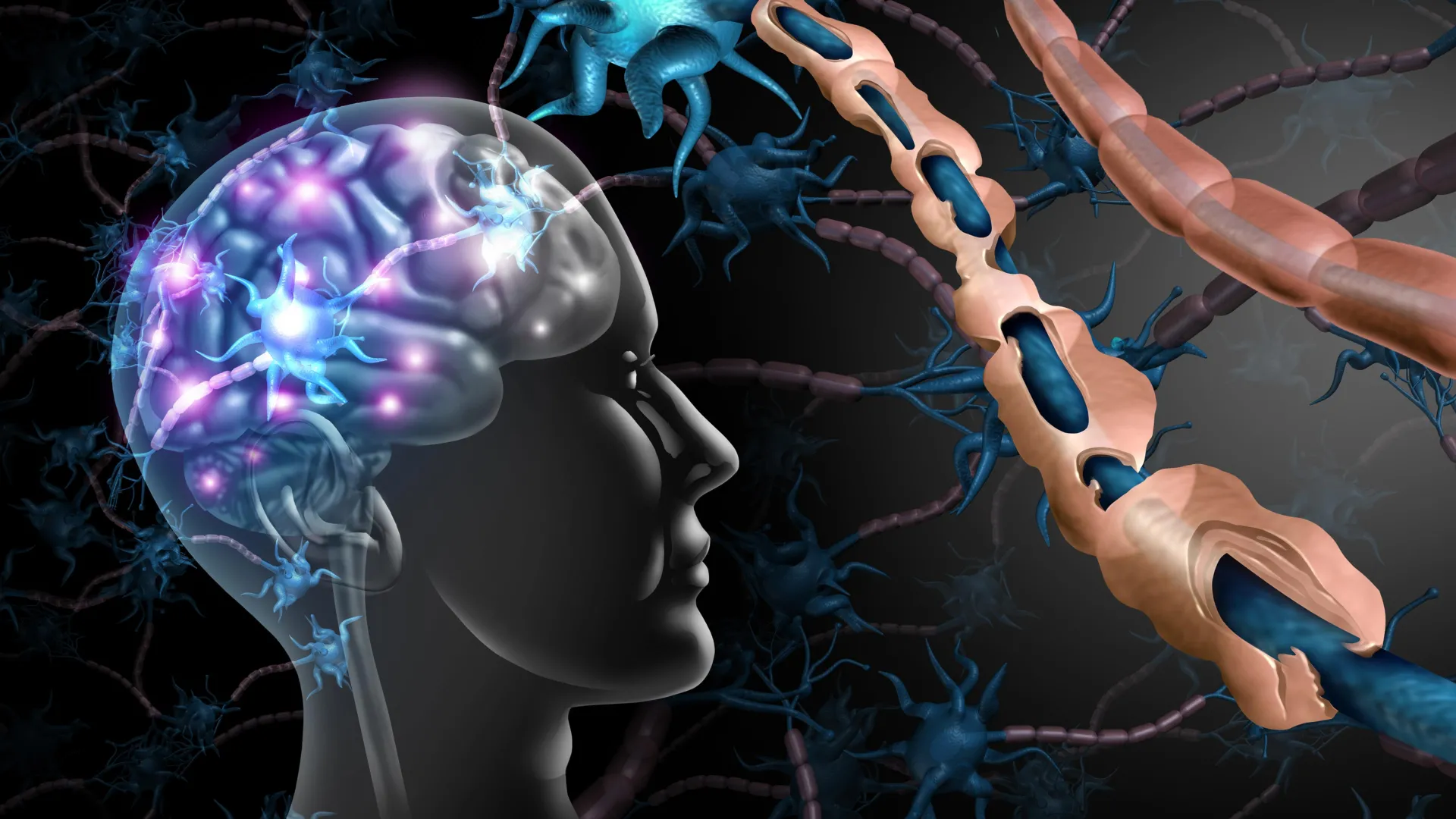
A groundbreaking scientific investigation has unveiled a surprising role for brain cells traditionally regarded as steadfast protectors of neurological function, suggesting they may inadvertently contribute to the gradual deterioration of cognitive abilities as individuals age. These specialized cells, known as oligodendrocytes, are responsible for generating and maintaining myelin, the vital insulating sheath around nerve fibers. New evidence indicates that when these cells become dysfunctional with advancing years, the integrity of neural pathways can be compromised, potentially accelerating memory loss, slowed processing speed, and other declines in thinking skills. This paradigm shift in understanding challenges established views regarding the lifelong benevolent role of oligodendrocytes, opening promising new avenues for intervention in the battle against age-related cognitive impairment.
The pervasive challenge of cognitive decline in an aging global population underscores the urgent need for a deeper comprehension of its underlying mechanisms. As societies experience increased longevity, a growing number of individuals contend with diminished mental acuity, impacting independence, quality of life, and placing considerable strain on healthcare systems. While conditions like Alzheimer’s disease and vascular dementia are well-recognized contributors to cognitive impairment, a significant portion of age-related cognitive decline remains poorly understood, often manifesting as a general slowing and reduced efficiency in brain function. This new research, published in the esteemed journal Nature Medicine, posits that a fundamental component of the brain’s support system – the very cells tasked with ensuring efficient communication between neurons – might, under certain circumstances, transform from an ally into an unexpected adversary.
At the heart of efficient brain function lies the intricate network of nerve fibers, or axons, that transmit electrical signals throughout the brain and body. For these signals to travel swiftly and without degradation, they require insulation, much like electrical wires need a protective coating. This biological insulation is myelin, a fatty substance that wraps around axons, dramatically increasing the speed and efficiency of signal propagation. Oligodendrocytes are the dedicated architects of this myelin sheath within the central nervous system. For decades, the prevailing understanding has been that these cells are unequivocally beneficial, tirelessly working to maintain the structural and functional integrity of neural circuits. Their dysfunction has primarily been associated with demyelinating diseases like Multiple Sclerosis, where myelin is actively attacked and destroyed. However, the current findings introduce a novel and complex layer to their involvement in the aging process.
The extensive research, spearheaded by scientists from the University of Edinburgh and the UK Dementia Research Institute, delved into the complex interplay between changes in brain biology and the trajectory of cognitive abilities later in life. A cornerstone of their investigation was the unique Lothian Birth Cohort 1936, an invaluable longitudinal study that has meticulously tracked a group of individuals since their childhood. This extraordinary dataset, spanning many decades, provided an unprecedented opportunity to observe how cognitive functions, such as memory, information processing speed, and spatial reasoning, evolved over a lifetime. Participants underwent detailed cognitive assessments between the ages of 70 and 82, allowing researchers to capture nuanced changes in their mental capabilities. Out of the 1,091 individuals initially enrolled in the cohort, 866 completed additional cognitive evaluations after reaching 70 years of age. While most participants experienced some degree of cognitive slowing, the rate and severity of decline varied significantly among individuals. This natural variation proved critical, enabling scientists to discern potential biological distinctions between brains that aged gracefully and those that underwent more rapid deterioration.
Upon examining post-mortem brain tissue samples obtained from a subset of these participants, a distinct pattern emerged, correlating directly with the observed cognitive trajectories. Individuals who had experienced a more pronounced decline in their cognitive faculties during their later years exhibited two key neuropathological features: a reduced density of large nerve fibers and, crucially, an abnormal accumulation of unhealthy myelin. Unlike the healthy, compact myelin that efficiently insulates axons, this aberrant myelin appeared to be poorly formed or degraded, hindering rather than helping neural communication. The observed changes were particularly noticeable around the remaining large nerve fibers, suggesting a targeted impact on these critical long-range communication pathways. Importantly, the researchers established a clear association between these myelin abnormalities and the rate at which cognitive abilities diminished over time, rather than simply correlating with cognitive performance at any single point. This distinction highlights the progressive nature of the observed pathology and its direct link to the dynamics of aging-related cognitive decline.
To unravel the molecular underpinnings of these observed changes, the research team turned its focus to the very cells responsible for myelin maintenance: the oligodendrocytes. Their investigation revealed a critical molecular alteration within these cells in individuals experiencing more severe cognitive decline. Specifically, these individuals showed lower levels of a protein called NRF2 within their oligodendrocytes. NRF2 is a master regulator, orchestrating the expression of hundreds of genes involved in cellular defense mechanisms, including antioxidant responses and the maintenance of overall cellular homeostasis. A reduction in NRF2 activity effectively disarms the cell, making it more vulnerable to damage and less capable of performing its essential functions, such as producing and maintaining high-quality myelin.
To establish a causal link between diminished NRF2 activity in oligodendrocytes and the observed brain changes, the scientists conducted targeted experiments using mouse models. By specifically reducing NRF2 levels within the oligodendrocytes of these animals, the researchers meticulously replicated the key pathologies seen in human brain tissue. The mice developed excessive and aberrant myelin, alongside a significant loss of large nerve fibers. Furthermore, these mice demonstrated reduced improvements in cognitive performance as they aged, mirroring the cognitive deficits observed in humans. These compelling experimental findings provided robust evidence that compromised NRF2 activity directly impairs oligodendrocyte function, subsequently triggering a cascade of detrimental changes in myelin and nerve fibers that culminate in cognitive decline.
The discovery holds profound implications for the development of novel therapeutic strategies aimed at preserving cognitive function in older adults. A particularly encouraging aspect of this research is that the NRF2 pathway is not an unknown entity in the realm of medicine. It is already a well-established target for existing pharmaceutical agents, including a drug currently prescribed for the treatment of Multiple Sclerosis (MS). Previous studies have demonstrated that enhancing NRF2 activity can lead to improved cognitive outcomes in individuals with MS, a condition characterized by myelin damage. This raises the tantalizing possibility of drug repurposing—a faster, less costly, and potentially safer route to new treatments. Medications that activate the NRF2 pathway, already proven safe and effective for other neurological conditions, could potentially be adapted to address oligodendrocyte dysfunction and mitigate age-related cognitive decline. While further rigorous research and clinical trials are indispensable to confirm the efficacy and safety of such interventions in older adults, this discovery firmly identifies a potentially valuable and actionable therapeutic target.
Beyond its immediate clinical promise, this research fundamentally reshapes the scientific community’s understanding of the role of oligodendrocytes in the aging brain. "This study has fundamentally shifted how we think about these brain cells in aging," commented Georgina Craig, the study’s first author and a Postdoctoral Fellow at St Michael’s Hospital in Toronto and the UK Dementia Research Institute. "We have always considered oligodendrocytes as purely beneficial, yet here we surprisingly find that they can become dysfunctional and contribute to cognitive impairment in aging." This revelation underscores that these cells are not merely passive support structures but active participants in the aging process, capable of both sustaining and, under certain conditions, undermining brain health. Veronique Miron, MRC Senior Non-Clinical Fellow and UK Dementia Research Institute Group Leader at the University of Edinburgh and St. Michael’s Hospital, part of Unity Health Toronto, expressed enthusiasm about the findings: "As the prevalence of cognitive decline is rising with an aging population and no current treatments exist, we are excited about this work as it points to a potential strategy for new therapeutic strategies to preserve cognitive ability in aging."
The findings suggest that maintaining optimal oligodendrocyte function could become a crucial strategy for safeguarding memory and thinking abilities as individuals navigate the later stages of life. This collaborative study, which also involved scientists from Northwestern University, received vital funding from the UKRI Medical Research Council (MRC) and the Canadian Institutes of Health Research (CIHR). By illuminating a previously unrecognized vulnerability in the brain’s protective systems, this research offers a beacon of hope, directing future investigations toward innovative therapeutic approaches that could profoundly impact the health and well-being of an aging global population.
Related posts:

Related News