A groundbreaking international research endeavor, spearheaded by scientists at Flinders University and involving global collaborators, has successfully elucidated the precise mechanism by which a rare and serious blood clotting disorder can manifest following the administration of certain adenovirus-based COVID-19 vaccines, and even after natural adenovirus infections. This significant breakthrough marks the culmination of years of intensive investigation into a phenomenon that initially surfaced during the global pandemic, offering a clear pathway towards enhancing vaccine safety.
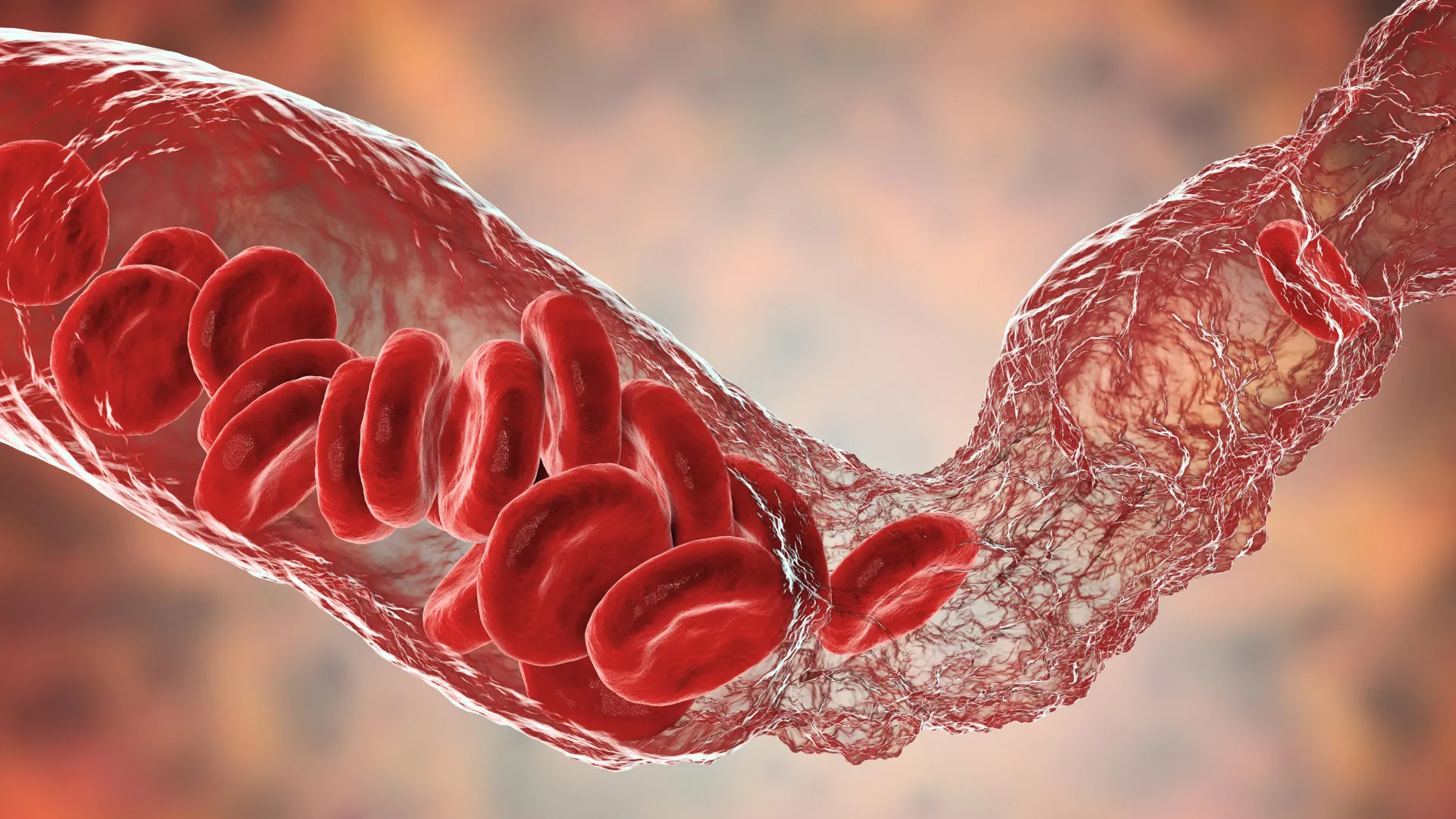
The scientific inquiry delved into the intricate workings of the human immune system, identifying a critical point of confusion where, in an exceptionally small subset of individuals, the body’s defense mechanisms mistakenly perceive a protein inherent to the adenovirus vector as a familiar human protein. Specifically, this misidentification involves a normal adenovirus protein being erroneously recognized as Platelet Factor 4 (PF4), a crucial component of blood platelets involved in clotting. This immune system misapprehension, though infrequent, triggers the production of autoantibodies. These antibodies, rather than serving their protective role, inadvertently activate the clotting cascade, leading to the formation of dangerous blood clots.
The identification of this molecular mimicry represents a pivotal advancement, moving beyond the initial observation of Vaccine-induced Immune Thrombocytopenia and Thrombosis (VITT) to a fundamental understanding of its origin. VITT first emerged as a concern in 2021, coinciding with the widespread deployment of adenovirus vector vaccines, such as the Oxford-AstraZeneca formulation which saw extensive use across various nations. Prior research had established that VITT is driven by the presence of harmful autoantibodies that specifically target PF4.
Earlier foundational work, including studies led by Flinders University researcher Dr. Jing Jing Wang and Professor Tom Gordon, Head of Immunology at SA Pathology, had made significant strides in decoding the three-dimensional structure of these PF4-targeting antibodies in 2022. That earlier research also pinpointed a potential genetic predisposition, linking cases to a specific antibody gene known as IGLV3.21*02. This discovery facilitated the connection of cases observed in different geographical locations and fostered a sustained collaborative partnership with a team at Greifswald University in Germany, under the leadership of Professor Andreas Greinacher.
Further bolstering the understanding of this phenomenon, in 2023, Professor Ted Warkentin from McMaster University in Canada reported observations of a clinically similar condition arising from natural adenovirus infections, commonly associated with the common cold. Worryingly, some of these infection-related cases resulted in fatalities, underscoring the potentially severe consequences of this immune response. A subsequent collaborative study in 2024, involving researchers from Flinders, Greifswald, and McMaster Universities, confirmed that the autoantibodies identified in both vaccine-associated and infection-associated cases were indistinguishable. This finding strongly suggested that the adenovirus itself, rather than any specific vaccine adjuvant or ingredient, was the common culprit initiating the problematic immune response. However, the precise molecular interaction that led to this autoimmune reaction remained elusive until the most recent breakthrough.
The latest research, published in the prestigious New England Journal of Medicine, represents the culmination of a multi-year, multi-national scientific quest. Professor Tom Gordon described the journey as a "fascinating journey with an outstanding international team of collaborators to complete a trilogy of publications… to solve the mystery of this new group of blood clotting disorders, and potentially translate our discoveries into safer vaccines." The critical missing piece of the puzzle was finally uncovered through sophisticated molecular analysis.
Dr. Wang elaborated on the novel methodologies employed in the current study, highlighting the use of advanced mass spectrometry sequencing. This powerful technique allowed the researchers to meticulously identify the molecular mimicry occurring between the adenovirus vector protein and the PF4 protein. This precise identification of the "molecular handshake" between the viral protein and the human platelet factor provided the definitive explanation for how an otherwise normal immune response to a viral component could, in exceedingly rare instances, veer into a harmful autoimmune state.
The implications of this discovery are profound, particularly for the future development of vaccines. Immunologist Professor James McCluskey from the University of Melbourne and the Peter Doherty Institute lauded the work as a "brilliant piece of molecular sleuthing," emphasizing that it unravels the intricate genetic and structural underpinnings of how a natural immune response can trigger pathogenic autoimmunity. With the exact molecular trigger now clearly understood, vaccine manufacturers can strategically modify the specific adenovirus protein, identified as pVII, within these types of vaccines. By altering or removing the sequence responsible for this molecular mimicry, the risk of inducing this rare but serious clotting disorder can be effectively mitigated.
This scientific triumph is anticipated to pave the way for the creation of next-generation adenovirus-based vaccines that are not only highly effective in protecting against infectious diseases but also possess an even more robust safety profile. Such advancements are particularly crucial for global public health initiatives, especially in regions where adenovirus vector vaccines have played a vital role in disease prevention and remain an important tool in the fight against various pathogens. The successful deconstruction of this rare adverse event mechanism underscores the power of collaborative scientific inquiry and its direct impact on public health and medical innovation.
About the Author