A transformative development in chemical synthesis has seen scientists achieve what was once considered an insurmountable challenge: the sustained stabilization of an inherently reactive molecular species within an aqueous environment. This groundbreaking research not only brings to a conclusive close a biochemical puzzle that has perplexed the scientific community for almost seven decades but also inaugurates a new era for more environmentally conscious and efficient methodologies in chemical production, including the synthesis of pharmaceutical compounds.
At the core of this pivotal discovery lies the carbene, a unique form of carbon characterized by a carbon atom possessing only six valence electrons. In contrast, most carbon compounds, adhering to the octet rule, achieve optimal stability with eight valence electrons. This electron deficiency renders carbenes extraordinarily unstable, prompting them to react almost instantaneously with any surrounding molecules. Within an aqueous medium, the typical fate of these fleeting intermediates is immediate decomposition, making their isolation and detailed study an exceptionally difficult endeavor. This intrinsic reactivity is precisely why their sustained presence in water was previously thought to be chemically infeasible.
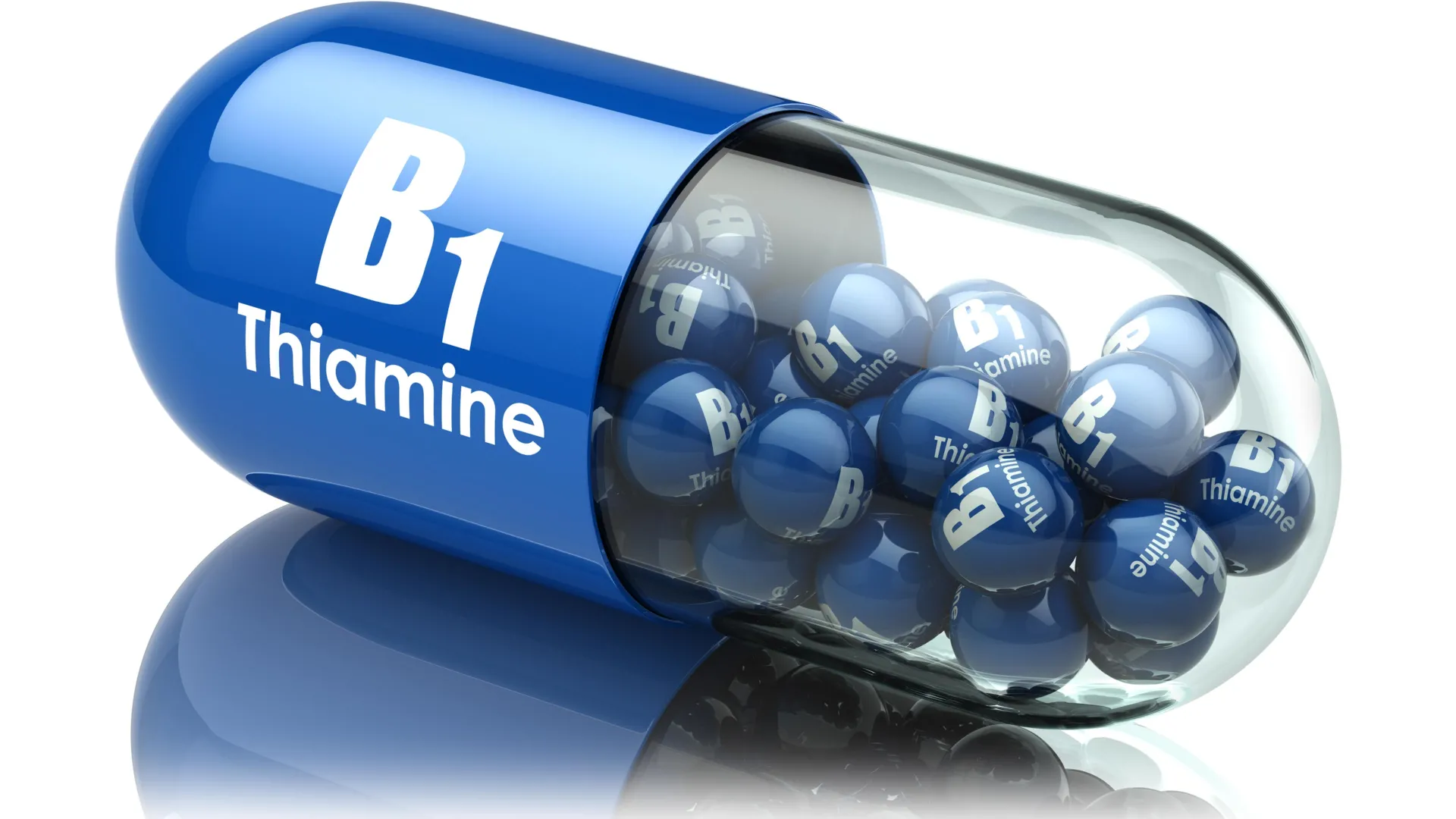
For an extensive period, biochemical researchers entertained the hypothesis that vitamin B1, medically known as thiamine, might transiently adopt a carbene-like configuration within living cells. This proposed intermediate structure was theorized to play a crucial role in facilitating various essential biochemical transformations, particularly in metabolic pathways. However, the extreme lability of carbenes, especially when immersed in water, meant that direct empirical observation of such a structure in physiological conditions remained elusive, relegating the idea to the realm of influential but unverified speculation.
This long-standing scientific enigma can be traced back to 1958, when Ronald Breslow, a distinguished chemist then at Columbia University, first articulated the bold proposition that vitamin B1 could indeed transform into a carbene to catalyze key biochemical reactions. Breslow’s hypothesis, despite lacking direct experimental validation due to the technical limitations of the era and the inherent instability of carbenes, became a cornerstone in mechanistic organic chemistry and enzymology. It provided a conceptual framework for understanding how enzymes might harness highly reactive species to drive biological processes, even as the direct proof remained out of reach, largely because the fleeting nature of carbenes in the presence of water made them impossible to capture or analyze with the tools available.
Now, a research team, spearheaded by Professor Vincent Lavallo from the University of California, Riverside, has successfully synthesized and, more remarkably, stabilized a carbene in water. Their achievement goes beyond mere creation; they managed to isolate this compound, encase it within a sealed container, and observe it maintaining its structural integrity for several months. The comprehensive details of this significant accomplishment have been documented in a peer-reviewed study published in the prestigious journal Science Advances.
Professor Lavallo reflected on the long-held skepticism surrounding such an endeavor, noting, "This marks the inaugural instance where a stable carbene has been successfully observed within an aqueous environment. Many considered this a highly improbable concept, a radical proposition. Yet, as it turns out, Breslow’s original intuition was entirely correct." This sentiment underscores the profound vindication of Breslow’s nearly seventy-year-old theory.
To circumvent the formidable challenge posed by the carbene’s extreme reactivity, Lavallo’s team ingeniously engineered a specialized molecular architecture. This protective structure effectively envelops the carbene, creating a shielded microenvironment that isolates its reactive center from the surrounding water molecules and other potential reactants. Professor Lavallo likens this innovative design to a "molecular shield" or "protective scaffold," meticulously crafted to ensure the carbene’s stability. This sophisticated encapsulation mechanism rendered the carbene sufficiently stable for rigorous analysis using advanced spectroscopic techniques, including nuclear magnetic resonance (NMR) spectroscopy and X-ray crystallography. These powerful analytical methods provided unequivocal evidence of the molecule’s existence and sustained stability in water, offering concrete proof that such elusive species can indeed persist in an aqueous phase.
Varun Raviprolu, the lead author of the study who conducted this research during his graduate studies at UCR and is currently a postdoctoral researcher at UCLA, highlighted the serendipitous nature of their discovery. "Our primary objective was to synthesize these reactive molecules to explore their intrinsic chemical properties, rather than specifically pursuing the validation of a historical theory," Raviprolu stated. "However, our findings serendipitously provided direct confirmation of precisely what Breslow had hypothesized all those decades ago." This revelation underscores how fundamental research, driven by curiosity, can unexpectedly resolve long-standing scientific debates.
The ramifications of this breakthrough extend far beyond the resolution of a historical scientific enigma. Carbenes are widely employed as "ligands" – supporting components that bind to metal centers in catalysts. These metal-based catalysts are indispensable in a vast array of industrial chemical processes, playing a critical role in the synthesis of pharmaceuticals, the production of fuels, and the manufacture of various advanced materials. However, a significant drawback of many existing catalytic processes is their reliance on toxic, volatile, and environmentally hazardous organic solvents. These solvents contribute to pollution, pose health risks to workers, and necessitate complex and energy-intensive waste disposal protocols.
By successfully stabilizing carbenes in water, the researchers have potentially unlocked a pathway toward significantly safer and more ecologically sustainable chemical production methods. Water, being the ultimate green solvent, is abundant, non-toxic, non-flammable, and inherently environmentally benign. The ability to conduct powerful catalytic reactions in an aqueous medium would drastically reduce the reliance on harmful organic solvents, thereby diminishing chemical waste, lowering production costs, and decreasing the environmental footprint of numerous industrial operations. Raviprolu articulated this vision, stating, "Water represents the quintessential solvent – it is ubiquitous, non-toxic, and environmentally benign. If we can successfully adapt these potent catalysts to operate effectively in water, it signifies a monumental stride toward truly green chemistry." This transition could revolutionize industries ranging from drug manufacturing to polymer synthesis, fostering a more sustainable global chemical economy.
Furthermore, the capability to synthesize and maintain reactive intermediate molecules in water brings scientists significantly closer to accurately replicating the intricate chemical transformations that naturally occur within living biological systems. Cells, the fundamental units of life, are predominantly composed of water, and many vital biochemical reactions involve highly reactive, transient intermediates that are carefully managed within this aqueous environment. The difficulty in isolating and studying these fleeting species has historically limited our understanding of their precise roles and mechanisms.
Professor Lavallo elucidated the broader implications for biological chemistry, explaining, "There exist numerous other reactive intermediates in biological processes that, much like the carbene in question, we have never been able to isolate or directly observe. By employing protective strategies analogous to the one we developed, we may finally gain the capacity to visualize these elusive molecules and glean invaluable insights from their behavior." This ability to mimic cellular chemistry more faithfully could open new avenues for understanding metabolic diseases, designing more effective drugs, and even creating novel synthetic biological pathways. It promises to deepen our comprehension of life’s fundamental chemical processes, potentially leading to breakthroughs in medicine, biotechnology, and materials science.
For Professor Lavallo, whose dedicated research career spans two decades focused on carbenes, this achievement carries both profound scientific validation and significant personal resonance. He reflected on the rapid evolution of the field, stating, "Merely three decades ago, the prevailing scientific consensus was that these specific molecules could not even be synthesized. Now, we possess the capability to bottle them in water. What Breslow articulated all those years ago – his prediction was accurate."
Raviprolu views this scientific milestone as a compelling testament to the enduring value of perseverance and sustained investment in scientific inquiry. He concluded, "What might appear utterly impossible today could very well become a tangible reality tomorrow, provided we maintain our commitment to fostering and funding scientific exploration." This perspective highlights the iterative and often challenging nature of scientific progress, where persistent effort and intellectual curiosity ultimately yield unexpected and transformative discoveries. The stabilization of carbenes in water is not merely the end of one scientific quest, but the promising beginning of many more.
About the Author