
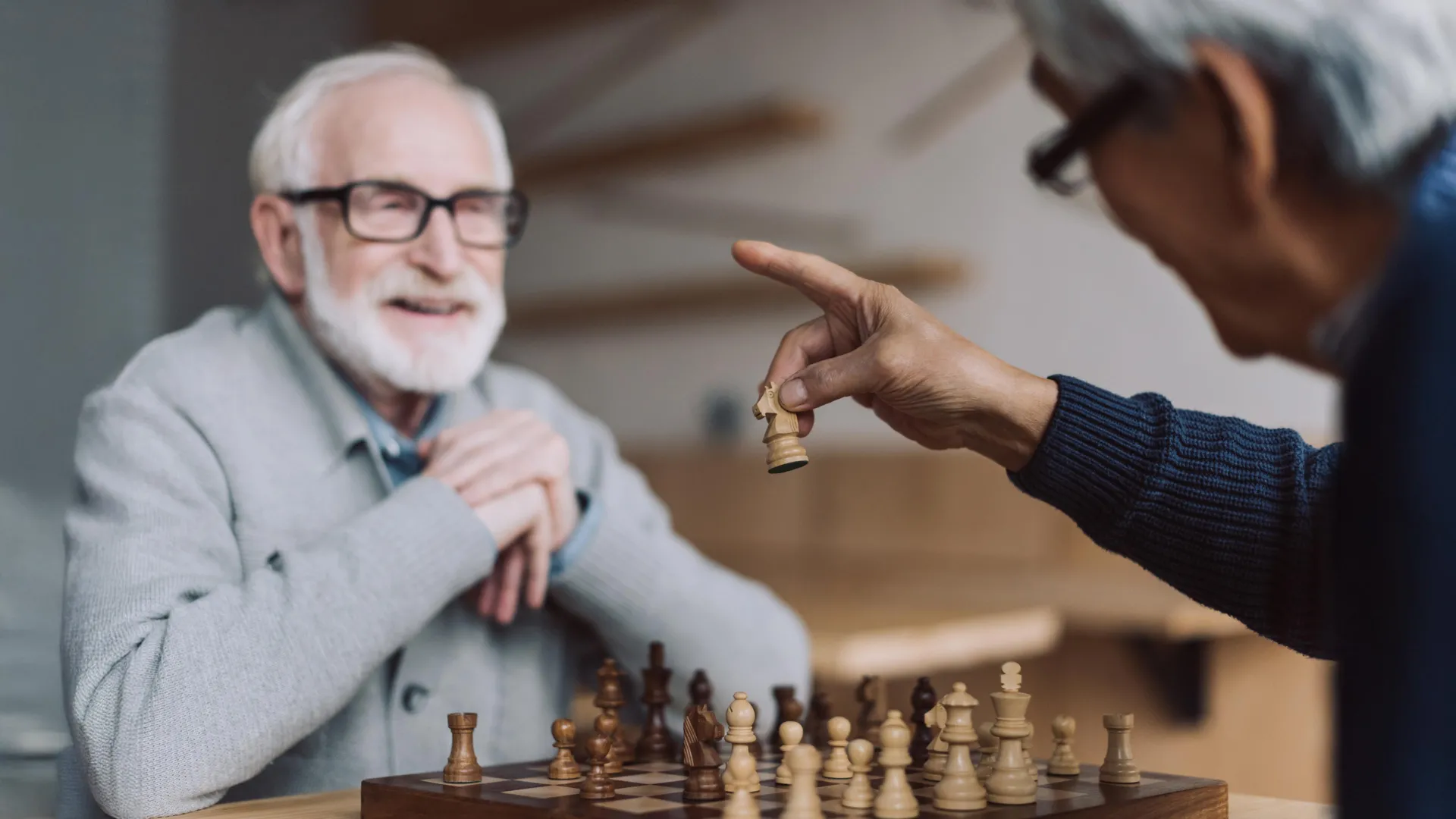
For over a quarter of a century, a dedicated cadre of scientists at Northwestern Medicine has been meticulously investigating a unique cohort of individuals, those who have reached their eighth decade yet exhibit cognitive faculties typically associated with individuals half their age. These remarkable individuals, colloquially termed "SuperAgers," are redefining our understanding of aging and the potential for sustained mental acuity. Their consistent performance on memory assessments, often mirroring that of individuals at least thirty years their junior, directly challenges the long-held societal assumption that a significant decline in cognitive function is an inevitable consequence of advanced age. This extensive, longitudinal research endeavor has not only identified certain behavioral predispositions but has also delved deep into the very biological underpinnings of this extraordinary cognitive preservation.
The journey into the minds of SuperAgers began with observing their daily lives and personalities, revealing a pattern of pronounced sociability and an outgoing disposition. These individuals frequently demonstrate a robust engagement with their social networks and a general zest for life, traits that researchers initially hypothesized might contribute to their sustained cognitive vitality. However, the most profound and paradigm-shifting revelations have emerged from the direct examination of their neural architecture. Dr. Sandra Weintraub, a distinguished professor of psychiatry and behavioral sciences and neurology at Northwestern University Feinberg School of Medicine, has described the discoveries made within the SuperAger brain as "earth-shattering," underscoring the significant departure from conventional expectations.
The overarching goal of this multifaceted research program is to synthesize both the biological markers and the observable behavioral patterns that distinguish SuperAgers. By achieving this comprehensive understanding, scientists aspire to forge novel therapeutic and preventive strategies designed to bolster cognitive resilience. The ultimate aim is to equip individuals with the means to better ward off the debilitating effects of conditions such as Alzheimer’s disease and other forms of dementia, thereby enhancing the quality of life in later years. Dr. Weintraub, who serves as the corresponding author for a pivotal new publication summarizing these groundbreaking findings, emphasizes that "Our findings show that exceptional memory in old age is not only possible but is linked to a distinct neurobiological profile. This opens the door to new interventions aimed at preserving brain health well into the later decades of life."
These significant insights were formally presented in a comprehensive perspective article, published in Alzheimer’s & Dementia: The Journal of the Alzheimer’s Association. This publication appeared as part of a special commemorative issue celebrating the 40th anniversary of the National Institute on Aging’s Alzheimer’s Disease Centers Program and the 25th anniversary of the National Alzheimer Coordinating Center, highlighting the program’s long-standing contribution to the field.
The conceptual framework for identifying these exceptional individuals was established by Dr. M. Marsel Mesulam, the visionary founder of the Mesulam Center for Cognitive Neurology and Alzheimer’s Disease at Northwestern, who initiated his pioneering work in the late 1990s. Since the program’s inception in the year 2000, it has welcomed the participation of 290 individuals. A crucial component of this research has involved the post-mortem examination of 77 donated SuperAger brains, a testament to the extraordinary altruism of these participants. The analysis of these invaluable specimens has yielded astonishing results, revealing that some brains, despite belonging to individuals with exceptional cognitive function, exhibited the presence of amyloid and tau proteins – the pathological hallmarks widely associated with Alzheimer’s disease. Intriguingly, other SuperAger brains showed no detectable signs of these detrimental protein aggregates.
This dichotomy led researchers to a pivotal realization regarding the mechanisms underpinning SuperAging. As Dr. Weintraub explained, "What we realized is there are two mechanisms that lead someone to become a SuperAger. One is resistance: they don’t make the plaques and tangles. Two is resilience: they make them, but they don’t do anything to their brains." This dualistic explanation suggests that cognitive preservation in SuperAgers is not a singular phenomenon but rather a complex interplay of either an innate ability to prevent the formation of neurotoxic proteins or an extraordinary capacity for the brain to withstand their presence without significant functional impairment.
The ongoing investigation has meticulously cataloged a series of defining characteristics that collectively illuminate the extraordinary cognitive endurance of SuperAgers. These include, but are not limited to, specific structural anomalies within the brain, such as a notably thicker cortex in certain regions, particularly the frontal and temporal lobes, areas critical for executive functions, memory, and language. Furthermore, imaging studies have revealed a higher density of neurons in these key cortical areas compared to age-matched controls. Genetically, researchers have identified specific markers that appear to confer a protective advantage, although the precise interplay of these genetic factors is still under intense study. Beyond the biological, the behavioral observations, as previously mentioned, consistently point to an engaged and socially connected lifestyle as a significant contributing factor, suggesting that mental stimulation and social interaction play a vital role in maintaining neural health.
The cornerstone of these profound discoveries lies in the unparalleled commitment of participants to brain donation. At the Mesulam Center, individuals undergo annual evaluations, and a vital aspect of their participation involves the option to bequeath their brains for scientific research upon their passing. These generous contributions have been absolutely instrumental in enabling many of the program’s most significant breakthroughs. Dr. Tamar Gefen, an associate professor of psychiatry and behavioral sciences at Feinberg, who directs Feinberg’s Laboratory for Translational Neuropsychology and practices as a neuropsychologist at the Mesulam Center, articulated the profound impact of these donations: "Many of the findings from this paper stem from the examination of brain specimens of generous, dedicated SuperAgers who were followed for decades. I am constantly amazed by how brain donation can enable discovery long after death, offering a kind of scientific immortality." This enduring legacy of knowledge transfer, facilitated by the altruism of SuperAgers, allows for a unique form of scientific continuity, enabling research to progress and yield insights long after the individuals themselves are gone.
This comprehensive body of research, detailed in the perspective article titled "The First 25 Years of the Northwestern SuperAging Program," represents a landmark in the study of cognitive aging. The collaborative effort involved numerous esteemed researchers, including Dr. Mesulam himself and Changiz Geula, a research professor of cell and developmental biology and neuroscience at Feinberg and a member of the Mesulam Center. The collective hope emanating from these findings is that they will serve as a critical roadmap for future research and clinical interventions. By understanding the biological and behavioral mechanisms that underpin exceptional cognitive longevity, scientists are better positioned to develop targeted strategies that can help a broader population maintain sharp cognitive function and a high quality of life throughout their advanced years. The implications extend beyond mere academic curiosity, offering tangible hope for mitigating the growing global burden of neurodegenerative diseases and fostering a future where aging is synonymous with continued mental vitality.
About the Author












