A critical international research initiative, known as the Platform Adaptive Randomised Trial for New and Repurposed Filovirus TreatmentS (PARTNERS), has officially commenced patient enrollment within the Democratic Republic of the Congo (DRC). This significant undertaking represents a concerted effort to discover the inaugural specific and effective treatments for Bundibugyo virus disease (BVD), a formidable and often fatal form of Ebola virus infection that currently lacks approved therapeutic interventions. The trial’s launch marks a pivotal moment in global health security, aiming to address a long-standing gap in the arsenal against viral hemorrhagic fevers.
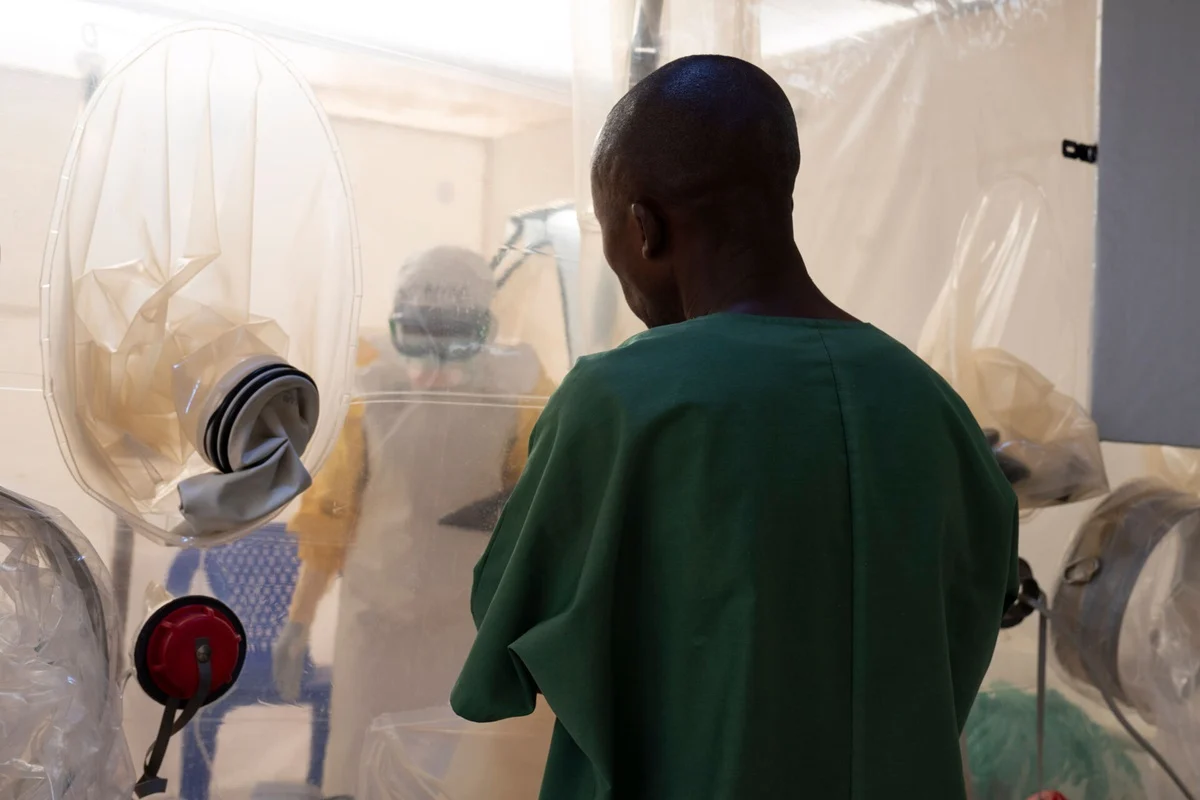
The urgency underpinning this clinical investigation is underscored by the severe public health threat posed by Bundibugyo virus. BVD, belonging to the genus Ebolavirus, is characterized by its capacity to induce severe hemorrhagic fever in humans, with symptoms typically manifesting as sudden onset of fever, intense weakness, muscle pain, headache, and sore throat, followed by vomiting, diarrhea, rash, impaired kidney and liver function, and in some cases, both internal and external bleeding. The disease has afflicted numerous communities, particularly in the Democratic Republic of the Congo, where an ongoing outbreak has seen over 1,400 individuals diagnosed. Tragically, approximately 440 of these patients have succumbed to the illness, highlighting a case fatality rate that can exceed 30%. While some 210 individuals have recovered, the absence of targeted treatments leaves healthcare providers with only supportive care options, making the search for specific antivirals and immunotherapies a high-priority endeavor.
The PARTNERS trial is meticulously designed to evaluate the efficacy and safety of two distinct investigational therapies: a monoclonal antibody designated MBP134, and the broad-spectrum antiviral drug remdesivir. Monoclonal antibodies, such as MBP134, are laboratory-produced molecules engineered to mimic the body’s natural antibodies. They are designed to specifically target and neutralize viral particles, thereby preventing the virus from infecting cells or helping the immune system clear existing infections. Remdesivir, on the other hand, is a nucleoside analog that interferes with the viral replication process by inhibiting RNA polymerase, an enzyme crucial for the virus to make copies of itself. Beyond assessing these agents individually, the trial will also investigate the potential synergistic benefits of administering MBP134 and remdesivir in combination, a strategy that could offer enhanced viral suppression and improved patient outcomes. The selection of these particular treatments was not arbitrary; it followed a rigorous review process by the World Health Organization (WHO) Technical Advisory Group, which carefully weighed scientific evidence derived from preclinical research, safety profiles, and insights gleaned from previous epidemic responses.
The collaborative spirit driving this monumental research effort is truly global in scope. The PARTNERS trial is officially sponsored by the World Health Organization, affirming its critical importance on the international health agenda. Operational coordination is a shared responsibility among several esteemed institutions: the Institut National de Recherche Biomédicale (INRB) in the Democratic Republic of the Congo, a pivotal national institution with extensive experience in infectious disease research and outbreak response; the Institute of Tropical Medicine in Belgium, recognized for its expertise in tropical medicine and public health; and the University of Oxford in the United Kingdom, through its Pandemic Sciences Institute, which brings world-class research capabilities to the initiative. Further crucial support is provided by the Africa Centres for Disease Control and Prevention (Africa CDC), reinforcing regional scientific capacity and coordination. This intricate web of partnerships, extending to numerous international research, clinical, and humanitarian organizations, exemplifies the concerted global commitment required to confront emerging infectious diseases effectively.
A distinctive feature of the PARTNERS trial is its innovative "platform adaptive randomized design." This cutting-edge methodological approach offers unparalleled flexibility, allowing for the seamless incorporation of additional promising therapeutic candidates into the trial as they become available and undergo initial assessment by the WHO Technical Advisory Group. This adaptive framework is particularly advantageous in dynamic outbreak settings, enabling researchers to respond swiftly to new scientific developments without having to establish entirely new trial infrastructure. This design ensures that the research remains agile and responsive, maximizing the chances of identifying effective treatments in the shortest possible timeframe. As Professor Amanda Rojek, the PARTNERS Trial Operations Lead and Associate Professor of Health Emergencies at the Pandemic Sciences Institute, University of Oxford, articulated, a key lesson from recent outbreaks is the imperative to integrate research directly into the response, rather than conducting it retrospectively. This trial embodies that principle, aiming to generate actionable evidence within months, not years, to directly inform patient care during the current crisis.
Patients participating in the PARTNERS trial are receiving comprehensive care, extending beyond the investigational treatments. The trial is enrolling individuals of any age who have a confirmed diagnosis of Bundibugyo virus disease. Throughout their participation, patients benefit from a high standard of early supportive care provided by the participating treatment units, in strict adherence to WHO treatment guidelines. This includes essential interventions such as oral or intravenous fluid administration for rehydration, meticulous electrolyte replacement to correct imbalances, oxygen support when respiratory distress is present, careful management of blood pressure, and effective pain control. This holistic approach ensures that patient well-being and safety remain paramount, irrespective of the specific treatment arm they are assigned to. Furthermore, all enrolled individuals will receive close monitoring and follow-up for a minimum period of 28 days post-enrollment, ensuring continuous assessment of their health status and any potential adverse events. An independent data and safety monitoring board provides continuous oversight, regularly reviewing study data to safeguard patient welfare and ensure the integrity of the trial.
The leadership in the Democratic Republic of the Congo has demonstrated unwavering commitment to advancing scientific research as a cornerstone of public health. Dr. Samuel Roger Kamba, the Minister of Health of the DRC, emphasized that the launch of the PARTNERS clinical trial signifies a momentous stride forward, rekindling optimism for patients, their families, and the communities grappling with this disease. He articulated a vision where the findings from this study will not only contribute to identifying more efficacious therapeutic options for the current outbreak, thereby saving lives, but also bolster global preparedness strategies for future Ebola epidemics. This commitment is echoed by Professor Jean-Jacques Muyembe-Tamfum, Director-General of the INRB, who highlighted the critical importance of integrating this trial into routine clinical care. By doing so, patients gain access to promising investigational treatments while simultaneously generating the robust evidence needed to refine and improve care protocols for both present and future outbreaks.
The broader implications of the PARTNERS trial extend far beyond the immediate context of the current Bundibugyo virus outbreak in the DRC. This initiative is deliberately structured to serve as a sustainable research platform capable of operating seamlessly across multiple outbreaks, providing a systematic mechanism to generate evidence on safe and effective treatments for the entire spectrum of Ebola and Marburg diseases. This proactive, long-term vision is a direct consequence of lessons learned from previous epidemics, where the rapid deployment of research infrastructure proved challenging. By establishing a robust, adaptable platform, the global health community aims to be better prepared to respond to future filovirus threats, ensuring that effective medical countermeasures are identified and validated with unprecedented speed. The insights gained from this study are poised to contribute significantly to global health security, fortifying the collective capacity to mitigate the devastating impact of viral hemorrhagic fevers worldwide.
The collaborative framework underpinning the PARTNERS trial also involves crucial on-the-ground partnerships with the Ministry of Public Health of the Democratic Republic of the Congo, ALIMA (The Alliance for International Medical Action), and outbreak response teams from Médecins Sans Frontières (MSF). These organizations bring invaluable clinical experience, logistical capabilities, and deep community engagement expertise to the effort, which are indispensable for conducting complex clinical trials in challenging outbreak environments. The synergy between international research institutions, national health authorities, and humanitarian organizations is a testament to the comprehensive approach required to tackle such intricate global health challenges. The commencement of patient enrollment in the PARTNERS trial represents not merely the start of a scientific study, but a powerful symbol of international solidarity and unwavering determination in the ongoing battle against deadly infectious diseases.
About the Author