Ancient Jordan, a land steeped in history and trade routes, now offers a stark and poignant testament to the devastating power of disease, as a remarkable archaeological discovery in the city of Jerash is fundamentally reshaping our understanding of the first recorded pandemic to sweep across the Mediterranean. A multidisciplinary team of scholars, spearheaded by researchers from the University of South Florida, has meticulously unearthed and analyzed a mass burial site, providing unprecedented insights into the human toll and societal disruption wrought by the Plague of Justinian, a calamitous outbreak that ravaged the Byzantine Empire between the 6th and 8th centuries CE. This groundbreaking research, detailed in the Journal of Archaeological Science, moves beyond simply identifying the causative agent of the disease to painting a vivid portrait of life and death within an ancient metropolis facing an existential threat.
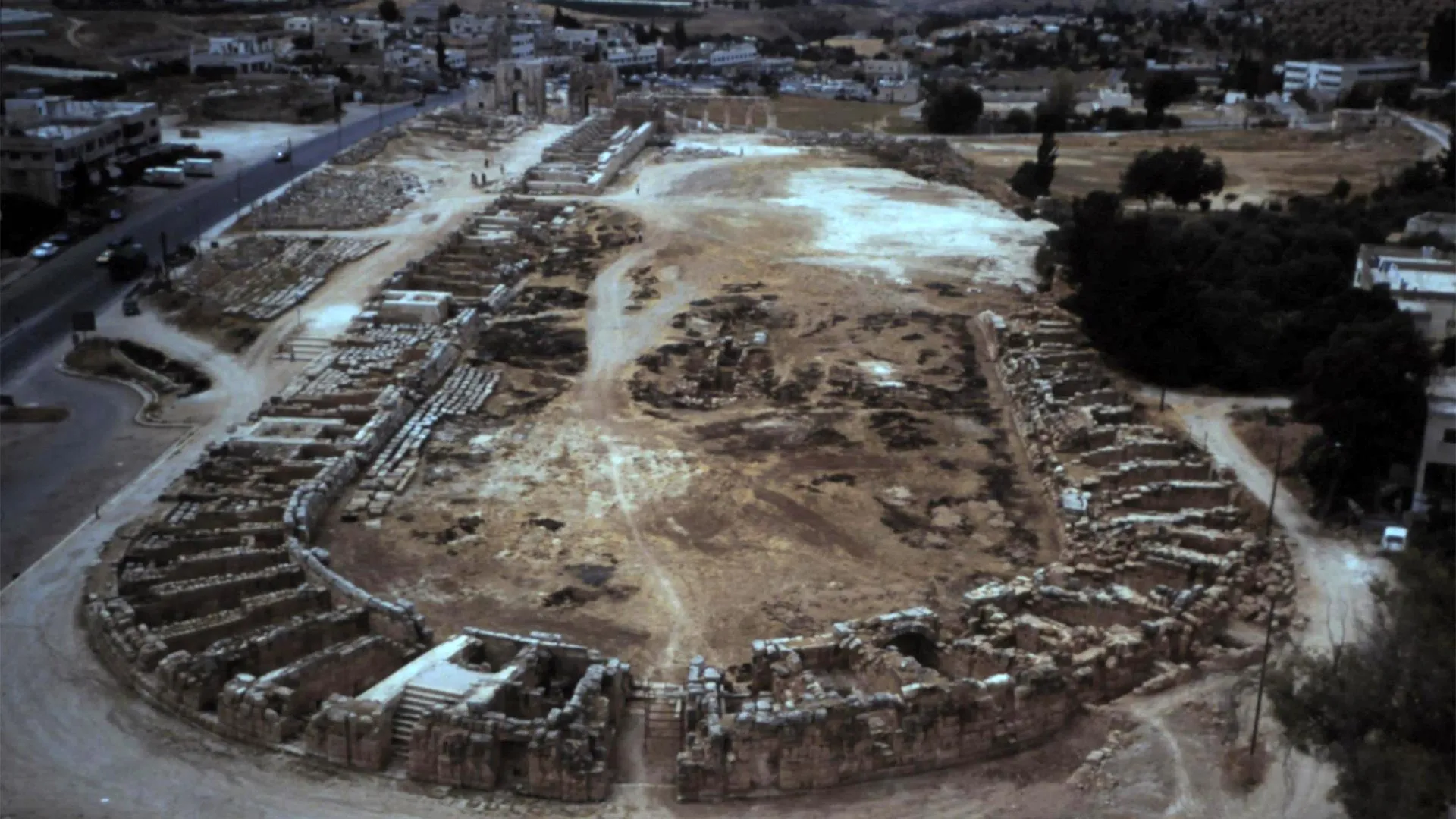
The focus of this extensive investigation is a singular, extraordinary burial site within Jerash, a city that was once a thriving urban center. Unlike conventional cemeteries, which typically represent the slow accumulation of individuals over extended periods, this particular location reveals a far more abrupt and horrifying reality. Evidence points to hundreds of individuals being interred with haste, piled atop shattered pottery in a designated public space, suggesting a desperate and overwhelming response to a sudden surge in mortality. This discovery marks a pivotal moment in the study of historical pandemics, offering the first unequivocally confirmed mass grave directly linked to the Plague of Justinian, substantiated by both rigorous archaeological excavation and advanced genetic analysis.
For years, historical texts have alluded to widespread sickness and mortality during the Byzantine era, but concrete, irrefutable evidence of plague-related mass mortality has remained elusive. The Jerash site, however, provides that definitive proof. By examining the skeletal remains and the surrounding artifacts, researchers have been able to reconstruct the grim final moments of a community overwhelmed by illness. This archaeological window offers a stark contrast to the often abstract narratives of historical plagues, allowing scholars to delve into the tangible impact on the lives of ordinary people, their daily routines, and the profound ways in which their society grappled with an invisible enemy.
The research team, a collaborative effort involving experts in bioarchaeology, genomics, infectious diseases, anthropology, molecular medicine, and history, sought to transcend the purely etiological identification of the pathogen. Their primary objective was to understand the lived experience of the pandemic – to identify the individuals affected, to glean details about their lifestyles, and to visualize the grim reality of mass death within the confines of a functioning city. This ambition was realized through the meticulous excavation and analysis of the Jerash site, which serves as a powerful humanizing element to the broader historical narrative of the Plague of Justinian.
The implications of the Jerash findings extend to resolving long-standing debates within historical demography and the study of ancient mobility. While historical and genetic evidence has increasingly suggested significant movement and interaction among populations across vast distances in the ancient world, archaeological findings from burial sites have often indicated more localized communities. The Jerash mass grave demonstrates that these two seemingly contradictory observations can, in fact, coexist. The individuals interred here appear to have originated from a more mobile segment of the population, individuals who would have typically been dispersed throughout the wider urban and regional landscape. Their presence in a single, hastily prepared burial site signifies a convergence during a moment of extreme crisis, making previously "hidden" connections readily apparent.
This suggests that while migration and intermingling were indeed commonplace, their effects were often diffused and integrated into the fabric of daily life over generations, making them difficult to discern through conventional archaeological means. However, catastrophic events like a devastating pandemic can act as a crucible, forcing populations to congregate and revealing patterns of movement and social interaction that would otherwise remain obscured. The Jerash burial site, therefore, provides compelling evidence that the individuals interred belonged to a dynamic and interconnected populace, united in death by the indiscriminate force of the plague.
The interdisciplinary nature of the research was crucial to its success. While earlier phases of the study focused on identifying Yersinia pestis, the bacterium responsible for bubonic plague, this latest work emphasizes the translation of that genetic signal into a human story. By integrating biological evidence derived from the skeletal remains with the contextual information provided by the archaeological setting, the researchers have been able to reconstruct a holistic picture of how the disease impacted real people within their specific social and environmental circumstances. This approach is instrumental in shifting our perception of historical pandemics from mere textual records of outbreaks to tangible, lived human health events.
The lessons learned from the Jerash excavation are not confined to antiquity. The research underscores the profound interconnectedness of biological, social, and environmental factors in the unfolding of pandemics, a reality that resonates strongly with contemporary global health challenges. Factors such as dense urban populations, extensive travel networks, and environmental shifts, which played significant roles in the spread and impact of the Plague of Justinian, remain critical drivers of disease transmission today. Pandemics, the study argues, are not solely biological phenomena; they are deeply social events that expose vulnerabilities within societies, influencing daily life, population movement, and societal structures.
The insights gleaned from the Jerash site are actively contributing to a paradigm shift in how scientists conceptualize and study pandemics. The emphasis is moving beyond the mechanics of pathogen transmission to a more nuanced understanding of how these health crises reshape societies, influence human behavior, and reveal pre-existing inequalities and vulnerabilities. The patterns of vulnerability exposed by past pandemics, the research suggests, continue to shape how diseases affect communities in the present day, offering critical lessons for public health preparedness and response strategies.
The collaborative nature of this research highlights the power of bringing together diverse scientific disciplines to tackle complex historical and epidemiological questions. The University of South Florida team, under the leadership of Professor Rays H. Y. Jiang, included numerous researchers and collaborators from various departments and institutions, underscoring the global reach and interdisciplinary commitment required for such significant undertakings. This comprehensive approach ensures that the human dimension of historical crises is not lost amidst scientific inquiry, providing a richer and more complete understanding of our shared past and its enduring relevance.
About the Author