Decoding the Cellular Underpinnings of Mood Regulation: A Novel Glimpse into Depression’s Neurological Architecture.
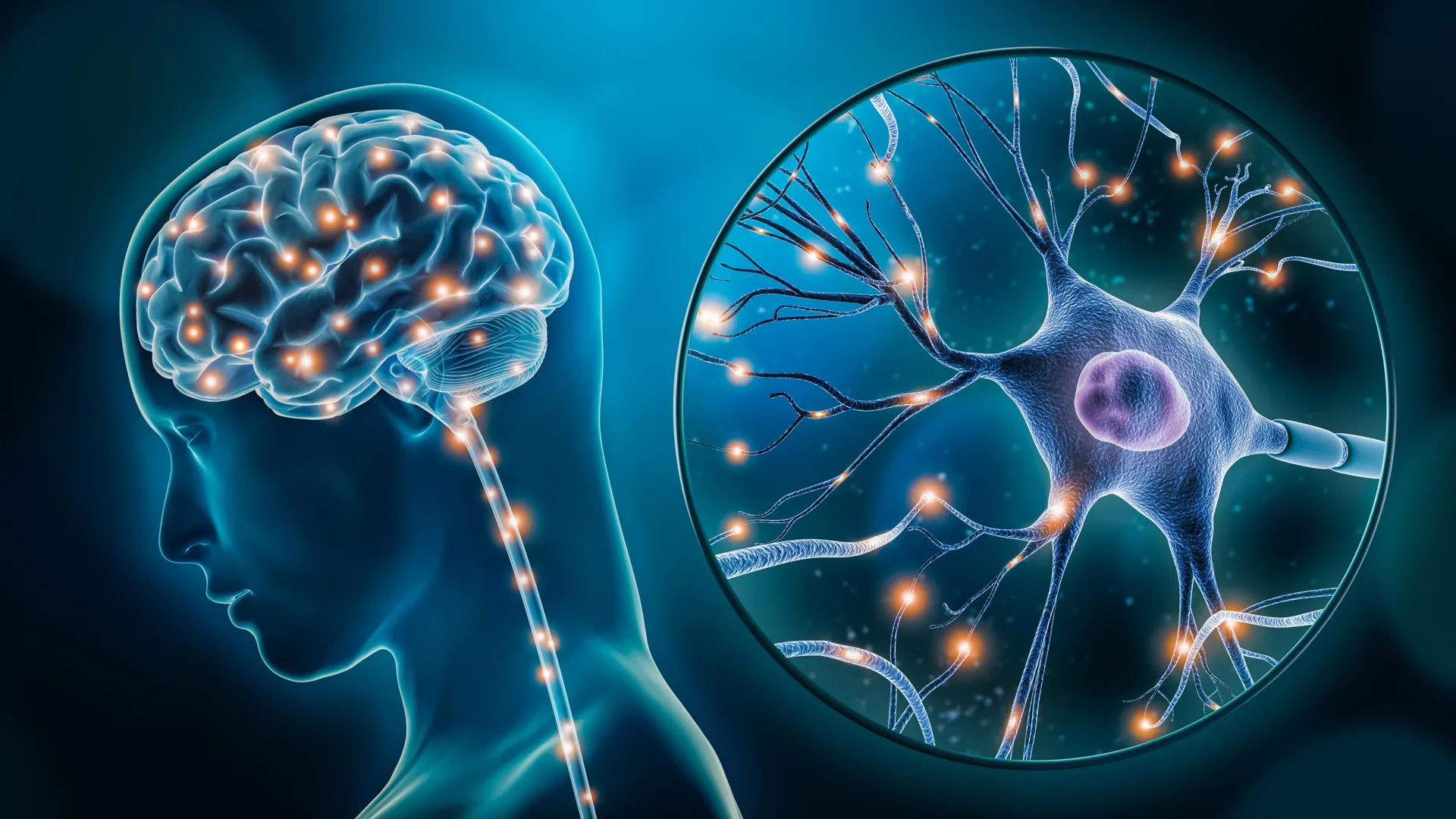
A groundbreaking investigation has illuminated the specific cellular populations within the human brain that exhibit distinct functional alterations in individuals experiencing depression, marking a pivotal advancement in understanding this pervasive mental health challenge. This seminal research, spearheaded by a collaborative effort between McGill University and the Douglas Institute, has meticulously mapped gene expression patterns within individual brain cells, thereby offering unprecedented clarity on the biological mechanisms at play in major depressive disorder. The findings, disseminated in the esteemed scientific journal Nature Genetics, not only provide crucial insights for the development of targeted therapeutic interventions but also significantly deepen our comprehension of depression, a condition that casts a long shadow over the lives of over 264 million people globally and represents a substantial contributor to the worldwide burden of disability.
"For the first time in scientific history, we have achieved the ability to precisely identify the specific types of brain cells impacted by depression through an integrated analysis of gene activity and the intricate mechanisms governing our DNA," articulated Dr. Gustavo Turecki, the senior author of the study, a distinguished professor at McGill University, a clinician-scientist affiliated with the Douglas Institute, and a Canada Research Chair in Major Depressive Disorder and Suicide. "This comprehensive approach affords us a remarkably sharper perspective on the precise locations of neural disruptions and the particular cellular players involved."
The investigative team’s remarkable breakthrough was made possible by the judicious utilization of post-mortem brain tissue samples generously donated to the Douglas-Bell Canada Brain Bank. This unique repository stands as one of the world’s preeminent collections, housing invaluable brain tissue from individuals who, during their lives, battled psychiatric conditions. Such a resource is exceptionally rare and serves as an indispensable cornerstone for the biological exploration of mental health disorders.
Employing sophisticated single-cell genomic techniques, the researchers meticulously examined both RNA and DNA from thousands of individual brain cells. This cutting-edge methodology enabled them to discern which specific cells demonstrated divergent behavior in individuals diagnosed with depression compared to control subjects, and critically, to identify the underlying genetic signatures that might account for these observed differences. The scope of the study encompassed biological samples from 59 individuals formally diagnosed with depression and 41 individuals who did not have the condition, providing a robust comparative framework.
The detailed analysis unveiled significant alterations in gene expression within two principal categories of brain cells. The first category comprises a population of excitatory neurons, fundamental to the intricate orchestration of mood states and the brain’s adaptive responses to stress. The second category identified involves a specific subtype of microglia, the brain’s resident immune cells, which play a crucial role in modulating neuroinflammation. In both of these critical cell types, a substantial number of genes exhibited differential activity levels in individuals with depression, strongly suggesting a deviation from normal functional pathways. These cellular disruptions offer a compelling biological explanation for the pathogenesis of depression, shedding light on how the disorder may manifest at a fundamental neurological level.
This precise identification of implicated cell types significantly bolsters the scientific consensus that depression possesses a tangible biological basis, moving beyond purely subjective or psychological interpretations. It directly challenges more antiquated perspectives that have historically relegated the condition to the realm of emotional or psychological distress, underscoring the need for a neurobiological understanding. "This body of research emphatically corroborates what decades of neuroscience have consistently indicated," Dr. Turecki emphasized. "Depression is not merely an emotional experience; it is intrinsically linked to quantifiable, measurable changes occurring within the brain’s complex architecture."
Looking ahead, the research team is poised to embark on the next crucial phase of their investigation, focusing on elucidating how these identified cellular discrepancies translate into broader impairments in overall brain function. Furthermore, a key objective is to ascertain the potential of developing therapeutic strategies that specifically target these identified cell types, with the ultimate aim of creating more efficacious and personalized treatments for depression. The research paper, bearing the title "Single-nucleus chromatin accessibility profiling identifies cell types and functional variants contributing to major depression," authored by Anjali Chawla and Gustavo Turecki et al., has been formally published in Nature Genetics. The vital research initiatives underpinning this study received generous financial support from a consortium of esteemed organizations, including the Canadian Institutes of Health Research, the Brain Canada Foundation, the Fonds de recherche du Québec – Santé, and the Healthy Brains, Healthy Lives initiative at McGill University. This collaborative funding underscores the widespread recognition of the critical importance of advancing our understanding of depression’s biological underpinnings.

Related News