The Power of Belief: Conscious Placebo Use Enhances Cognitive and Physical Health in Older Adults
New research emerging from the University Cattolica in Milan, conducted by a team of psychologists, has unveiled a remarkable phenomenon: the potential for inactive substances, when embraced with a conscious understanding of their nature, to elicit tangible improvements in the physical and cognitive capabilities of older adults. This groundbreaking study, published in the International Journal of Clinical and Health Psychology, delved into the complex interplay between psychological expectation and physiological outcomes, demonstrating that even when participants were fully aware that the pills they were taking contained no active medicinal compounds, significant enhancements in performance were observed. The research, spearheaded by Diletta Barbiani, Alessandro Antonietti, and Francesco Pagnini, received crucial backing from PNRR grants through the Age-IT project, underscoring its significance in advancing our understanding of healthy aging.
Professor Francesco Pagnini, a distinguished Full Professor of Clinical Psychology at the Faculty of Psychology at the University Cattolica, highlighted the study’s alignment with an ongoing area of scientific inquiry. "This investigation is a vital component of a well-established research trajectory focused on dissecting the profound influence of the mind on the intricate processes of aging, a factor of paramount importance," Professor Pagnini articulated. The core objective of this particular study was to explore uncharted territory within placebo research. While the efficacy of traditional, deceptive placebos has been documented across various conditions, this investigation sought to ascertain whether an "open-label" placebo – a treatment where participants are explicitly informed that the substance is inactive but can still trigger beneficial psychosomatic responses – could positively impact a range of abilities that are typically susceptible to age-related decline.
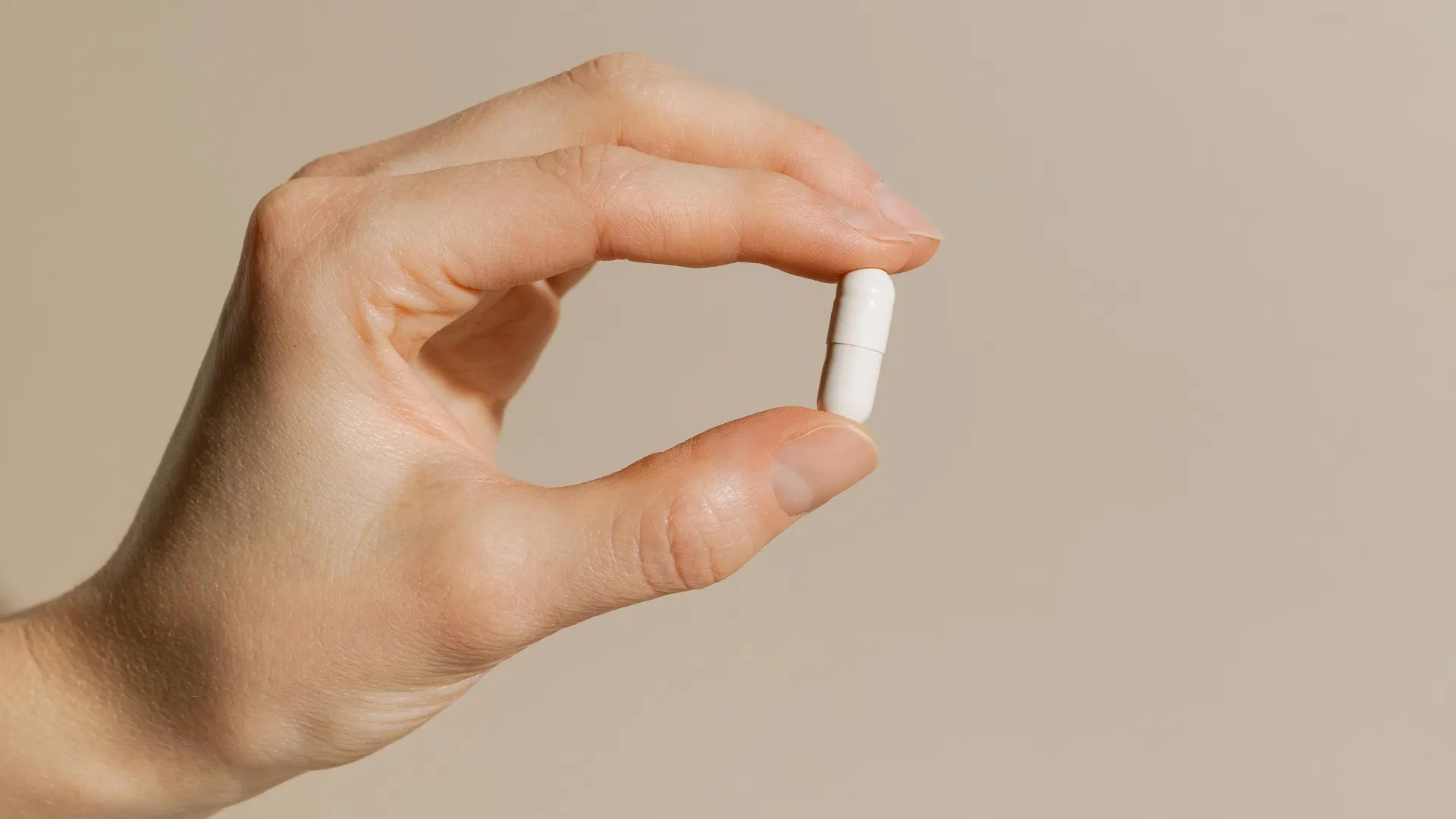
To rigorously examine this hypothesis, the research team meticulously recruited ninety healthy older adults residing within their communities. These participants were then randomly allocated into one of three distinct experimental conditions. The first cohort served as a control group, receiving no form of intervention throughout the study period. The second group was administered placebo pills, but with the understanding that these pills contained active ingredients specifically formulated to enhance overall well-being and physical vitality, thus employing a conventional, deceptive placebo approach. The third and arguably most intriguing group received identical inactive pills, yet they were fully and transparently informed that these were placebos, explicitly explaining that their potential for benefit stemmed from the mind-body connection rather than pharmacological action.
The experimental protocol involved a comprehensive battery of assessments conducted both at the commencement of the three-week intervention and immediately following its conclusion. Participants engaged with a series of detailed questionnaires designed to gauge subjective experiences, including levels of perceived stress, overall psychological well-being, tendencies towards sleepiness and fatigue, their outlook on life (optimism), their belief in their own capabilities (self-efficacy), and their attitudes towards aging itself, including any prevailing societal stereotypes. Complementing these self-report measures, participants also underwent objective testing designed to quantify their performance in key areas: short-term memory recall and the ability to focus attention selectively, alongside their physical performance capabilities.
Upon the completion of the three-week intervention period, the findings presented a compelling narrative. Participants in the group that knowingly consumed open-label placebo pills reported experiencing significantly lower levels of stress compared to both the group that received deceptive placebos and the control group that received no treatment. Furthermore, this group demonstrated statistically significant improvements in their short-term memory function when juxtaposed with individuals in the untreated control group. Broadly speaking, both groups that received placebo treatments, irrespective of whether they were aware of the placebo’s nature, exhibited measurable gains in both cognitive and physical performance. However, the most pronounced and consistent enhancements were observed among the participants who were fully cognizant that they were engaging with a placebo intervention.
Quantifying these effects, physical performance saw an increase of 7% in the deceptive placebo group and a more substantial 9.2% in the open-label placebo group. Cognitive performance also registered notable improvements. Depending on the specific cognitive test employed, scores among participants who believed they were receiving an active supplement saw an uplift ranging from 12.6% to 14.6%. In contrast, those who knowingly took the placebo pills demonstrated even more impressive gains, with scores on various cognitive tests improving between 6.9% and an impressive 21.5%. "These observed effects are not merely marginal; they represent significant and clinically relevant changes," Professor Pagnini emphasized, drawing a powerful parallel. He noted that the magnitude of these improvements is comparable to the effects documented in some experimental studies investigating the impact of structured physical activity on physical performance and cognitive training programs, particularly in the domain of memory enhancement. Beyond cognitive and physical metrics, researchers also noted a reduction in reported drowsiness across the placebo groups, with stress levels showing the most pronounced improvement among those participants who were fully informed about the placebo nature of their treatment.
These findings collectively suggest a promising new avenue for promoting healthy aging. The research indicates that placebo interventions, particularly those administered with full transparency regarding their inactive nature, can effectively enhance multiple facets of functioning in older adults. Crucially, the open-label placebo approach not only matched but, in several instances, surpassed the benefits observed with traditional deceptive placebos. This ethical transparency, coupled with demonstrable efficacy, positions open-label placebos as a potentially valuable and ethically sound strategy for supporting the well-being and functional capacity of the aging population. Professor Pagnini reiterated that these results contribute to an expanding body of scientific evidence underscoring the critical role of psychological factors in the aging process. He elaborated that an individual’s thoughts, emotional states, and self-perceptions possess the remarkable capacity to influence not only their subjective psychological experience but also their objective physical capabilities and cognitive acuity, thereby illuminating the profound and inseparable connection between the mind and the body.

Related News