A significant advancement in dental technology is poised to transform patient care, offering the prospect of permanent, high-quality dental restorations crafted from zirconia through 3D printing within a single appointment. Researchers at the University of Texas at Dallas have pioneered a novel technique that dramatically accelerates the post-printing processing of zirconia, overcoming a critical hurdle that has previously limited the widespread adoption of same-day 3D-printed permanent dental prosthetics. This innovation, supported by the National Science Foundation (NSF), aims to bring custom-fitted, durable crowns, bridges, veneers, and other restorative dental solutions directly to the patient’s chairside in a matter of hours, rather than weeks or months.
The material of choice for permanent dental work, zirconia, is celebrated for its exceptional strength, resilience, and biocompatibility, making it the benchmark for long-lasting dental prosthetics. However, its inherent properties have also presented considerable challenges for rapid fabrication via additive manufacturing. While 3D printing offers unparalleled precision in customization and the potential for perfect shade matching to a patient’s natural teeth, and can also streamline production, leading to reduced costs and minimized material waste, the path to creating robust zirconia restorations has been protracted. Existing same-day 3D-printed dental options typically rely on ceramic resins, which, while faster to process, do not possess the robust structural integrity of zirconia.
Currently, when same-day zirconia restorations are available in some dental practices, they are predominantly produced using subtractive manufacturing methods, specifically milling. This process involves meticulously carving the required shape from a solid block of zirconia. While effective, milling can impose limitations on the complexity of the final design and introduces a risk of developing micro-cracks during either the milling or the subsequent sintering phase, potentially compromising the long-term durability of the restoration. The breakthrough achieved by the UT Dallas team addresses this fundamental challenge, streamlining the post-production pipeline significantly.
The intricate process of transforming a 3D-printed zirconia object into a finished, functional dental restoration typically involves two crucial stages: debinding and sintering. Debinding is a controlled heating process designed to meticulously remove the binder material – often a polymer – that holds the fine zirconia particles together during the printing phase. Historically, this slow and delicate procedure could demand anywhere from 20 to an astonishing 100 hours to complete. Following successful debinding, the component undergoes sintering, a high-temperature firing process akin to firing pottery in a kiln. This intense heat causes the individual zirconia particles to fuse together, creating a dense, exceptionally strong, and hardened ceramic structure.
"The debinding phase has consistently been the primary bottleneck in the entire process," explained Dr. Majid Minary, a professor of mechanical engineering at the Erik Jonsson School of Engineering and Computer Science and the corresponding author of the research paper detailing this advancement. "It necessitates an extremely gradual heating profile. Any attempt to accelerate this stage risks the rapid volatilization of the polymer binder into gas. If this escaping gas cannot be effectively vented, it can lead to catastrophic failures, such as cracking or fracturing of the crown. A debinding period of 20 to 100 hours is simply not feasible for same-day dental services, which has been a significant impediment to the commercial availability of 3D-printed permanent zirconia restorations."
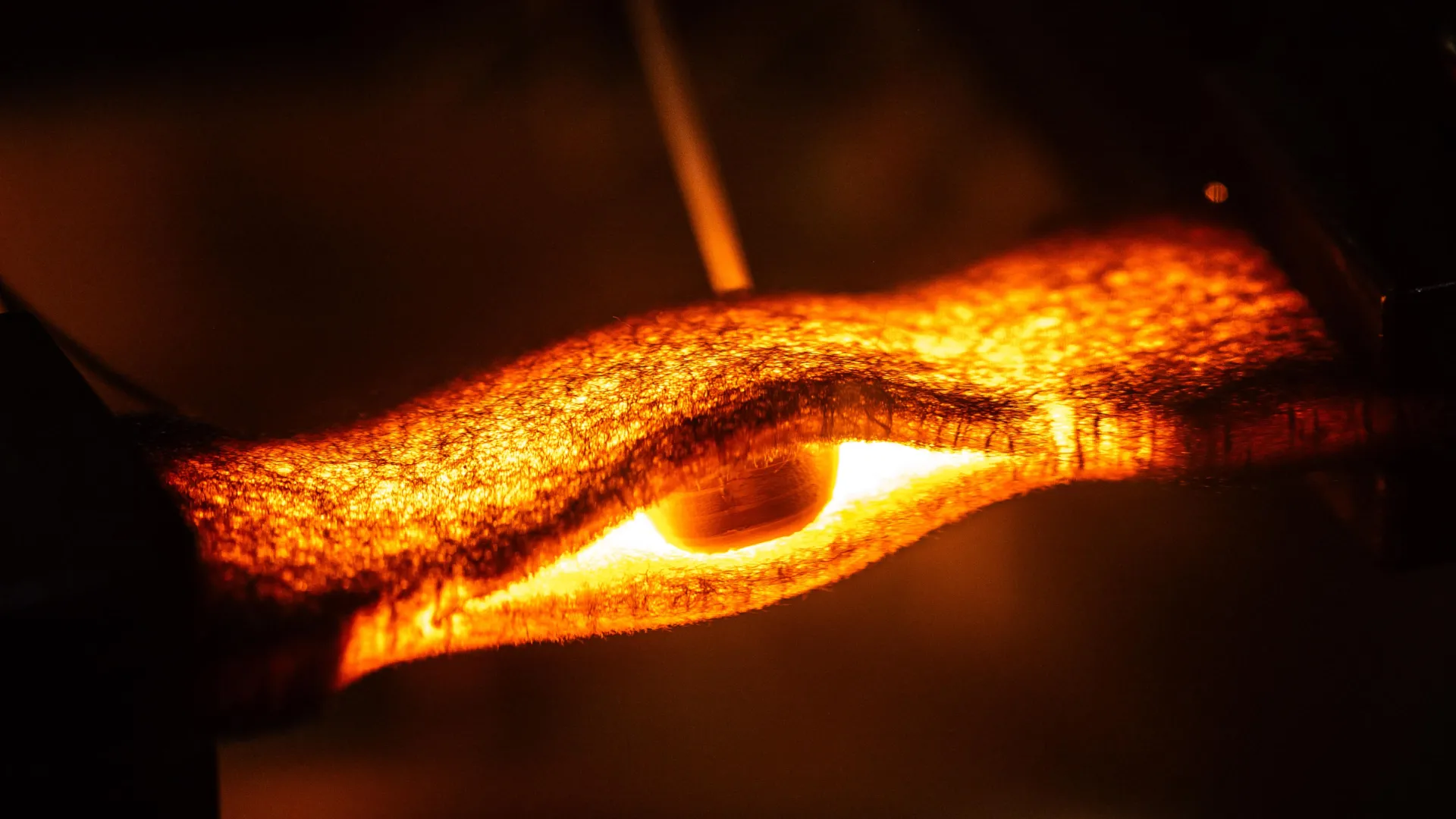
The novel technology developed at UT Dallas has successfully reduced the debinding stage to under 30 minutes, effectively dismantling one of the most significant barriers to offering same-day permanent 3D-printed zirconia dental restorations. This revolutionary approach integrates enhanced heat transfer mechanisms with a specialized porous graphite felt material, capable of reaching extreme temperatures exceeding 2,550 degrees Fahrenheit. The felt meticulously envelops the 3D-printed zirconia restoration, providing a critical pathway for the gases released from the binder to escape. Simultaneously, an integrated vacuum system efficiently evacuates these released gases from the immediate vicinity, preventing any build-up that could compromise the integrity of the material.
"The synergistic combination of these carefully engineered elements is precisely what makes this method so effective," Dr. Minary further elaborated. "With the implementation of our technology, a dental practitioner wishing to offer chairside 3D-printed zirconia crowns could feasibly provide a finished restoration to a patient within just a few hours."
The journey from laboratory innovation to widespread clinical application is now underway, with the UT Dallas team, under Dr. Minary’s leadership, actively collaborating with Pan-AM Dental Laboratory to expedite the commercialization process. This ambitious undertaking has received a substantial boost in the form of a $550,000 grant (award number 2431684) through the NSF’s Partnerships for Innovation—Technology Translation initiative, underscoring the significant potential and anticipated impact of this research.
Further bolstering the commercialization efforts are partnerships with 3DCeram Sinto Inc., located in Grand Ledge, Michigan, and Dr. Amirali Zandinejad, a distinguished prosthodontist practicing in Arlington, Texas, who also holds a former associate professorship at the Texas A&M University College of Dentistry. The research team responsible for this groundbreaking work also includes Mahdi Mosadegh, the lead author and a doctoral student in mechanical engineering, alongside fellow mechanical engineering doctoral candidates Moein Khakzad and Kalyan Nandigama, and chemistry doctoral student Zahra Sepasi. Dr. Golden Kumar, an associate professor of mechanical engineering at UT Dallas, also contributed significantly to the project. Funding for this vital research was also provided by the U.S. Air Force Office of Scientific Research, in addition to the NSF.
The implications of this technological leap are far-reaching. Patients could soon experience a significantly improved dental care journey, marked by reduced appointment times, enhanced treatment personalization, and the immediate provision of permanent, aesthetically pleasing, and highly durable restorative solutions. This innovation has the potential to redefine the patient experience in restorative dentistry, making advanced, high-quality care more accessible and efficient than ever before. The ability to produce custom-fit zirconia restorations on-demand promises to alleviate the need for temporary fillings or multiple visits, thereby minimizing patient discomfort and anxiety associated with extended treatment timelines. Furthermore, the precision afforded by 3D printing could lead to improved fitting and longevity of dental prosthetics, potentially reducing the long-term need for replacements or adjustments. The streamlined manufacturing process also holds the promise of contributing to a more sustainable dental industry by reducing material waste associated with traditional methods.
About the Author