The intricate symphony of life within every human cell relies on the precise orchestration of genetic information, a process where genes are switched on and off at critical moments and in specific cellular contexts. This delicate control over gene expression is paramount for healthy development, tissue maintenance, and the body’s dynamic responses to its environment. When this finely tuned system falters, cells can deviate from their normal functions, contributing to the onset and progression of a wide array of human diseases, notably including various forms of cancer, where uncontrolled cellular proliferation is a hallmark. For decades, scientists have sought to fully decipher the complex regulatory elements embedded within our DNA that govern these essential genetic commands.
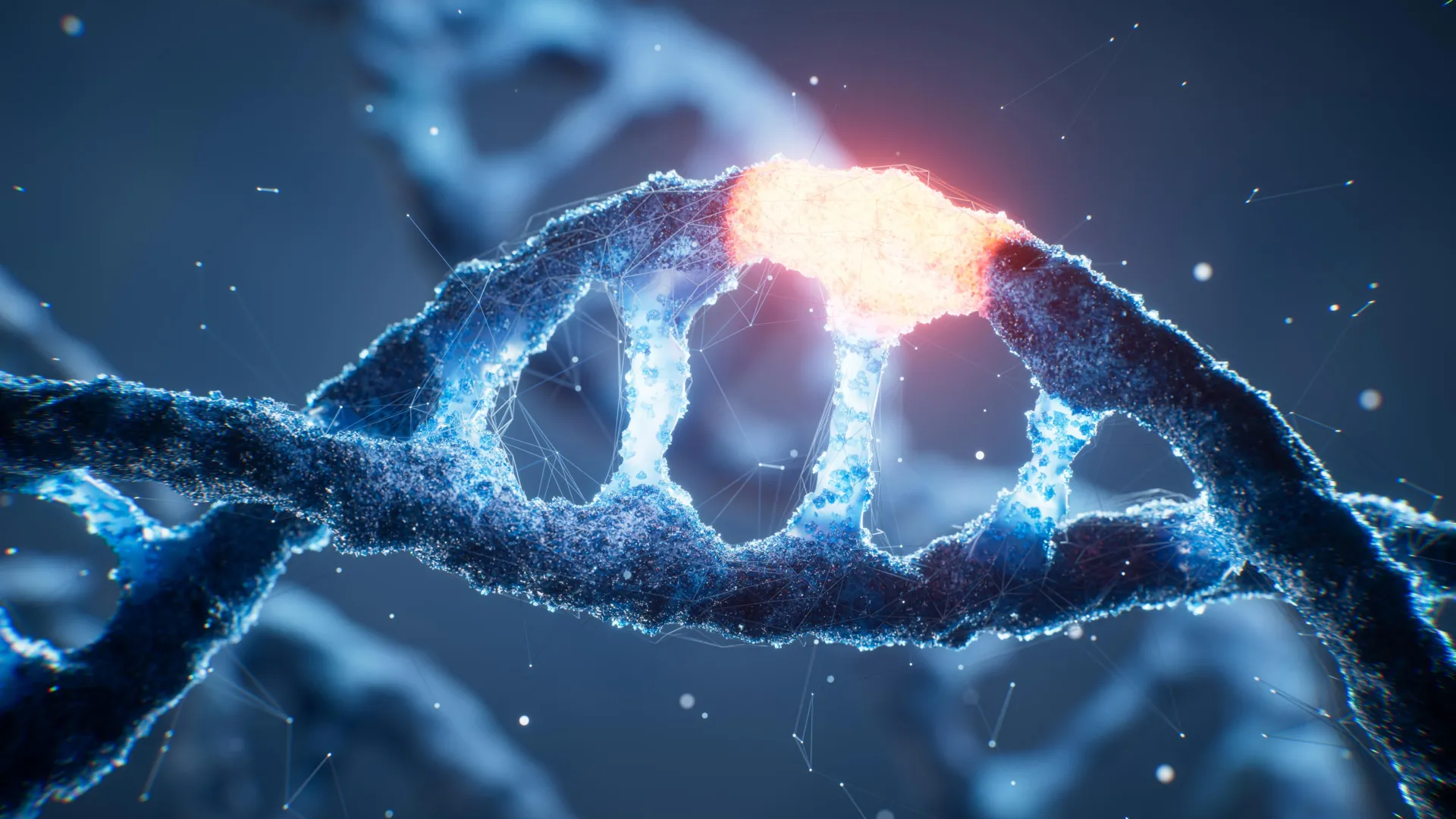
Among the myriad of DNA sequences that dictate when and where a gene springs to life, a particularly fundamental, yet elusive, element is the "initiator." This specific sequence acts as a crucial molecular landmark, signaling the precise starting point for transcription—the initial step in converting a gene’s encoded information into a functional product, such as enzymes, hormones, or structural proteins. Its importance lies in ensuring that the genetic blueprint is read accurately and efficiently, laying the groundwork for all subsequent cellular activities. Despite its central role in the fidelity and efficiency of gene expression, the exact sequence patterns defining the initiator in humans have remained largely undeciphered due to their subtle nature and contextual dependencies within the vast expanse of the human genome.
A pioneering research team at the University of California San Diego, led by Professor James T. Kadonaga from the Department of Molecular Biology, School of Biological Sciences, and spearhead by graduate student researcher Torrey Rhyne-Carrigg, has made a significant leap forward in understanding this critical genomic component. Their innovative approach combined cutting-edge laboratory experimentation with the formidable analytical power of artificial intelligence (AI) to finally decode the characteristic DNA signature of the initiator element. This breakthrough promises to profoundly advance our comprehension of gene regulation and its implications for human health.
The methodology employed by the UC San Diego researchers was both ambitious and meticulous. Recognizing the limitations of traditional analytical methods in sifting through the immense complexity of genetic sequences, they first embarked on an extensive experimental phase. The team meticulously engineered and synthesized approximately 500,000 distinct variants of the initiator DNA element. This massive library of synthetic sequences allowed them to systematically explore a vast landscape of potential initiator configurations. For each of these half-million variants, the scientists precisely measured its corresponding gene expression activity, effectively quantifying how strongly each specific DNA sequence promoted the initiation of gene transcription. This high-throughput experimental approach generated an unprecedented dataset, linking specific DNA sequence patterns to their functional output in terms of gene activation.
The true power of their approach emerged in the subsequent computational phase, where this voluminous experimental data was fed into a sophisticated machine learning system—a form of artificial intelligence specifically adept at identifying subtle, complex patterns within large datasets that might be imperceptible to human analysis. The AI model was rigorously trained using the paired information of initiator sequences and their measured gene expression levels. Through this iterative learning process, the machine learning algorithm developed an intricate understanding of the underlying biochemical rules that define a functional initiator. It effectively learned to recognize the characteristic DNA base sequence pattern—the specific arrangement of adenine (A), guanine (G), cytosine (C), and thymine (T) nucleotides—that enables the initiator to perform its critical function.
Once the AI model had successfully "decoded" this intricate genetic signature, its predictive capabilities were put to the test. The researchers deployed the trained model to scan the entire human genome, searching for instances of the newly identified initiator pattern. Their findings were remarkable: the AI model identified that roughly 60% of all human genes contain this specific initiator element. This high prevalence underscores the fundamental and widespread importance of the initiator in governing the expression of a majority of our genetic blueprint. Professor Kadonaga emphasized the novelty and robustness of these computational insights, stating, "These AI models were found to provide, for the first time, robust predictions regarding the presence or absence of the initiator in human genes, thereby successfully deciphering the specific DNA base sequence pattern defining this crucial element."
The implications of this groundbreaking discovery are far-reaching, extending across multiple domains of biomedical science. One of the most immediate impacts relates to our understanding of human diseases. By pinpointing the precise sequence of the initiator, researchers can now begin to anticipate how genetic mutations occurring within these regulatory regions might alter gene activity. A single nucleotide change in an initiator sequence could potentially lead to either the silencing of an essential gene or the aberrant activation of another, contributing to a spectrum of disorders. This newfound ability to predict the functional consequences of mutations in non-coding DNA elements is particularly critical for unraveling the etiology of complex diseases, including various cancers, neurodevelopmental conditions, and inherited genetic disorders, where regulatory defects often play a pivotal role. This understanding could pave the way for earlier diagnosis and more targeted therapeutic interventions.
Furthermore, this research opens exciting avenues in the fields of synthetic biology and gene therapy. The ability to precisely define the initiator sequence means scientists can now rationally design synthetic promoter sequences—genetic switches that can be engineered to turn specific genes on or off with unprecedented control. Such bespoke promoters could be invaluable in developing next-generation gene therapies, where the precise regulation of therapeutic gene expression is paramount to efficacy and safety. Imagine therapies that can activate a beneficial gene only in specific cell types or at particular developmental stages, minimizing off-target effects. Similarly, in biotechnology, designer promoters could optimize the production of pharmaceuticals or other valuable biomolecules in engineered cells, enhancing efficiency and yield.
More broadly, this work exemplifies a powerful paradigm shift in biological research: the synergistic integration of rigorous laboratory experimentation with advanced artificial intelligence. It highlights how computational tools can extract profound insights from vast biological datasets, accelerating the pace of discovery. As Professor Kadonaga articulated, "Globally, this work represents a significant stride in the combined application of experimental biology and AI to decode the intricate information embedded within the DNA base sequence of humans."
The human genome, comprising approximately six billion base pairs in each cell, contains not just genes, but an entire "gene expression code" that dictates the precise timing, location, and extent to which each of our genes should be activated or silenced. This newly developed AI model for the initiator is a vital, albeit initial, component of this grand regulatory code. The long-term vision is to construct comprehensive AI models that can predict the activity of all different gene variants across diverse individuals and under varying conditions. Such a complete understanding of the gene expression code would revolutionize personalized medicine, allowing clinicians to predict an individual’s susceptibility to diseases, tailor drug dosages, and design treatments based on their unique genetic regulatory landscape. Professor Kadonaga remains optimistic about the trajectory of this research, anticipating a future where AI models will increasingly expand our grasp of the human gene expression code in the years to come, unlocking unprecedented insights into health and disease. This groundbreaking achievement marks a significant milestone in our journey toward fully comprehending the molecular language of life.
About the Author