Positive Psychological Interventions Show Tangible Cardiovascular Benefits Within Weeks.
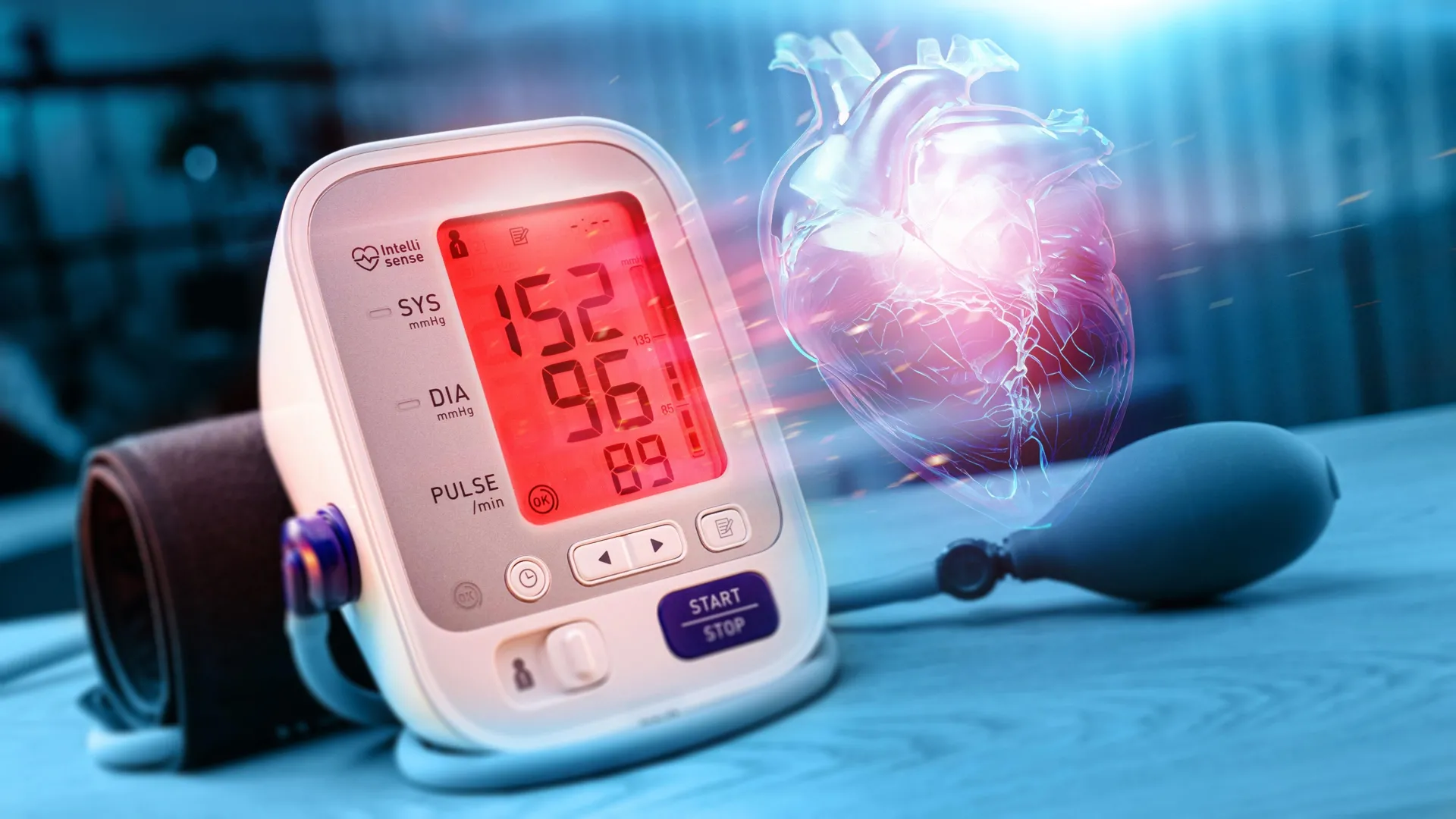
A comprehensive meta-analysis of randomized controlled trials has illuminated the significant potential of positive psychology and mindfulness-based practices to yield measurable improvements in cardiovascular health markers, often within an eight to twelve-week timeframe. These interventions, encompassing techniques like gratitude journaling, cultivating optimism, and engaging in mindfulness exercises, have demonstrated a consistent association with enhanced blood pressure control, reduced systemic inflammation, and the mitigation of other critical risk factors for heart disease. Notably, the researchers observed that a portion of these positive effects appeared to be mediated by the adoption of healthier lifestyle behaviors, such as improved dietary habits and increased engagement in physical activity, suggesting that sustained adherence and continued reinforcement may be crucial for long-term maintenance of these health gains.
The foundational research for this meta-analysis was spearheaded by Rosalba (Rose) Hernandez, a distinguished professor of social work at the University of Illinois Urbana-Champaign, who, along with her dedicated research team, meticulously reviewed the findings from eighteen distinct randomized controlled trials. These trials were specifically designed to evaluate the efficacy of positive psychology and mindfulness interventions aimed at bolstering either mental or physical well-being. The rigorous selection process ensured a broad and representative sample of studies, providing a robust basis for drawing overarching conclusions about the impact of these interventions on cardiovascular health.
The delivery mechanisms for the investigated programs exhibited considerable diversity, reflecting the adaptability and multifaceted nature of positive psychology interventions. Some programs were structured around telephone-based coaching sessions, while others incorporated the practice of journaling complemented by brief, periodic check-ins. Digital platforms, including specialized mobile applications and text messaging services, also played a significant role in program delivery. A number of initiatives featured interactive, in-person group meetings, and some adopted a hybrid model, ingeniously blending face-to-face activities with online resources and virtual engagement sessions. This variety in delivery underscores the flexibility of these approaches, allowing for adaptation to different participant preferences and logistical constraints.
The typical structure of these health enhancement programs involved weekly sessions, augmented by assignments and activities for participants to complete independently at home. This blended approach was designed to reinforce learning and encourage the integration of new practices into daily life. The duration of these programs generally ranged from six to twelve weeks, a period deemed sufficient by the study designers to observe meaningful physiological and behavioral changes.
The participant cohorts in these studies were generally composed of adults who were already recognized as having an elevated risk for cardiovascular issues. This included individuals diagnosed with uncontrolled hypertension, those who had experienced a heart failure event, or individuals presenting with other pre-existing cardiac conditions. The age range of participants typically fell between their late fifties and mid-sixties. In studies that reported gender demographics, women constituted between 35% and 55% of the participant population, indicating a broad applicability across genders, though further research may be needed to explore potential sex-specific responses.
Professor Hernandez, a Fellow of the American Heart Association, highlighted specific findings from the analysis. She noted that mindfulness-based programs, particularly those delivered over an eight-week period, were effective in reducing systolic blood pressure and concurrently lowering key inflammatory markers such as high-sensitivity C-reactive protein (hs-CRP) and fibrinogen. These inflammatory markers are widely recognized as significant indicators of cardiovascular risk. Furthermore, a particularly impactful twelve-week spirituality-based digital intervention was credited with achieving one of the most substantial reductions in blood pressure. This intervention led to a decrease of 7.6 points in systolic blood pressure as measured by a standard cuff, and a reduction of 4.1 points in central systolic pressure, which reflects the pressure within the aorta as blood is pumped from the heart. This distinction between peripheral and central blood pressure measurements is significant, as central blood pressure is often considered a more direct indicator of arterial stiffness and overall cardiovascular load.
A critical objective of Hernandez’s team was to address a gap in previous research concerning the optimal "dosage" of positive psychological interventions. Often, prior studies lacked clarity on the precise frequency and duration of practice required to elicit tangible health benefits. By synthesizing data from multiple trials, the review aimed to pinpoint the level of engagement most consistently correlated with improvements in cardiovascular health outcomes.
The meta-analysis revealed a compelling trend: programs that incorporated more frequent interaction between participants and program facilitators or digital tools tended to yield the most reliable and significant physiological benefits. This finding strongly suggests that the structured support and consistent engagement provided through these frequent touchpoints are instrumental in driving positive change. Hernandez emphasized that this insight carries considerable weight for the future integration of positive psychology strategies into comprehensive cardiovascular treatment and preventative care frameworks.
The most pronounced behavioral transformations were observed in an eight-week WhatsApp-based program that combined weekly instructional sessions with daily micro-tasks. Participants in this program were actively encouraged and guided to increase their physical activity levels, adopt healthier dietary patterns, and diligently adhere to their prescribed medication regimens. This multi-pronged approach, focusing on both behavioral adoption and adherence, proved highly effective.
In a comparative analysis, another intervention that integrated motivational interviewing techniques demonstrated remarkable success in boosting participants’ daily activity levels, increasing them by an average of 1,800 steps per day, while simultaneously enhancing medication adherence. In contrast, while mindfulness programs effectively promoted improvements in physical activity and dietary habits, they did not yield the same significant gains in medication adherence, suggesting that specific behavioral targets may require tailored intervention strategies.
Hernandez articulated the concept of a "therapeutic dose," defining it as the optimal frequency and duration of practice that consistently leads to improvements. She stated that "The therapeutic dose that was most consistently linked with improvements in blood pressure, inflammation and endothelial function was daily practice reinforced by weekly sessions over eight to 12-week periods." She further elaborated that achieving short-term physiological benefits typically necessitates high-frequency engagement during this initial period, while sustained behavioral change may require ongoing, albeit less intensive, contact. This highlights a potential phased approach to intervention, with an initial intensive phase followed by a maintenance phase.
The study’s findings are deeply intertwined with the growing recognition of mental and behavioral health as integral components of cardiovascular care. As co-author Alyssa M. Vela, a professor of surgery and of psychiatry and behavioral sciences at Northwestern University Feinberg School of Medicine, aptly noted, "The findings of this study further point to the importance of attending to mental and behavioral health for cardiovascular disease prevention and cardiovascular health optimization." She underscored the critical need for the routine screening and seamless integration of cardiac behavioral medicine into standard healthcare practices, thereby ensuring that patients have equitable access to these vital interventions. This perspective shifts the paradigm of heart health from a purely physiological focus to a more holistic approach that acknowledges the profound influence of psychological well-being.
These results contribute significantly to an expanding body of scientific evidence that establishes a strong correlation between psychological states and cardiovascular resilience. Traits and experiences such as optimism, positive affect, and a sense of gratitude are increasingly being linked to a healthier cardiovascular system, suggesting that cultivating these internal resources can have tangible external health benefits.
The current research builds upon prior investigations led by Professor Hernandez, including a previous study that established a direct link between higher levels of optimism and improved cardiovascular health. That earlier work, published in the journal Health Behavior and Policy Review and funded by the National Institutes of Health and the National Center for Research Resources, provided foundational insights into the cardiovascular benefits of a positive disposition. The collaborative effort on that earlier study involved a distinguished group of researchers from various esteemed institutions, including Northwestern University Feinberg School of Medicine, Boston University Chobanian and Avedisian School of Medicine, Chapman University, Harvard University School of Public Health, and Drexel University. This cumulative research effort underscores a consistent and growing understanding of the powerful, yet often underappreciated, role of psychological factors in maintaining a healthy heart.

Related News