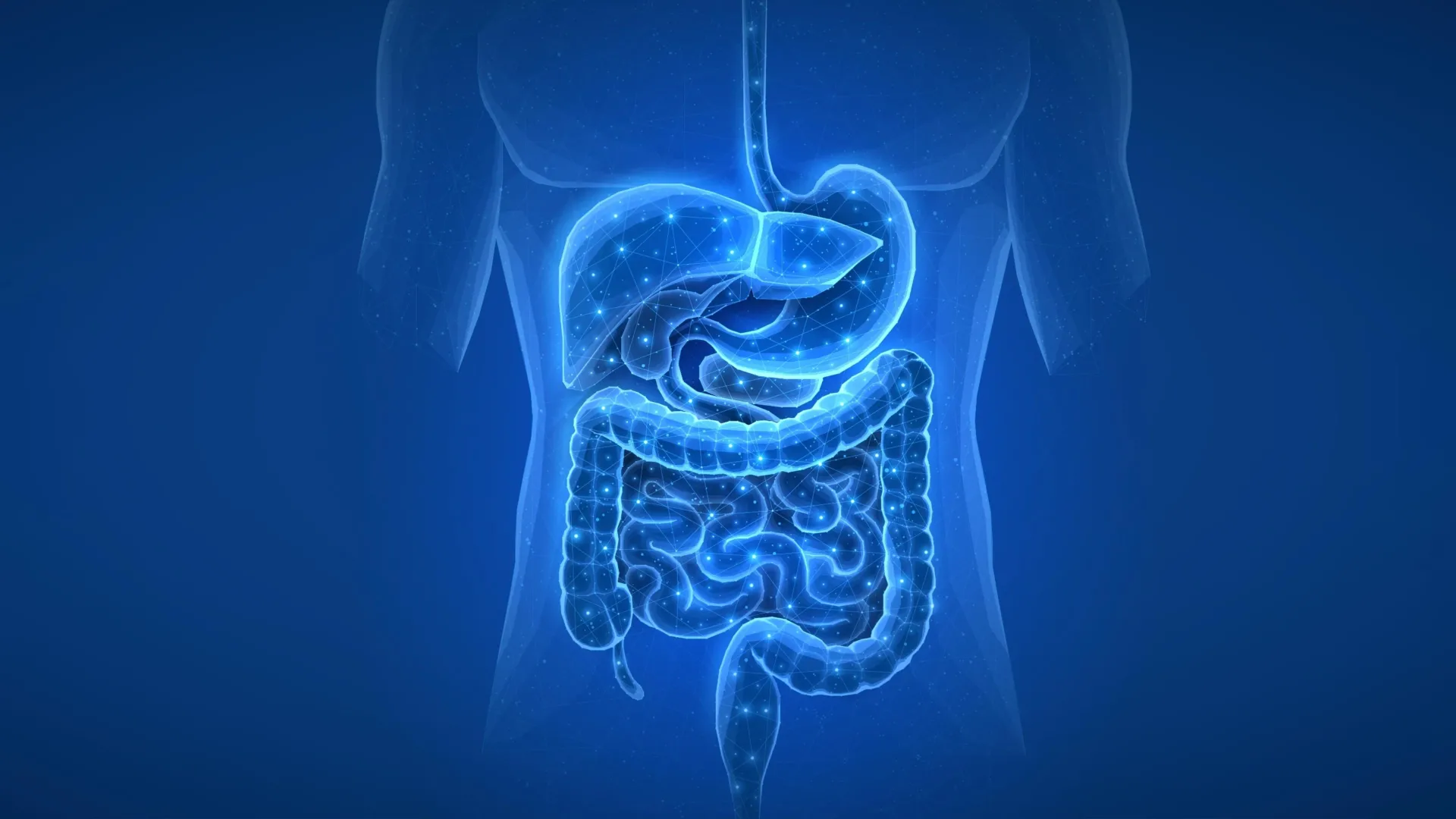
A comprehensive investigation has unveiled compelling evidence that a wide array of pharmaceutical agents can induce lasting alterations within the intricate microbial communities residing in the human gastrointestinal tract, with effects that persist long after cessation of treatment. This groundbreaking research, spearheaded by scientists at the University of Tartu’s Institute of Genomics, suggests that an individual’s historical regimen of medications may serve as a crucial explanatory factor for discernible variations in their gut microbiome composition years down the line. The gut microbiome, a sprawling and dynamic consortium of bacteria, fungi, viruses, and other microorganisms, plays an indispensable role in numerous physiological processes, encompassing nutrient digestion, metabolic regulation, immune system modulation, and overall well-being.
The study meticulously analyzed extensive datasets comprising stool samples and detailed prescription histories from over 2,500 individuals enrolled in the Estonian Biobank, specifically from the Estonian Microbiome cohort. The findings revealed a statistically significant association between the majority of the examined pharmaceutical classes and distinct shifts in the gut microbial landscape. More remarkably, for a considerable proportion of these drugs, the induced microbial divergences remained detectable and identifiable for extended periods, extending for years following the discontinuation of the prescribed medication.
Crucially, these enduring ramifications were not confined solely to the well-documented impact of antibiotics, which are widely recognized for their potent ability to disrupt the delicate balance of bacterial populations within the gut. The research identified that other frequently prescribed drug categories, including antidepressants, beta-blockers, proton pump inhibitors (PPIs), and benzodiazepines, were also linked to the emergence of unique and identifiable microbial "fingerprints." Beta-blockers, commonly prescribed for managing conditions such as hypertension and various cardiac ailments, were found to leave their mark on the microbial community. Similarly, proton pump inhibitors, designed to suppress gastric acid production and often used to treat conditions like gastroesophageal reflux disease (GERD), demonstrated a lasting influence. Benzodiazepines, a class of medications frequently administered for the management of anxiety disorders and other related psychological conditions, also exhibited significant and persistent associations with altered gut microbial profiles.
Dr. Oliver Aasmets, the lead author of the study, emphasized the profound implications of these findings, stating, "Most microbiome studies typically focus on current medication use. However, our results strongly indicate that past drug exposure can be equally, if not more, significant, acting as a surprisingly potent determinant of individual microbiome variations." This assertion underscores a critical paradigm shift in how researchers and clinicians should approach the interpretation of microbiome data. The research suggests that when investigating the complex interplay between the gut microbiome and various diseases, it is imperative to extend the scope of inquiry beyond an individual’s current pharmacological regimen. Medications administered months, or even years, prior to sample collection could still be actively shaping the microbial patterns observed.
One particularly striking observation from the study pertained to benzodiazepines, a class of drugs commonly prescribed for anxiety. The magnitude of their association with distinct gut microbiome compositions was found to be comparable to the profound effects observed with broad-spectrum antibiotics. Broad-spectrum antibiotics, by their very nature, are designed to target and neutralize a wide array of bacterial species, a characteristic that accounts for their substantial capacity to instigate significant disruptions in the gut’s microbial ecosystem.
Further analysis revealed an intriguing nuance: not all medications within the same drug class exerted identical influences on the gut microbiome. For instance, drugs prescribed for similar indications, such as diazepam and alprazolam, both belonging to the benzodiazepine class, exhibited differential impacts on the gut microbiota, with some appearing to disrupt microbial communities more intensely than others. This distinction holds considerable importance, as current research methodologies often group medications into broader classes for analysis within microbiome studies. The new findings strongly suggest that a more granular approach, one that considers individual pharmaceutical agents rather than broad drug classes, may be necessary for a more accurate understanding of medication-induced microbiome changes.
To further validate these observations and establish causality, researchers conducted a detailed examination of follow-up stool samples from a subset of participants. This longitudinal analysis enabled the researchers to meticulously track the microbial shifts that occurred when individuals initiated or discontinued specific medications. These observed changes in the gut microbiome were consistently correlated with the initiation or cessation of drug treatments, providing robust evidence that the pharmaceuticals themselves were indeed the drivers of at least some of the detected microbial alterations.
While the secondary time-point analysis involved a comparatively smaller cohort, it successfully corroborated the persistent effects associated with proton pump inhibitors, selective serotonin reuptake inhibitors (SSRIs), and certain classes of antibiotics, including penicillin combinations and macrolides. SSRIs, a widely utilized category of antidepressants, were shown to leave a lasting imprint on the gut microbial landscape. Macrolides, a group of antibiotics employed to combat a diverse spectrum of bacterial infections, also demonstrated prolonged associations with altered microbial communities.
These findings contribute significantly to the burgeoning body of scientific literature that highlights the multifaceted nature of the gut microbiome’s composition. It is increasingly evident that the microbiome reflects a complex interplay of factors, extending beyond an individual’s current dietary habits, lifestyle choices, overall health status, and immediate medication use. Past therapeutic interventions appear to leave behind discernible biological traces within the gut ecosystem, traces that can remain detectable long after the course of treatment has concluded.
Professor Elin Org, the corresponding author of the study, underscored the significance of this research, describing it as "a comprehensive systematic evaluation of long-term medication effects on the microbiome using real-world medical health records." She expressed a strong hope that these results will inspire both researchers and clinicians to actively incorporate medication history into their considerations when interpreting microbiome data. By accounting for an individual’s past pharmaceutical exposures, scientists may be better equipped to accurately differentiate microbiome alterations attributable to underlying diseases from those that are the consequence of prior medicinal interventions. This more nuanced understanding could pave the way for more precise diagnostic tools and personalized therapeutic strategies.
About the Author