Maintaining robust physical capabilities is a cornerstone of independent living and overall well-being as individuals advance in years. Among the myriad components contributing to physical resilience, core strength stands out as particularly vital, impacting everything from simple daily tasks to injury prevention. For adults aged 60 and beyond, assessing and fostering this fundamental strength can offer profound insights into their functional fitness and capacity for an active lifestyle. One widely recognized, yet often underestimated, exercise for evaluating this crucial attribute is the plank. This isometric movement, which engages a broad spectrum of musculature, provides a straightforward benchmark for gauging the endurance and stability of the trunk.
Fitness professionals universally endorse the plank as a cornerstone of any comprehensive strength-training regimen due to its multifaceted benefits. Unlike dynamic abdominal exercises, the plank requires sustained engagement of numerous muscle groups simultaneously to maintain a rigid, straight body position. This includes the rectus abdominis (the visible "six-pack" muscles), the obliques (responsible for rotational movements and side bending), and critically, the transverse abdominis, a deep core muscle that acts like a natural corset, providing essential spinal stability. Beyond these central core components, a properly executed plank also activates muscles in the shoulders, back, glutes, and legs, making it a full-body engagement that transcends mere abdominal work. This synergistic activation promotes not just isolated strength, but integrated functional fitness, enhancing the body’s ability to operate as a cohesive unit. The development of muscle endurance through holding planks translates directly into increased stamina for everyday physical demands, enabling older adults to navigate their environments with greater ease and confidence.
The practical advantages of a well-developed core extend far beyond aesthetic appeal, particularly for the aging population. A strong, stable core acts as the body’s central pillar, providing a robust foundation from which all other movements originate. This foundational strength significantly eases the execution of numerous activities of daily living (ADLs) that many take for granted in their younger years. Consider the effort involved in bending down to retrieve an object from the floor; a strong core stabilizes the spine, protecting it from strain while enabling the legs and hips to perform the lift. Similarly, tasks such as carrying heavy grocery bags, rising from a seated or lying position, ascending and descending stairs, or even engaging in hobbies like gardening, become less strenuous and safer when the core musculature is efficient and well-conditioned. The ability to transfer force effectively between the upper and lower body, facilitated by a strong core, means that movements feel more controlled and less taxing on individual joints.
Beyond routine movements, a robust core is an indispensable asset in responding to unexpected physical challenges, which become more prevalent and potentially more dangerous with age. Matt Kasee, a Certified Personal Trainer and founder of Trilogy Fitness Systems, emphasizes this critical aspect. He notes that the core’s primary role is to provide stability to the spine and efficiently transfer force throughout the body. This stabilizing function becomes paramount when individuals encounter unforeseen events such as a sudden stumble, a need to change direction rapidly, or the necessity to catch and stabilize oneself to prevent a fall. In such moments, an agile and responsive core can mean the difference between maintaining balance and suffering a debilitating injury. Kasee underscores that viewing core training solely through the lens of developing visible abdominal muscles misses its most profound benefit: cultivating the capacity to generate and sustain stability even as the rest of the body is in motion. This intrinsic ability becomes progressively more critical for preserving physical autonomy and quality of life as the aging process unfolds.
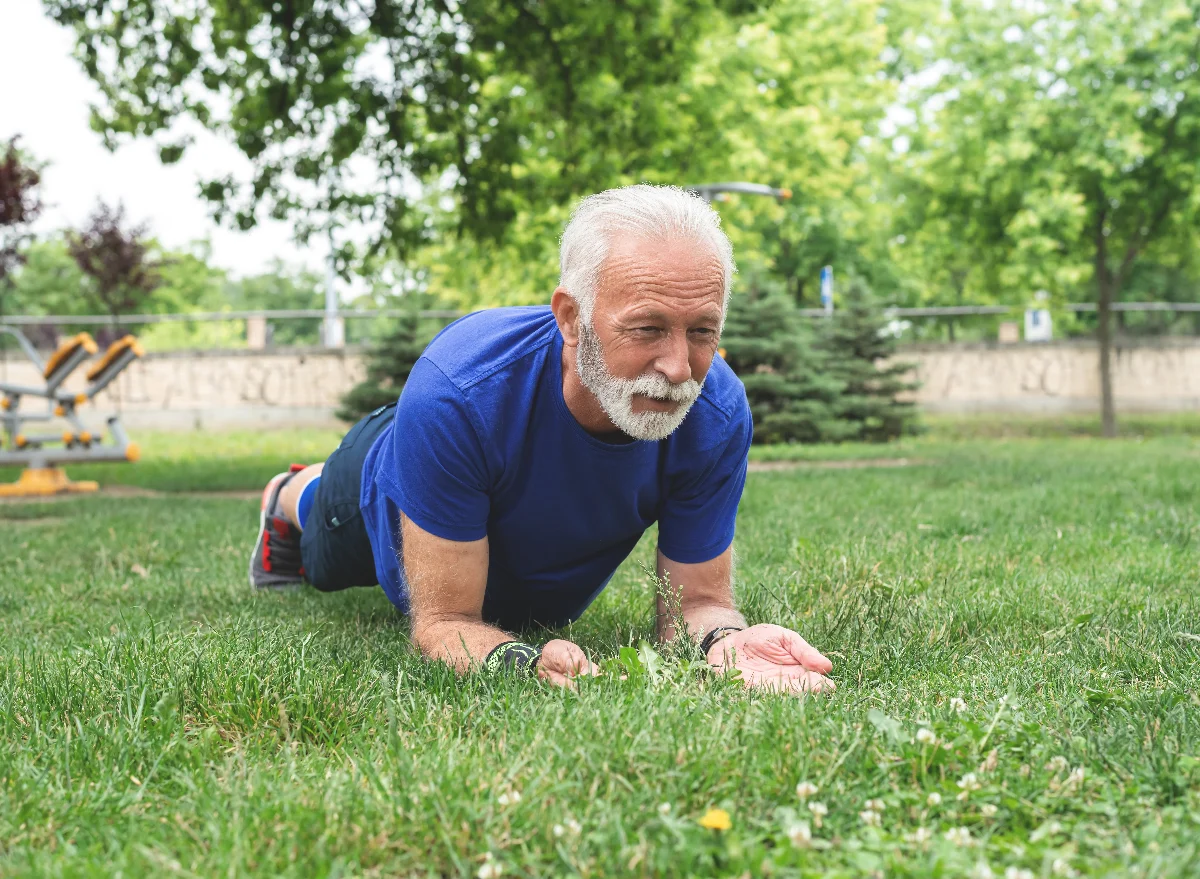
Against this backdrop of core importance, a specific benchmark for plank performance has emerged as a valuable indicator for adults over the age of 60. While individual capabilities vary widely, the ability to maintain a plank with impeccable form for a duration of approximately 30 to 60 seconds is considered an excellent standard to aspire to. This timeframe suggests a commendable level of core endurance and the capacity to preserve trunk stability under sustained muscular tension. However, the expert consensus, particularly from professionals like Kasee, is unequivocal: the integrity of the form during the hold far outweighs the sheer duration. Sacrificing proper alignment for a longer time is counterproductive, potentially leading to strain or injury rather than beneficial strengthening.
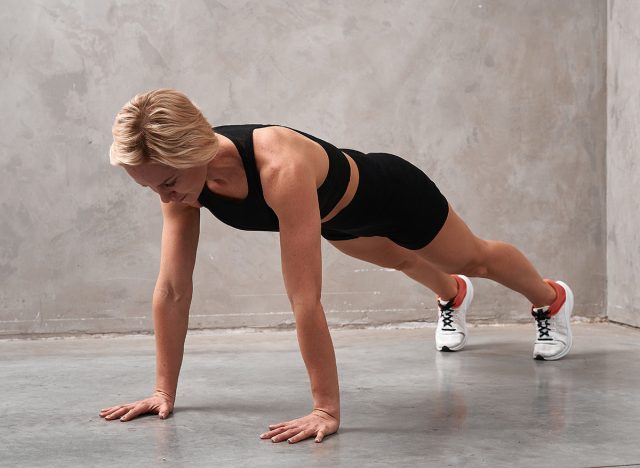
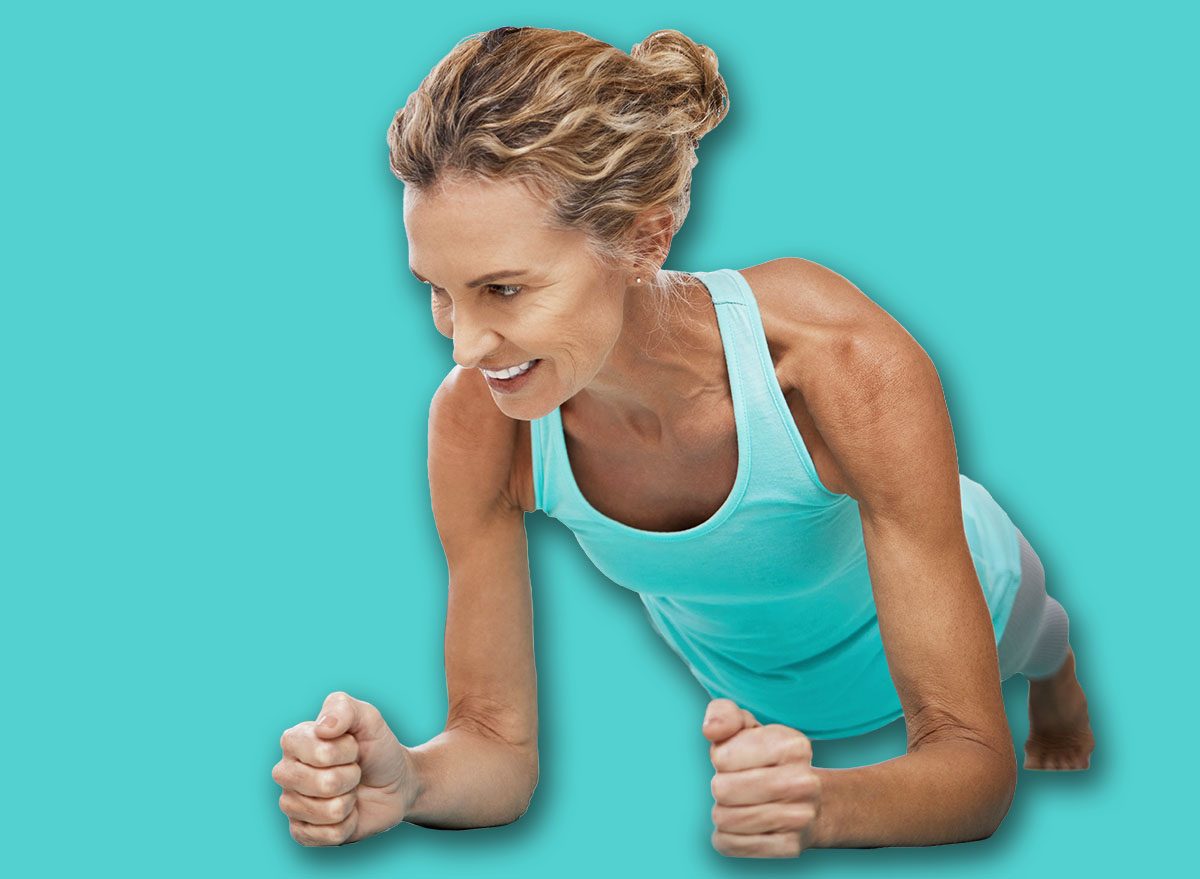
What constitutes "impeccable form" in a plank? It involves maintaining a straight line from the head to the heels, ensuring the spine remains neutral without excessive arching or rounding. The hips should neither sag towards the floor nor rise excessively towards the ceiling, indicating a loss of core engagement. Consistent tension should be actively maintained through the abdominal muscles and glutes, preventing the body from collapsing into passive reliance on bones and joints. Crucially, normal, steady breathing must be sustained throughout the exercise, avoiding breath-holding, which can elevate blood pressure and reduce oxygen flow. If an individual’s form visibly deteriorates after, for instance, 20 seconds—with hips sagging or the back arching—then continuing the hold for an additional 40 seconds provides minimal, if any, additional benefit and may even be detrimental. The objective is not to merely endure discomfort, but to effectively engage and strengthen the target musculature.
Achieving this 30-to-60-second benchmark with proper technique signifies a level of core strength and endurance that positions an individual favorably among their peers. According to Kasee, someone over 60 who can execute a plank correctly for this duration possesses core strength superior to approximately 90% of their age demographic. This statistic highlights a significant functional advantage, indicating a reduced risk of falls, enhanced ease in daily activities, and a greater capacity to engage in recreational pursuits without undue physical limitation. It reflects a proactive approach to physical maintenance and a robust physiological foundation that supports active aging. This benchmark, therefore, serves as more than just a numerical goal; it is a tangible marker of functional independence and resilience in later life.
However, it is equally crucial to understand the limitations of any single exercise assessment. While a strong plank hold is an excellent indicator of core endurance and trunk control, Kasee stresses that it does not equate to "universal fitness." The plank, by its very nature, is an isometric exercise focused primarily on stability. It does not comprehensively measure other vital components of overall physical fitness. For instance, it provides no data on cardiovascular health, which dictates endurance for aerobic activities; nor does it assess lower-body strength, crucial for walking, climbing, and lifting. Furthermore, the plank offers limited insight into mobility (range of motion in joints), balance (the ability to maintain equilibrium in dynamic situations), power (the capacity for explosive movements), or overall muscle mass distribution. Consequently, while achieving the plank benchmark is a positive sign, it should be considered one valuable data point within a broader, holistic evaluation of an individual’s physical capabilities. A truly fit person exhibits competence across multiple domains, integrating strength, endurance, flexibility, and balance.
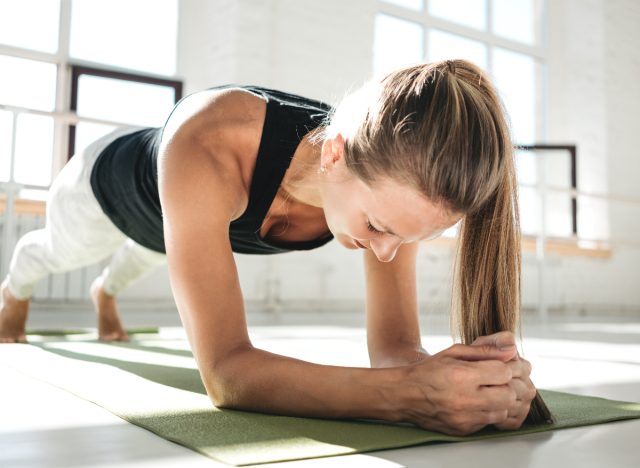
For individuals who can comfortably hold a plank for the prescribed 30 to 60 seconds with perfect form, merely extending the duration further may not be the most efficient path to continued improvement. Instead, Kasee advises diversifying the challenge to further enhance core function and stability. Progressive overload can be achieved through various advanced plank variations that introduce dynamic elements or increased resistance. Examples include shoulder taps, where one hand lifts to tap the opposite shoulder while maintaining a stable core, or plank reaches, extending one arm forward. Side planks are another excellent variation, specifically targeting the oblique muscles and improving lateral stability. Incorporating exercises that demand controlled movement while the core actively resists rotation or flexion is paramount. This could involve placing feet on an unstable surface, adding a small amount of external resistance, or performing movements that require the core to remain stable while limbs move through space. The fundamental objective shifts from simply holding a static position to actively teaching the core to counteract and stabilize against external forces or internal movements. The basic plank serves as an essential foundation; once mastered, the progression lies in developing dynamic stability—the ability to maintain control and alignment during movement.
For those new to planks or working towards the 30-60 second goal, beginning with modified versions is always recommended to ensure proper form and prevent injury. This could involve performing planks on the knees instead of the toes, or utilizing a wall or elevated surface to reduce the body’s leverage. Gradual progression, focusing on perfect technique for shorter durations (e.g., 10-15 seconds) and slowly increasing hold times as strength improves, is key. Consistency, even for brief periods daily, will yield significant results over time. It is always advisable to consult with a healthcare provider or a certified fitness professional before embarking on any new exercise program, especially for older adults or individuals with pre-existing health conditions, to ensure safety and appropriateness.
Ultimately, while the plank benchmark offers a powerful snapshot of core strength in adults over 60, it represents just one crucial piece of the larger puzzle of healthy aging. A comprehensive approach to physical well-being includes a balanced regimen of cardiovascular exercise, resistance training for major muscle groups, flexibility work, and balance exercises. Integrating these components fosters a robust physical foundation that supports not only the ability to perform daily tasks with ease but also the capacity to pursue hobbies, travel, and maintain an active, fulfilling life well into the later years. The plank, therefore, serves as a significant indicator of one’s readiness to embrace the challenges and joys of aging with strength and stability.
About the Author