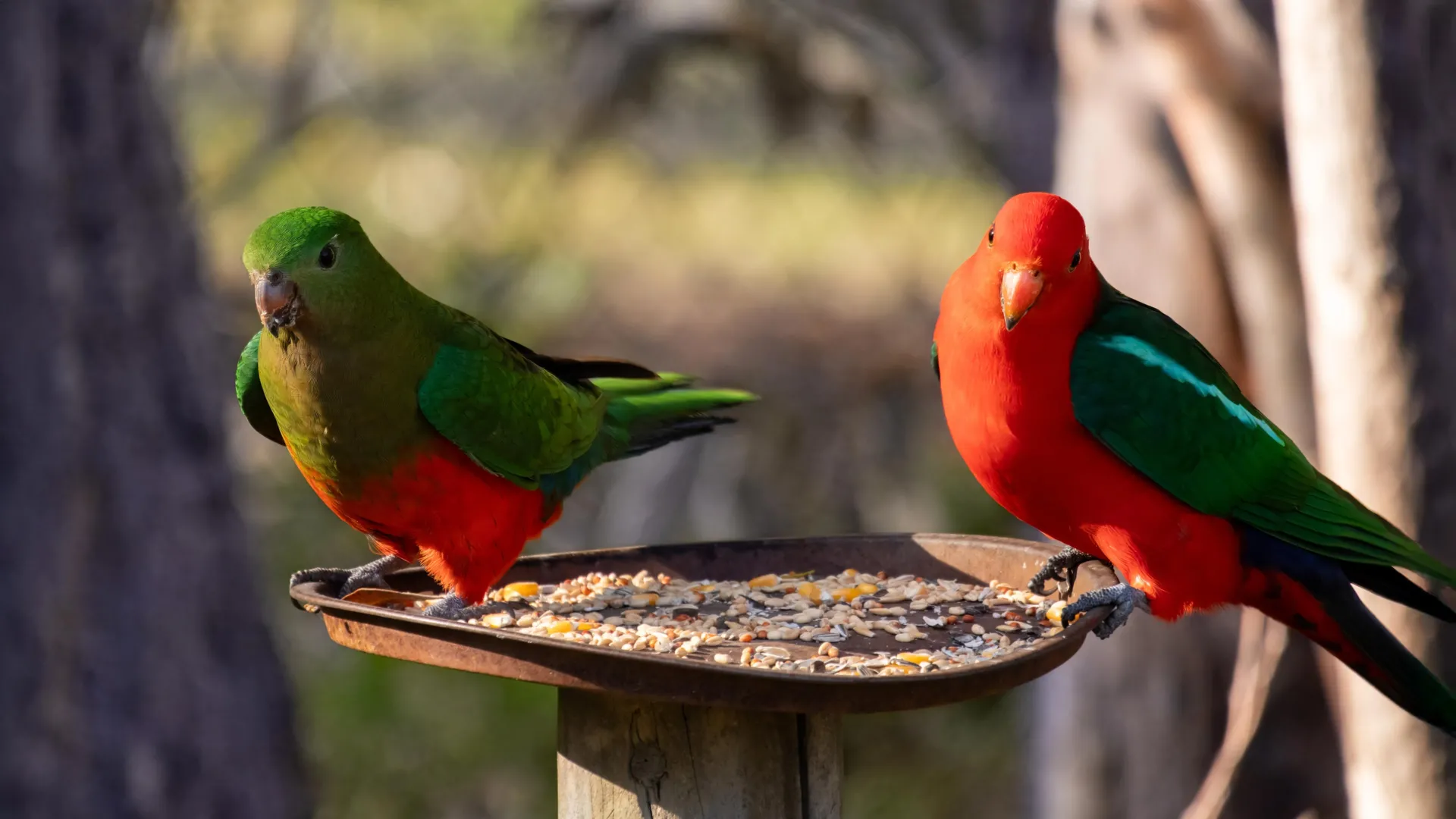
For many individuals across Australia, the simple act of providing food for wild birds in their backyards represents a cherished connection to nature. This widespread pastime, embraced by an estimated half of all Australian households, often involves daily offerings of seeds, scraps, or other supplementary sustenance. While seemingly benign and driven by a desire to assist or simply observe local fauna, this popular practice now faces intense scrutiny as a potential accelerant for the highly pathogenic H5N1 avian influenza virus, a virulent strain with devastating consequences for global wildlife and a looming threat to ecological stability. The confluence of human intervention and disease transmission raises critical questions about our responsibilities in a rapidly changing epidemiological landscape.
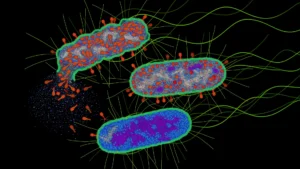
The H5N1 strain, a subtype of avian influenza, has transcended its traditional hosts, exhibiting an alarming capacity to infect a diverse range of avian species and, increasingly, mammals. Its recent arrival and subsequent spread across Australia mark a grave milestone in the global pandemic. The pathogen’s journey has already left a trail of destruction, evidenced by the mass mortality of over 1,000 crested terns in the southern reaches of the continent and, critically, the first confirmed detection in a mainland mammal – a long-nosed fur seal. This expansion into new host populations underscores the virus’s adaptability and the profound risk it poses not only to avian biodiversity but also to broader ecosystems. Globally, H5N1 has caused unprecedented die-offs in wild bird populations, impacted commercial poultry operations, and demonstrated an concerning ability to spill over into numerous mammalian species, including marine mammals, carnivores, and even domestic animals.
The concept of a "superspreader event," typically associated with human infectious diseases, finds a chilling parallel in the context of backyard bird feeding and H5N1. A superspreader event occurs when a single infected individual or location facilitates an unusually high number of secondary infections. Bird feeders, by their very nature, create artificial congregation points where birds of varying species gather in close proximity, a scenario rarely observed in natural foraging environments. This unnatural density significantly amplifies opportunities for viral exchange through shared food, contaminated surfaces, and airborne transmission of respiratory droplets or fecal matter. What begins as an act of kindness can inadvertently transform a garden into a localized nexus for disease proliferation, a "transmission hotspot" that funnels pathogens into susceptible populations.
Beyond the immediate threat of H5N1, the practice of supplementary bird feeding has long been a subject of scientific and conservationist debate, even prior to the current influenza crisis. Critics often highlight concerns regarding nutritional imbalances caused by inappropriate food offerings, which can lead to deficiencies or obesity in birds. The potential for birds to become overly reliant on human-provided food, altering their natural foraging behaviors and reducing their innate wildness, has also been a significant point of contention. Furthermore, the increased aggregation of birds at feeders has been linked to the heightened transmission of other common avian diseases, such as salmonellosis and trichomoniasis, demonstrating a pre-existing vulnerability in these artificial environments. The H5N1 pandemic, however, elevates these concerns from ecological disruption to an urgent biosecurity threat, demanding a fundamental re-evaluation of human-wildlife interactions.
The ecological ramifications of H5N1 are far-reaching. The virus has demonstrated a propensity to decimate populations of vulnerable and endangered species. For instance, the orange-bellied parrot, a critically endangered species with a fragile population, could face an existential threat if the virus infiltrates its remaining numbers. The rapid, widespread mortality associated with H5N1 poses a direct challenge to conservation efforts, potentially unraveling decades of work to protect species already teetering on the brink. The loss of keystone avian species could trigger trophic cascades, disrupting intricate ecological webs and impacting ecosystem services like pest control and seed dispersal.
The zoonotic potential of H5N1, while currently low for humans, remains a critical area of concern. The virus’s capacity to jump from birds to mammals, as evidenced by the Australian fur seal case and numerous global instances involving foxes, bears, and even domestic cats, illustrates its adaptability. While human infections remain rare and typically manifest with mild symptoms in most documented cases, the possibility of the virus evolving to transmit more readily between mammals, or even to humans, cannot be dismissed. Individuals in occupations involving close contact with wildlife, such as veterinarians, wildlife carers, and poultry workers, face a higher, albeit still low, occupational risk. These frontline workers are crucial for surveillance and mitigation, and their safety protocols must be robust. The scientific community closely monitors every spillover event, analyzing viral mutations for any indication of increased transmissibility or pathogenicity in mammalian hosts, underscoring the delicate balance between human and animal health.
Given the gravity of the H5N1 threat, a paradigm shift in our approach to wild bird feeding is imperative. The most robust and effective strategy for mitigating disease transmission at a local level is to cease providing supplementary food to wild birds altogether. Scientific research consistently shows that wild birds, even those accustomed to feeders, derive the vast majority of their nutritional needs from natural sources such as insects, worms, nectar, and native seeds. The food offered by humans, while perhaps appreciated, functions more as an opportunistic snack than a vital meal. Eliminating these artificial food sources encourages birds to disperse and forage naturally, reducing their density and, consequently, the opportunities for viral spread. This action aligns with broader ecological principles, fostering self-sufficiency and promoting natural behaviors within avian communities.
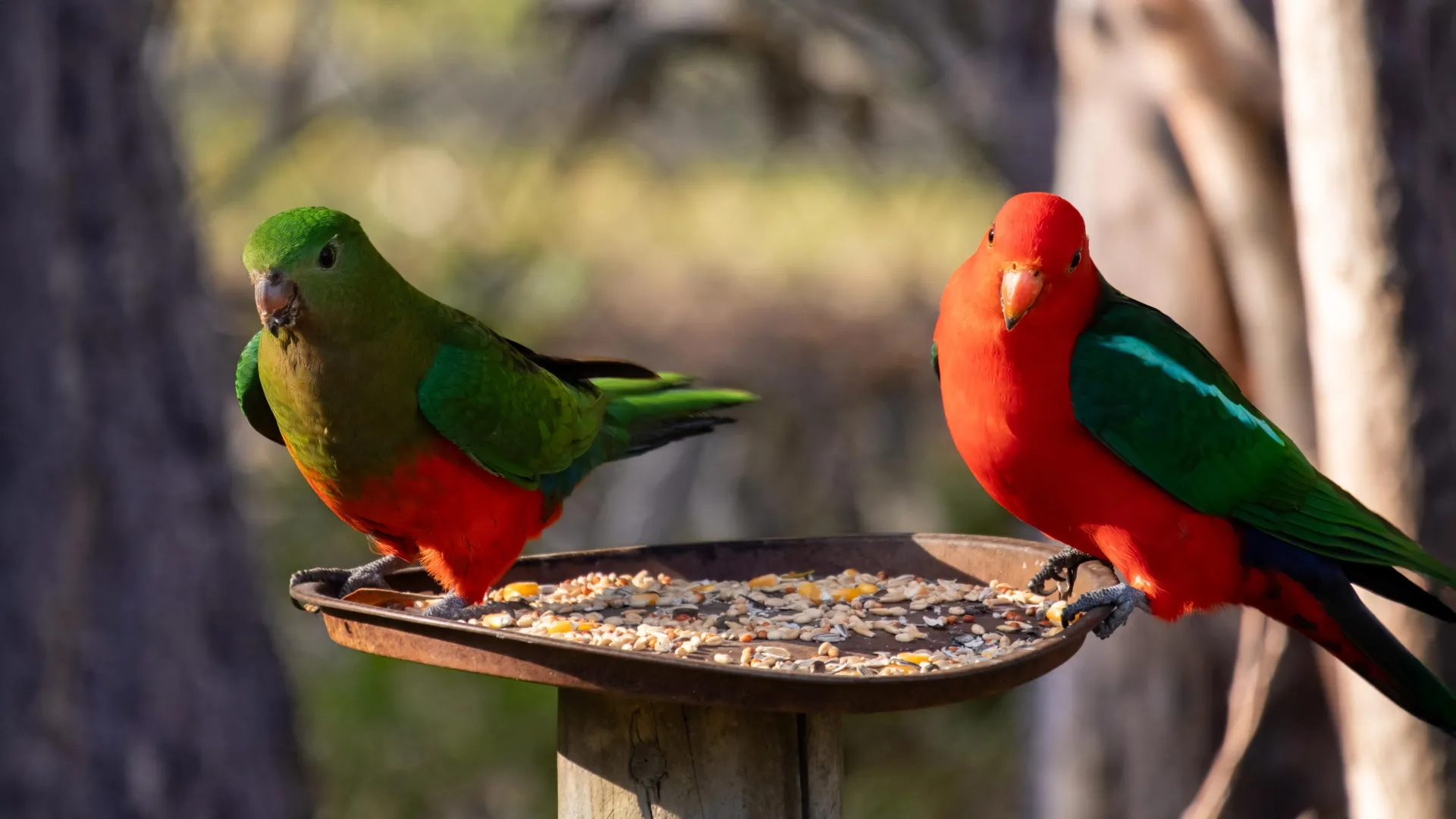
For those who wish to continue supporting local avian populations without exacerbating disease risk, alternative, ecologically sound methods are available. Instead of direct feeding, focusing on habitat enhancement can provide sustainable benefits. Planting native flora that offers natural food sources (berries, seeds, nectar) and shelter creates a more authentic and safer environment. Providing clean, fresh water in bird baths, regularly cleaned and refilled, can also be beneficial, as long as it does not become a high-density congregation point. Controlling domestic pets, particularly cats, which are significant predators of wild birds, also contributes significantly to avian welfare. These practices represent a more holistic and less intrusive form of human-wildlife interaction, promoting biodiversity while minimizing the risks of disease transmission.
However, for individuals who choose to continue supplementary feeding despite the expert recommendations, stringent biosecurity measures are absolutely critical to minimize risk. These are not guarantees against transmission but are essential precautions:
-
Reduce Food Quantity and Frequency: Offering smaller amounts of food less often discourages large numbers of birds from congregating simultaneously. This mimics social distancing, reducing the effective density of birds at the feeding site and thereby lowering the probability of contact-dependent transmission. The goal is to discourage prolonged, high-density gatherings.
-
Eliminate Direct Contact: Hand-feeding birds, while a seemingly intimate interaction, must be avoided entirely. This direct physical contact creates a pathway for viral transfer between birds and humans, and vice versa. Maintaining a safe distance from all wild animals is a fundamental principle of disease prevention.
-
Maintain Exemplary Hygiene: Regular and thorough cleaning of all feeding equipment and surfaces is paramount. Feeders, bird baths, and surrounding areas should be cleaned daily or every other day using a diluted bleach solution (e.g., one part bleach to nine parts water), followed by a rinse with clean water and complete drying. This process effectively inactivates viral particles that may linger on surfaces, preventing the perpetuation of the transmission cycle. Wear gloves and protective eyewear during cleaning and dispose of waste water appropriately, away from natural water sources.
-
Monitor for Illness: Be vigilant for any signs of illness in visiting birds, such as lethargy, ruffled feathers, respiratory distress, or unusual behavior. Immediately remove any feeders or water sources if sick or dead birds are observed, and clean the area thoroughly.
-
Avoid Mixed Species Feeders: If possible, use feeder types that cater to specific bird sizes or feeding preferences, which can reduce direct contact between different species that might not naturally interact closely.
The current H5N1 crisis demands a collective responsibility to protect both wildlife and public health. While the impulse to feed wild birds stems from a place of care, the escalating threat of highly pathogenic avian influenza necessitates a shift in behavior. The potential for backyard feeding to act as a catalyst for viral spread, endangering vulnerable species and potentially facilitating spillover events, is too significant to ignore. By embracing safer, more ecologically sound methods of supporting wildlife or, ideally, ceasing supplementary feeding altogether, individuals can play a crucial role in mitigating the impact of this deadly disease. In Australia, any observations of sick or deceased birds or marine mammals must be reported immediately to the Emergency Animal Disease Hotline on 1800 675 888, ensuring that biosecurity authorities can monitor and respond to the evolving situation. Our actions today will determine the health of our avian populations and ecosystems for years to come.
About the Author