As individuals advance into their sixties and beyond, maintaining core strength and abdominal tone becomes a priority not only for aesthetic reasons but, more critically, for preserving functional independence and overall well-being. Many people observe a gradual change in their midsection, sometimes referred to colloquially as a "muffin top," which isn’t solely attributable to body fat accumulation. A significant contributing factor is often the diminished activation and integrity of crucial core musculature, including the obliques and deeper stabilizing abdominal muscles. These muscles are instrumental in shaping the waistline and providing foundational support for the spine and pelvis. While conventional gym workouts frequently employ isolated movements or machine-based exercises, these approaches may not effectively translate into the real-world stability and postural control essential for daily activities. Fitness experts specializing in this demographic consistently observe that the most profound improvements in core strength and definition stem from incorporating standing exercises that compel the core to engage continuously for stabilization, rotation, and dynamic control.
The physiological landscape of the human body undergoes several transformations with age, impacting muscular strength, endurance, and coordination. After the age of 60, processes such as sarcopenia, the age-related loss of muscle mass and strength, can affect not only large muscle groups but also the intricate network of core muscles. The deep core, comprising the transversus abdominis, multifidus, pelvic floor, and diaphragm, acts as a natural corset, providing essential stability for the lumbar spine. The obliques, situated on the sides of the abdomen, are vital for torso rotation, lateral flexion, and maintaining waistline integrity. When these muscle groups become less active or weaker, their ability to hold the abdominal wall firm throughout the day diminishes, contributing to a less defined midsection and potentially leading to poor posture, increased risk of back pain, and impaired balance. Therefore, addressing these changes through targeted, functional movement is paramount for healthy aging.
Functional standing exercises offer a distinct advantage by challenging the entire midsection in ways that directly mimic everyday movements. Unlike exercises performed lying down or seated, which often involve short, intense bursts of muscular effort, standing movements demand constant, sustained tension from the core to maintain an upright and balanced posture. This continuous engagement is critical for strengthening the muscles responsible for drawing the waist inward and enhancing definition around the hip area. The act of standing itself requires proprioception and neuromuscular control, prompting the core to work synergistically with other muscle groups to manage the body’s center of gravity. This holistic activation builds not just strength but also endurance and coordination, which are foundational for tasks ranging from walking and lifting groceries to preventing falls.
Furthermore, the perceived accessibility and efficiency of these standing routines significantly boost adherence. When exercises are integrated seamlessly into a daily regimen because they feel achievable and yield noticeable results, individuals are more likely to perform them consistently. This steady, daily activation often leads to more rapid and sustainable improvements in core strength and abdominal aesthetics compared to sporadic, high-intensity training sessions that might be less appealing or practical for older adults. The cumulative effect of regular, mindful engagement of the core in an upright position fosters a stronger, more resilient midsection, improving posture and overall body control.
Before delving into specific exercises, it is crucial to emphasize certain principles for maximizing effectiveness and safety. Always prioritize proper form over speed or intensity. Each movement should be executed slowly and deliberately, focusing on the contraction and release of the target muscles. Maintaining a tall posture throughout, with shoulders relaxed and an engaged core, is fundamental. Breathing deeply and rhythmically will also aid in muscle activation and prevent undue strain. Listen to your body and modify movements as needed, gradually increasing repetitions or duration as strength improves.
Here are five standing movements specifically chosen to activate the obliques, lower abdominal muscles, and deep stabilizers, simultaneously reinforcing optimal posture and bodily control:
1. Dynamic Cross-Body Knee Lifts for Rotational Stability
This exercise specifically targets the oblique muscles while demanding comprehensive core engagement. It is highly valued for its ability to train the musculature responsible for both rotating and stabilizing the torso, two pivotal functions for achieving a flatter waistline. The action of driving one knee across the body towards the opposite elbow creates a powerful diagonal contraction through the entire midsection. Briefly holding the knee at the apex of the movement intensifies the time under tension for the working muscles, thereby enhancing their activation and recruitment. Over time, this consistent effort assists in drawing the waist inward, fostering superior core control, and improving dynamic balance. To perform, stand tall with feet hip-width apart. Engage your core, then lift one knee towards your chest, simultaneously rotating your torso to bring the opposite elbow towards the lifted knee. Focus on contracting your obliques. Return to the starting position with control and repeat on the other side. Aim for 10-12 repetitions per side.
2. Controlled Lateral Torso Flexions for Unilateral Definition
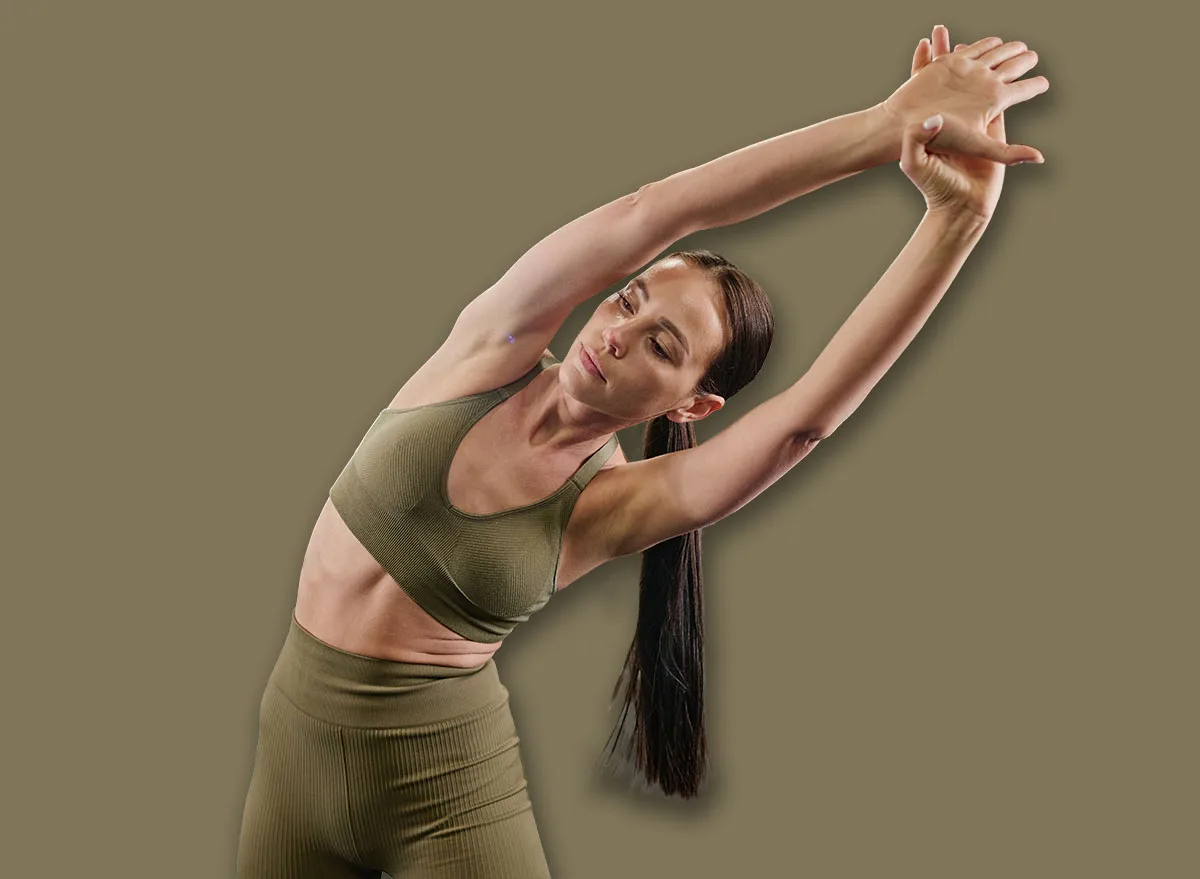
Lateral torso flexions, often referred to as standing side bends, are excellent for isolating the oblique muscles and strengthening the specific musculature that sculpts the sides of the waistline. This exercise allows for concentrated focus on one side of the body at a time, facilitating the development of balanced strength across the entire midsection. The deliberate action of leaning slowly to one side while maintaining core tension, and then returning with equal control, ensures that the muscles remain under tension for an extended period, significantly boosting the exercise’s effectiveness. Many individuals report a profound muscular engagement, often described as a "deep burn," when executing this movement correctly. Begin standing with feet shoulder-width apart, hands lightly behind your head or at your sides. Keeping your core braced and spine neutral, slowly bend directly to one side, feeling the stretch on the opposite side and contraction on the working side. Avoid leaning forward or backward. Return to center slowly and repeat on the alternate side. Perform 10-15 repetitions per side.
3. Deliberate Torso Rotations with Isometric Hold for Spinal Stabilization
This movement primarily strengthens the core through controlled rotational actions. It is particularly beneficial as it educates the muscles responsible for stabilizing the spine during twisting motions, an aspect that gains increasing importance with advancing age to prevent injury and maintain flexibility. The process of rotating the torso to one side and maintaining that position momentarily forces the obliques and other core stabilizers to sustain engagement. This sustained tension is crucial for building both muscular strength and endurance within the core. Over time, integrating this exercise into a routine contributes significantly to enhanced waistline control and overall abdominal definition, while also improving the body’s ability to handle rotational forces safely. Stand with feet hip-width apart, arms bent at chest height, elbows tucked in. Keeping your hips relatively stable and facing forward, slowly rotate your upper torso to one side, feeling the stretch and contraction in your obliques. Hold for a brief second, then slowly return to the center and repeat on the other side. Focus on controlled movement, not momentum. Complete 10-12 rotations per side.
4. Elevated Knee Drives with Abdominal Bracing for Lower Abdominal Activation
This dynamic movement specifically targets the lower abdominal region while simultaneously reinforcing comprehensive core engagement throughout the entire midsection. Its value lies in its capacity to teach the abdominal muscles to actively stabilize the entire body during movement, rather than just during isolated, static contractions. The act of driving the knee upward while maintaining a tight and braced core compels the muscles to remain fully engaged throughout the range of motion. Performing this exercise at a slow, controlled tempo further extends the time under tension, thereby enhancing muscle control, strength, and coordination. This helps improve the functional integration of the lower abs with the rest of the core. Start standing tall with a slight bend in your knees. Brace your core firmly as if preparing for a gentle punch to the stomach. Slowly lift one knee towards your chest, concentrating on drawing your navel towards your spine. Lower the leg with control and switch to the other side. Focus on maintaining a stable torso throughout. Aim for 12-15 repetitions per leg.
5. Slow-Tempo Marching with Continuous Core Control
This final exercise is designed to build endurance and promote continuous activation throughout the entire core musculature. It is often incorporated as a routine finisher because it effectively reinforces steady core engagement over an extended period, a key factor in achieving and maintaining a flatter waistline and improved functional stability. With each step taken, the core is compelled to stabilize and control the body’s balance. Executing the march slowly ensures that tension remains consistent across the core, preventing the muscles from relaxing between repetitions. Over time, this consistent and controlled engagement significantly improves both the strength and endurance of the core, making it more efficient at supporting the spine and maintaining abdominal tone in daily life. Stand tall, engage your core, and begin marching in place, but at a significantly slower pace than a typical march. Focus on lifting each knee deliberately and feeling the deep abdominal muscles activate to stabilize your pelvis and torso with every step. Aim for 1-2 minutes of continuous, slow marching.
Incorporating these functional standing exercises into a daily routine offers a powerful strategy for individuals over 60 to enhance core strength, improve abdominal definition, and significantly boost overall physical function. Beyond the aesthetic benefits, a strong, stable core is foundational for preventing falls, alleviating back pain, improving posture, and maintaining an active, independent lifestyle well into later years. These movements, when performed consistently and with proper attention to form, contribute to a resilient body that is better equipped to handle the demands of everyday living. While exercise is a cornerstone, a holistic approach including balanced nutrition, adequate hydration, and sufficient rest will further amplify the positive outcomes, supporting not just physical vitality but also mental well-being.
About the Author