Navigating the physiological transformations that accompany aging presents unique challenges, particularly concerning body composition. As individuals progress beyond their sixth decade, a noticeable redistribution of adipose tissue, often manifesting as increased abdominal fat, becomes a common occurrence. This shift is not merely an aesthetic concern but carries significant implications for overall health and vitality, necessitating a proactive and informed approach to fitness and well-being. Preserving lean muscle mass and maintaining robust core strength are paramount strategies in mitigating these age-related changes and fostering long-term health.
The accumulation of excess fat around the midsection, frequently referred to colloquially as "belly fat" or, in more pronounced cases, a "panniculus" or "apron belly," is a complex phenomenon driven by a confluence of hormonal, metabolic, and muscular alterations. Unlike subcutaneous fat, which resides just beneath the skin, visceral fat accumulates deep within the abdominal cavity, enveloping vital organs such as the liver, pancreas, and intestines. This type of fat is metabolically active, secreting inflammatory cytokines and hormones that can disrupt normal bodily functions and elevate the risk of chronic diseases.
One primary factor contributing to this shift is sarcopenia, the progressive and involuntary loss of skeletal muscle mass, strength, and function that accelerates with age. Beginning as early as the third decade of life, muscle decline can lead to a reduced metabolic rate, making it more challenging to manage weight and body fat, even when dietary habits remain consistent. This reduction in muscle tissue inherently lessens the body’s capacity to efficiently burn calories, facilitating fat deposition.
Hormonal fluctuations further exacerbate this predisposition, particularly in women. Nicolle Lopez-Lamberty, a Certified Pilates Instructor and Founder & CEO of NuPilates, elucidates this intricate interplay, noting, "Belly overhang becomes more common after 60 because of a combination of hormonal, muscular and age-related changes, not simply because of weight gain." She highlights that testosterone levels, crucial for muscle maintenance, begin their gradual descent in women in their 30s. The profound impact of menopause, typically occurring around age 50, further modifies fat distribution patterns. As estrogen levels diminish, the body’s propensity to store fat shifts from the hips and thighs towards the abdomen. Concurrently, the natural reduction in muscle mass further compromises the body’s ability to adequately support the core musculature, contributing to the outward expansion of the midsection. While men do not experience menopause, they also undergo a gradual decline in testosterone, contributing to similar changes in body composition, albeit often with a different timeline and intensity.
The health risks associated with increased visceral fat are extensive and well-documented. Its presence significantly elevates the likelihood of developing severe medical conditions, including cardiovascular disease, where it contributes to atherosclerosis and hypertension. It is a key component of metabolic syndrome, a cluster of conditions including high blood pressure, high blood sugar, excess body fat around the waist, and abnormal cholesterol or triglyceride levels, which collectively increase the risk of heart disease, stroke, and type 2 diabetes. Moreover, the physical burden of carrying additional abdominal weight can impose undue stress on the lumbar spine, leading to chronic lower back pain and compromising mobility and balance.
Addressing these physiological changes requires a comprehensive strategy that prioritizes the development of functional strength and stability over superficial aesthetic goals. Lizzie Gunderson, the Founder of LIZZIEVSTHEWORLD, a Pilates coaching business specializing in helping women enhance movement and strength, frequently encounters these concerns. "Questions around core strength and abdominal support come up almost every day with my clients, particularly those who have had children or are entering midlife," Gunderson observes. She advocates for an approach centered on cultivating genuine strength: "My approach is always about building real strength rather than chasing quick fixes or ‘flat stomach’ promises. When the deep core is working well, posture improves, movement feels easier and the whole midsection has better support."
The core is far more than just the rectus abdominis, the "six-pack" muscles. It comprises a complex network of muscles, including the transverse abdominis, obliques, multifidus, diaphragm, and pelvic floor, all working in concert to stabilize the spine, support the pelvis, and facilitate efficient movement. A strong and integrated core is fundamental for maintaining proper posture, preventing injuries, enhancing balance, and improving the efficiency of everyday activities. For older adults, this functional strength translates directly into improved quality of life and sustained independence.
Pilates, a method emphasizing controlled movements, precise alignment, and deep core engagement, is particularly well-suited for cultivating this comprehensive strength. Its focus on mind-body connection encourages awareness of how the body moves, fostering better muscle recruitment and reducing strain. The following six exercises, rooted in principles of core stability and functional movement, offer an effective pathway to strengthening the midsection and addressing age-related abdominal changes, often yielding results that surpass less targeted approaches like some forms of yoga that may not emphasize deep core integration as intensely. These movements are designed to be accessible yet challenging, building foundational strength that supports the entire body.
1. Heel Slides: This foundational exercise teaches critical abdominal engagement while allowing for controlled leg movement, fostering spinal stability. As Gunderson notes, "This is one of my favorites because it teaches the deep core to stay engaged while the legs move. It’s gentle, accessible and builds the kind of stability that carries over into everyday life." It primarily targets the transverse abdominis, the deepest abdominal muscle, which acts like a natural corset to stabilize the lumbar spine. By drawing the belly button towards the spine without tilting the pelvis, individuals learn to isolate and strengthen this crucial muscle, improving overall core control.
2. Glute Bridges: Often overlooked in core regimens, strong gluteal muscles are integral to pelvic alignment and lower back health. This exercise effectively activates the glutes and hamstrings, which play a significant role in supporting the entire midsection. "Strong glutes take pressure off the lower back and help improve pelvic alignment. A lot of people think of core training as just ab exercises, but your hips and glutes play a huge role in supporting the midsection," Gunderson explains. By lifting the hips off the floor, engaging the glutes, individuals can alleviate strain on the lower back and promote a more balanced distribution of forces throughout the core.
3. Bird-Dog: This dynamic exercise is a powerhouse for improving balance, coordination, and spinal stabilization. Performed on all fours, it requires simultaneous extension of an opposing arm and leg while maintaining a stable torso. "This movement challenges balance, coordination and core control all at once. It strengthens the muscles that stabilize the spine without putting unnecessary strain on the back," Gunderson highlights. It engages the multifidus, erector spinae, and deep abdominal muscles, enhancing proprioception and strengthening the posterior chain for better posture and injury prevention.
4. Side Plank: While many focus on the front of the abdomen, the lateral core muscles are equally vital for comprehensive stability and posture. The side plank targets the obliques and other deep lateral stabilizers, which are crucial for resisting rotational forces and maintaining an upright posture. "The side body is often overlooked. Side planks strengthen the obliques and deep stabilizers, which are essential for posture, balance and everyday movement," Gunderson states. This exercise builds isometric strength in the side body, which is fundamental for everyday tasks like reaching, turning, and preventing falls.
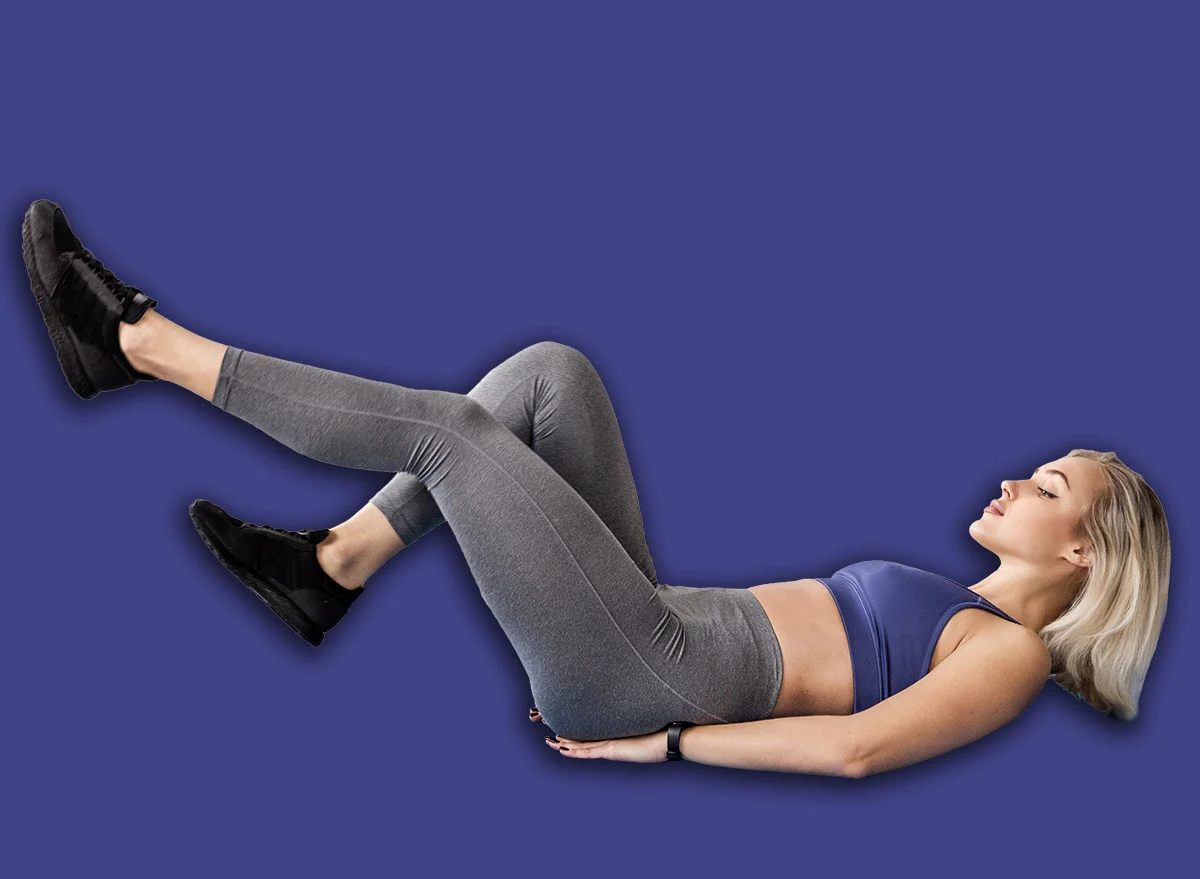
5. Pilates Criss Cross: This exercise offers a more dynamic challenge to the oblique muscles, promoting rotational control and abdominal strength. Unlike traditional crunches, the Pilates Criss Cross emphasizes slow, controlled movements, focusing on twisting from the rib cage rather than simply pulling on the neck. It sculpts the waistline by engaging the internal and external obliques, contributing to a firmer and more defined midsection while improving the coordination between the upper and lower body. The emphasis on controlled breathing and movement ensures deep muscle activation.
6. Double-Leg Stretch: A classic Pilates exercise, the Double-Leg Stretch engages the entire abdominal complex while requiring precise coordination. It involves extending both arms and legs away from the body simultaneously and then returning them to the starting position, all while maintaining a stable core and a neutral spine. This movement significantly strengthens the rectus abdominis and transverse abdominis, improving abdominal endurance and control. The coordinated extension and retraction challenge the body’s ability to maintain central stability under increasing leverage, making it an advanced yet highly effective core strengthener.
Incorporating these targeted exercises into a daily routine offers a powerful means to counteract the natural progression of age-related body composition changes. However, it is crucial to remember that exercise is but one pillar of a holistic wellness strategy. A balanced, nutrient-dense diet, adequate sleep, stress management, and regular hydration also contribute significantly to metabolic health and fat regulation. Before embarking on any new exercise regimen, particularly for individuals over 60 or those with pre-existing health conditions, consulting with a healthcare professional or a certified fitness expert is always recommended to ensure safety and efficacy. By prioritizing functional core strength and adopting a comprehensive approach to health, individuals can not only firm their midsection but also enhance their overall vitality, mobility, and long-term well-being.
About the Author