Novel Therapeutic Strategy Targets Gut Microbiome and Barrier Integrity to Reverse Advanced Liver Disease
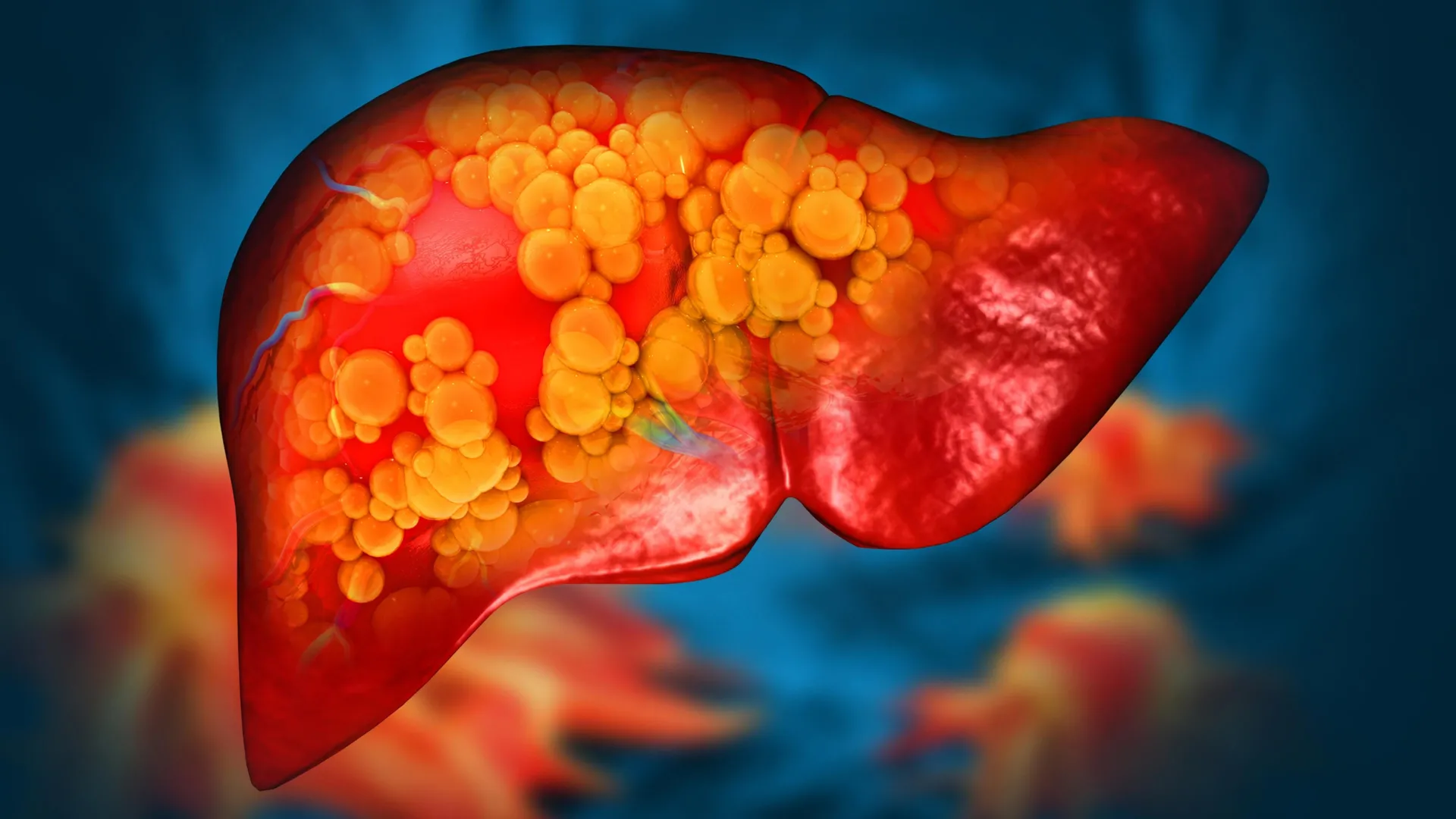
Metabolic dysfunction-associated steatohepatitis (MASH), a progressive and severe form of non-alcoholic fatty liver disease (NAFLD), represents a significant and growing global health challenge, currently impacting an estimated seven percent of the world’s population. Characterized by excessive fat accumulation in the liver alongside inflammation and cellular injury, MASH can inexorably advance to cirrhosis, a stage marked by extensive scarring that impairs liver function, and further escalate to liver cancer or liver failure, necessitating transplantation. Despite its widespread prevalence and serious prognosis, effective therapeutic interventions for MASH remain remarkably limited, underscoring an urgent unmet medical need for innovative treatment approaches.
A groundbreaking development from researchers at Michigan Medicine offers a beacon of hope, revealing an experimental compound capable of reversing severe MASH in preclinical studies by addressing an unexpected, yet profoundly influential, source of liver pathology: the gastrointestinal tract. This novel therapeutic agent, identified as DT-109, represents a paradigm shift in understanding and treating liver disease, suggesting that the root of hepatic damage may often lie beyond the liver itself, within the intricate ecosystem of the gut.
The scientific community has increasingly recognized the critical interplay between the gut and the liver, a connection often termed the "gut-liver axis." This bidirectional communication pathway ensures that substances absorbed from the intestines are transported directly to the liver via the portal vein for processing and detoxification. Consequently, any disruption in gut health—such as imbalances in microbial populations or compromised intestinal barrier integrity—can have profound and detrimental effects on liver function and contribute significantly to the initiation and progression of liver diseases like MASH.
Dr. Eugene Chen, a distinguished Frederick G. L. Huetwell Professor of Cardiovascular Medicine at the University of Michigan Medical School and the senior author of the study, emphasized this fundamental connection. "Our investigations clearly demonstrate that DT-109 safeguards the integrity of the gut epithelial barrier," Dr. Chen noted, highlighting the compound’s capacity to mitigate the systemic translocation of harmful microbial byproducts that are widely implicated in the onset and exacerbation of MASH. He further articulated, "This compound exhibits demonstrable benefits to the entire gastrointestinal system, positioning it with considerable potential as a therapeutic option for MASH."
The research, published in the esteemed journal The Journal of Clinical Investigation, builds upon earlier findings where Dr. Chen’s team initially demonstrated DT-109’s efficacy in ameliorating MASH in animal models. At that time, the precise mechanisms underpinning its protective effects remained largely elusive. The latest investigation, however, meticulously unraveled the complex chain of events linking gut dysbiosis to liver damage and, crucially, illuminated how DT-109 precisely interrupts this destructive cascade.
Central to the pathology of MASH, as confirmed by the Michigan Medicine team, is the unchecked proliferation of Clostridium perfringens, a bacterium notorious for producing ammonia within the intestinal lumen. Elevated concentrations of this ammonia are directly implicated in compromising the delicate inner lining of the gut, known as the intestinal epithelial barrier. This vital barrier ordinarily functions as a robust defense, preventing the egress of potentially toxic substances and microbial metabolites from the digestive tract into the systemic circulation.
When this crucial intestinal barrier is compromised or "leaky," its protective capacity diminishes significantly. Consequently, a torrent of toxins, inflammatory molecules, and other metabolic products generated by gut microbes can infiltrate the bloodstream. These harmful agents then travel via the portal vein directly to the liver, where they instigate a potent inflammatory response and aberrantly activate the liver’s resident immune cells. This sustained immunological assault contributes profoundly to the progressive liver damage characteristic of MASH. One specific cellular response observed involves the excessive activation of CD8+ T cells, a type of immune cell typically responsible for eliminating infected or cancerous cells. In the context of MASH, however, their overactivity contributes to the chronic inflammatory milieu, exacerbating hepatic injury.
The experimental compound, DT-109, a glycine-based tripeptide—a small molecule composed of three amino acids—was found to precisely target and disrupt this damaging cycle. Through a meticulously designed series of experiments, researchers elucidated how DT-109 orchestrates improvements within the intestinal microenvironment, thereby fortifying the gut’s protective barrier. In both murine and nonhuman primate models, administration of DT-109 led to a measurable reduction in Clostridium perfringens populations and a corresponding decrease in intestinal ammonia production. These beneficial alterations collectively contributed to the significant strengthening of the intestinal lining, effectively curtailing the systemic translocation of deleterious microbial substances and, in turn, diminishing their capacity to inflict liver damage.
The results garnered from studies in nonhuman primates were particularly compelling. Given that the liver biology and gut microbial communities of these animals bear a closer resemblance to those of humans than do those of mice, these findings provide a stronger indication of potential clinical translatability. In these advanced models, DT-109 not only reduced liver inflammation but also markedly lessened the overall severity of MASH, providing robust preclinical validation for its therapeutic potential.
Dr. Jifeng Zhang, a co-author and research professor of cardiovascular medicine at the U-M Medical School, further elaborated on the compound’s intricate mechanism. "DT-109 establishes a crucial link between modulating the microbiota and protecting the liver," Dr. Zhang explained, "achieving this by restoring the integrity of the gut barrier and thereby limiting the systemic transfer of ammonia and other pro-inflammatory microbial products along the gut-liver axis." He added a crucial observation: "While DT-109 primarily exerts its effects within the gastrointestinal tract, its beneficial reach extends considerably further, impacting distant organs like the liver." This underscores the systemic implications of localized gut therapy.
The profound ability of DT-109 to safeguard and restore the intestinal barrier suggests its therapeutic utility may extend beyond MASH, potentially offering benefits in a spectrum of other conditions characterized by systemic inflammation and metabolic dysfunction. Prior research has already indicated that DT-109 possesses the capacity to attenuate the formation of atherosclerotic plaques—fatty deposits that accumulate within arterial walls, restricting blood flow and escalating cardiovascular risk—and to prevent vascular calcification in nonhuman primates. Vascular calcification, involving the buildup of calcium in blood vessel walls, compromises arterial flexibility and contributes significantly to cardiovascular disease. These findings collectively hint at DT-109’s potential dual role in addressing both hepatic and cardiovascular conditions, a particularly relevant prospect given the frequent co-occurrence of metabolic disorders across multiple organ systems.
Furthermore, the research team is actively exploring whether this compound could benefit individuals afflicted with inflammatory bowel disease (IBD), a collective term for chronic inflammatory conditions such as Crohn’s disease and ulcerative colitis. Given the established link between impaired intestinal barrier function and various gastrointestinal disorders, a therapeutic agent capable of reinforcing this barrier could offer significant advantages beyond direct liver protection. However, researchers acknowledge that extensive additional studies will be indispensable to definitively ascertain DT-109’s efficacy and safety for these specific indications.
Despite the highly encouraging outcomes observed in animal models, DT-109 unequivocally remains an experimental therapy. Its demonstrated ability to reverse MASH in preclinical settings must now be rigorously evaluated for safety and efficacy in human subjects. The forthcoming phase of research will focus on comprehensive evaluation of the compound, with the ultimate objective of progressing it into human clinical trials. These subsequent studies will be absolutely crucial for establishing its safety profile, determining optimal dosing, and confirming its potential effectiveness in patients suffering from MASH.
Dr. Elliot Tapper, Academic Director of Hepatology at Michigan Medicine, expressed palpable enthusiasm regarding these advancements. "This study furnishes compelling novel evidence concerning the pathogenesis of MASH," Dr. Tapper stated, "and generates considerable excitement about a new therapeutic avenue to explore for a condition that has historically been notoriously challenging to manage." He articulated the pressing needs of patients: "What individuals with MASH urgently require is a safe and demonstrably effective therapy capable of improving both their liver health and their cardiovascular well-being—consequently, we are immensely optimistic about these recent developments."
This discovery signifies a pivotal shift in the strategic approach to combating fatty liver disease. By directly targeting deleterious gut bacteria and meticulously restoring the integrity of the intestinal barrier, researchers may be able to confer profound protection to the liver through a treatment that primarily exerts its effects outside the hepatic organ itself. Should future human clinical investigations corroborate the substantial benefits observed in animal models, DT-109 could emerge as a transformative therapeutic option for patients grappling with severe fatty liver disease, concurrently offering the potential to mitigate associated cardiovascular complications.
The research was conducted with adherence to strict ethical guidelines, with all human study protocols, amendments, and informed consent forms receiving approval from the Institutional Review Boards at participating sites, including the First Affiliated Hospital of Xi’an Jiaotong University, the Institutional Review Board of Jinan University, and the University of Hong Kong/Hospital Authority Hong Kong West Cluster. Experimental procedures involving nonhuman primates were similarly approved by the Laboratory Animal Care Committee of Xi’an Jiaotong University and the Institutional Animal Care and Use Committee of Spring Biological Technology Development Co., Ltd., conducted in full compliance with the National Institutes of Health Guide for the Care and Use of Laboratory Animals. Disclosures include the listing of Ying Zhao, Oren Rom, Jifeng Zhang, and Y. Eugene Chen as inventors on a patent application related to tripeptides for metabolic, cardiovascular, and inflammatory disorders. Dr. Chen is also an inventor of DT-109, with the University of Michigan holding the patent and having licensed it to Diapin Therapeutics. Both Dr. Chen and the University maintain an ownership interest in Diapin, which provided DT-109 for the research and is continuing its development.
Related posts:

Related News