Novel Psilocin Analogs Promise Depression Therapy with Minimized Psychedelic Side Effects
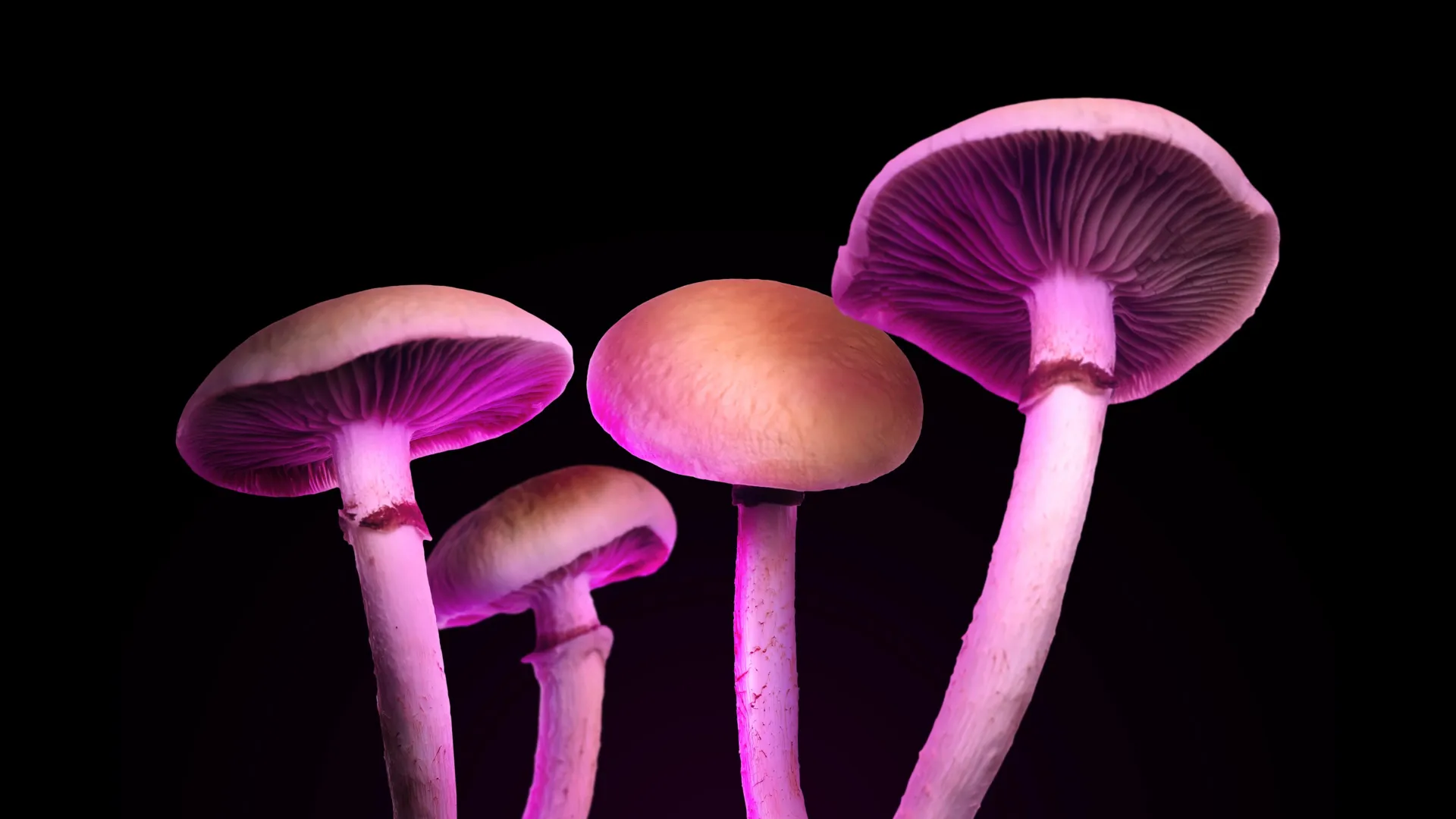
The intricate dance of serotonin, a crucial neurotransmitter governing mood and cognitive functions, has long been a focal point in understanding and treating a spectrum of neurological and psychiatric conditions. From the debilitating grip of depression and pervasive anxiety to the challenges of substance dependence and the progressive decline seen in certain neurodegenerative disorders, disruptions in serotonin pathways are frequently implicated. This scientific fascination has naturally extended to compounds like psilocybin, the naturally occurring psychoactive ingredient in certain fungi, often colloquially termed "magic mushrooms." For years, researchers have been captivated by psilocybin’s profound influence on serotonin signaling within the brain, hinting at its potential as a therapeutic agent for these complex ailments. However, a significant hurdle has persistently shadowed its clinical promise: the potent, and often disorienting, psychedelic hallucinations that accompany its use. These intense altered states of consciousness, while potentially contributing to therapeutic breakthroughs in some contexts, also present a considerable barrier to widespread medical acceptance and patient willingness to undergo treatment.
In response to this challenge, a dedicated team of scientists has embarked on an innovative path, seeking to decouple the therapeutic benefits of psilocybin from its more overtly hallucinogenic properties. Their groundbreaking work, detailed in a recent publication in the ACS’ Journal of Medicinal Chemistry, centers on the creation and evaluation of synthetically modified versions of psilocin. Psilocin is the active metabolite that the body produces when psilocybin is ingested and metabolized. The core objective of this research was to engineer molecules that retain the capacity to interact beneficially with the brain’s serotonin system while simultaneously attenuating the intensity of the perceptual distortions. This pursuit aims to unlock a new generation of therapeutics that are not only effective but also more palatable and manageable for patients seeking relief from various mental health struggles.
The research initiative, spearheaded by prominent figures including Andrea Mattarei, Sara De Martin, and Paolo Manfredi, involved the meticulous design of five distinct chemical derivatives of psilocin. The strategic intent behind these modifications was to alter the pharmacokinetic profile of the compounds, encouraging a more sustained and gradual release of the active psilocin into the brain. The hypothesis was that this controlled delivery mechanism would modulate the intensity of the signaling cascade, thereby diminishing the overwhelming psychedelic experience without compromising the underlying pharmacological activity essential for therapeutic effect. This approach represents a sophisticated effort to fine-tune the pharmacological action of a naturally occurring compound for optimal clinical utility.
The initial phase of this investigation involved rigorous laboratory testing to assess the stability and absorption characteristics of the newly synthesized psilocin analogs. Employing experimental setups that mimicked human physiological conditions, including the simulation of gastrointestinal absorption and the use of human plasma samples, the researchers systematically evaluated each of the five candidate molecules. This preclinical screening process was crucial in identifying the most promising compound for further development. Among the synthesized variants, a specific molecule, designated as 4e, emerged as particularly noteworthy. It demonstrated robust stability during the simulated absorption process and exhibited a desirable gradual release pattern of psilocin. Crucially, this gradual release was theorized to be a key factor in mitigating hallucinogenic responses. Concurrently, laboratory assays confirmed that compound 4e effectively engaged with critical serotonin receptors, displaying an affinity comparable to that of authentic psilocin, thereby validating its potential to interact with the targeted biological pathways.
Following the promising in vitro results, the research team progressed to in vivo studies, comparing the effects of compound 4e with pharmaceutically standardized psilocybin in a rodent model. The substances were administered orally to mice, and the researchers meticulously monitored the systemic and central nervous system concentrations of psilocin over a 48-hour period. The findings from these experiments provided compelling evidence supporting the distinct pharmacological profile of 4e. The compound demonstrated efficient passage across the blood-brain barrier, a critical step for any centrally acting agent. Furthermore, it resulted in a lower but more prolonged presence of psilocin within the brain compared to the administration of psilocybin. This sustained, lower-level exposure is a cornerstone of the strategy to avoid acute, overwhelming psychedelic effects.
Beyond the pharmacokinetic data, behavioral observations in the animal models provided a critical qualitative distinction between the two compounds. A widely accepted indicator of psychedelic-like activity in rodents is head twitching, a response that is thought to correlate with altered sensory processing. Mice treated with 4e exhibited significantly fewer head twitches than those that received psilocybin, even when administered at equivalent doses. This observation is particularly significant because it occurred despite 4e’s demonstrated potent interaction with serotonin receptors. The researchers attribute this divergence in behavioral response primarily to the differential rates and extents of psilocin release within the brain. The slower, more sustained release mediated by 4e appears to circumvent the intense, rapid influx of the psychoactive compound that is believed to trigger the pronounced hallucinogenic effects observed with psilocybin.
The implications of these findings are substantial for the future of psychotherapeutic drug development. The successful creation of psilocin-based compounds that can reach the brain, activate serotonin receptors, and elicit therapeutic effects while concurrently minimizing intense mind-altering experiences represents a significant advancement. This research suggests that the inherent therapeutic potential of psilocybin-like molecules may be harnessed through rational chemical design, leading to the development of "psychedelic-inspired" medicines that offer a more accessible and less intimidating treatment option. The ability to dissociate the desired pharmacological actions from the subjective, hallucinogenic effects could broaden the applicability of these compounds across a wider patient population, including those who might be deterred by the prospect of profound perceptual alterations.
However, the researchers are careful to emphasize that this work is still in its early stages. While the initial results in animal models are highly encouraging, extensive further investigation is warranted. A comprehensive understanding of the precise mechanisms by which these novel molecules exert their effects, along with a thorough examination of their complete biological impact and potential long-term consequences, is essential. Before these compounds can be considered for human clinical trials, rigorous safety assessments and detailed efficacy studies will be required. The path from laboratory discovery to approved medication is a lengthy and complex one, demanding meticulous validation at every step.
The research that underpins these promising developments was supported by financial contributions from MGGM Therapeutics, LLC, in collaboration with NeuroArbor Therapeutics Inc. Notably, several of the study’s authors have declared their inventorship on patents related to psilocin, indicating their ongoing commitment and expertise in this specialized field of medicinal chemistry and neuroscience. This collaborative effort highlights the multidisciplinary approach necessary to tackle complex challenges in drug discovery and development, bridging the gap between fundamental scientific inquiry and the potential for real-world therapeutic innovation. The continued exploration of these modified psilocin derivatives holds the potential to redefine how we approach the treatment of mood disorders and other brain-related conditions, offering a novel avenue for relief with a potentially improved safety and tolerability profile.
Related posts:

Related News