In a pivotal moment for public health on the African continent, a far-reaching cooperative framework has been formally introduced by the Africa Centres for Disease Control and Prevention (Africa CDC) and the World Health Organization (WHO) to address the persistent threat posed by the Bundibugyo strain of the Ebola virus. This joint continental preparedness and response initiative, designed to cover a critical six-month period from June to November 2026, aims to consolidate resources and expertise across the region, necessitating a substantial financial commitment of US$518 million. The ambitious plan underscores a collective resolve to not only contain the current outbreak but also to fortify national health infrastructures against future biological threats, marking a significant advancement in coordinated regional disease management.
The Bundibugyo ebolavirus (BDBV) presents a formidable challenge, distinguished from its more frequently encountered Zaire counterpart by the current absence of licensed vaccines or specific therapeutic interventions. This crucial distinction significantly impacts response strategies, shifting the primary focus towards robust containment measures, early detection, stringent infection prevention and control (IPC), and comprehensive supportive clinical care. Historically, outbreaks of BDBV have been characterized by high case fatality rates, often ranging between 25% and 90%, emphasizing the urgent need for a unified and rapid response. The virus, first identified in 2007 in Bundibugyo District, Uganda, primarily spreads through direct contact with the blood, secretions, organs, or other bodily fluids of infected people, and from contaminated surfaces and materials. Its unpredictable nature and the severe health outcomes it precipitates necessitate an immediate, coordinated, and well-funded intervention to safeguard human lives and prevent widespread regional destabilization.
Central to this new continental blueprint is the principle of "One Response," an overarching philosophy that seeks to synchronize the efforts of governments, international partners, and local communities under a singular, coherent operational umbrella. This integrated approach is a direct reflection of hard-won lessons from previous Ebola epidemics, where fragmented efforts often hindered effective containment and fostered distrust within affected populations. Dr. Tedros Adhanom Ghebreyesus, the Director-General of WHO, articulated the foundational tenets of this strategy, stating that successful eradication hinges on an integrated partnership, guided by the unambiguous principle of "one plan, one budget, one team." He further emphasized the indispensable role of political will, consistent financial backing, and, critically, the active engagement and trust of communities, without which essential activities like contact tracing and timely access to care become severely compromised, allowing transmission chains to persist unchecked.
Echoing this urgency, Dr. Jean Kaseya, Director-General of Africa CDC, underscored the imperative for speed and unity. "Ebola moves fast. Africa must move faster," he asserted, highlighting that the joint plan provides a clear strategic pathway for the continent to act decisively and cohesively. This swift, coordinated action is designed to protect vulnerable communities, support nations grappling with active outbreaks, and shield neighboring territories from contagion. Through this collaboration with Member States, WHO, and other key partners, Africa CDC is actively translating strategic commitments into tangible actions and channeling vital resources directly into the response efforts for those at highest risk.
The comprehensive framework outlines several critical operational pillars designed to reinforce outbreak response capabilities across the continent. These include:
- Emergency Coordination: Establishing robust, multi-sectoral coordination mechanisms at national and regional levels to ensure seamless information exchange and resource deployment. This is especially vital for cross-border cooperation.
- Disease Surveillance: Enhancing active case finding, strengthening laboratory capacities for rapid and accurate diagnosis, and implementing sophisticated early warning systems to detect new cases swiftly.
- Laboratory Testing: Expanding access to diagnostic facilities, training personnel, and deploying mobile laboratories to reach remote areas, which is crucial given the specific diagnostic challenges of Bundibugyo.
- Infection Prevention and Control (IPC): Implementing rigorous IPC protocols in healthcare facilities, promoting safe burial practices, and disseminating public health messages on hygiene and protective measures to break transmission chains.
- Clinical Care: Establishing dedicated isolation and treatment centers, providing comprehensive supportive care for patients, and ensuring the safety and training of frontline health workers.
- Community Engagement: Building trust through transparent communication, involving local leaders and community networks in designing and implementing response activities, and combating misinformation to ensure public cooperation and adherence to health guidelines.
- Research and Development: Although no licensed therapeutics exist for BDBV, the plan supports ongoing research into diagnostic tools, potential treatments, and vaccine candidates specifically targeting this strain.
- Logistics and Support: Ensuring a steady supply chain for essential medical equipment, personal protective equipment (PPE), and other critical resources, alongside efficient transportation and operational support.
- Support for Essential Health Services: Crucially, the plan integrates efforts to prevent the disruption of other vital health programs, such as those addressing mpox, cholera, and measles. This integrated approach is vital for maintaining overall health system resilience and avoiding secondary public health crises.
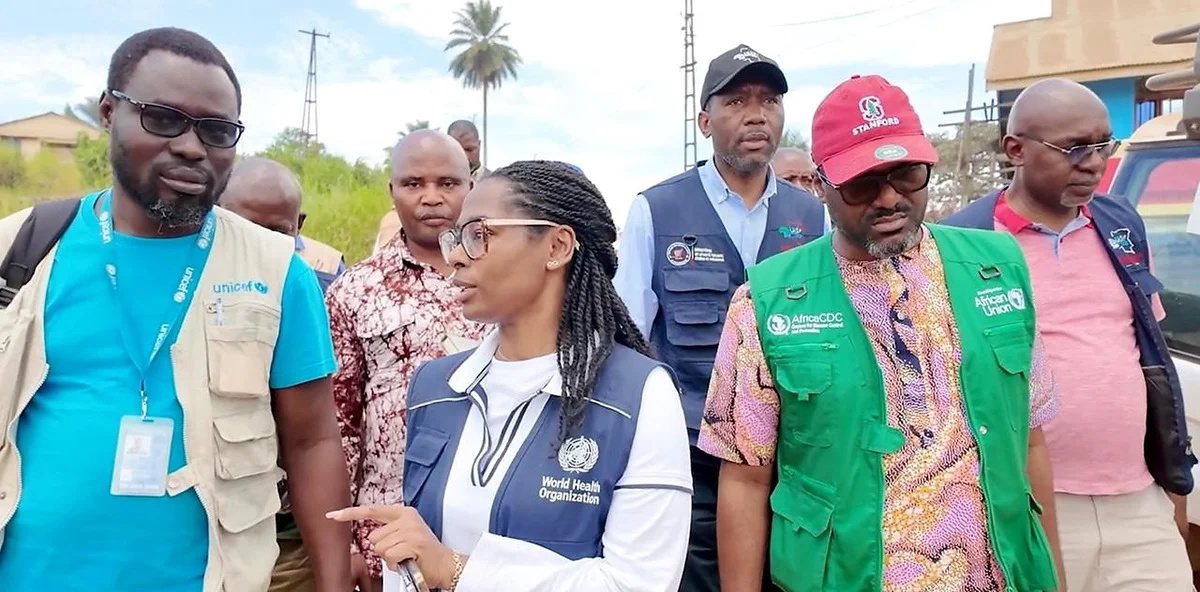
The urgency of this continental initiative is further amplified by the ongoing response operations accelerating within the Democratic Republic of the Congo (DRC), where authorities, in collaboration with Africa CDC, WHO, and various partners, are intensifying their efforts to control the virus’s propagation. The continental plan serves as a vital complement to the national response strategies already implemented by the governments of the Democratic Republic of the Congo and Uganda, providing an additional layer of support, coordination, and resource mobilization. The focus extends beyond these directly affected nations, with critical measures being strengthened in 10 priority countries to bolster their public health emergency preparedness, ensuring early detection and a swift, decisive response should the virus emerge within their borders.
A significant component of the strategy is the emphasis on protecting particularly vulnerable populations, including those residing in remote areas, conflict zones, or cross-border communities. The plan mandates strengthening screening procedures and public health measures at points of entry, alongside enhancing cross-border coordination and solidarity. This regional cooperation is deemed essential for a timely, effective, and evidence-based response, acknowledging that disease pathogens do not respect national boundaries. By pooling collective expertise and resources, the continent aims to act as a unified entity to control the current outbreak and safeguard communities across the entire region.
Drawing extensively on critical insights garnered from previous Ebola outbreaks and other recent public health emergencies, this comprehensive strategy offers a clear pathway not just for immediate crisis management but also for the long-term enhancement of Africa’s inherent capacity to prevent, detect, and respond to future health threats. These lessons include the critical importance of rapid deployment of resources, the necessity of robust surveillance systems, the indispensable role of community trust, and the efficacy of an integrated, multi-sectoral approach. The successful execution of this ambitious plan will undeniably necessitate sustained political commitment from Member States, continuous financial investment from both internal and external stakeholders, and unwavering collaborative efforts among national governments, dedicated health workers, local communities, and international partners. Ultimately, this concerted effort represents a profound commitment to protecting lives and livelihoods across Africa, reinforcing the continent’s ability to withstand and overcome complex health challenges.
About the Author