In a decisive move to pre-empt and mitigate the potential spread of the Bundibugyo ebolavirus, the Africa Centres for Disease Control and Prevention (Africa CDC) and the World Health Organization (WHO) have collaboratively introduced a comprehensive continental preparedness and response framework. This ambitious six-month initiative, spanning from June to November 2026, seeks to mobilize a substantial US$518 million in funding, earmarked to bolster African nations and their partners in their collective efforts to anticipate, swiftly identify, and effectively counter the viral threat. The joint declaration underscores a unified commitment to safeguarding public health across the continent amidst ongoing outbreaks.
The current public health landscape in Africa is characterized by persistent challenges, with outbreaks of infectious diseases frequently emerging. Ebola virus disease (EVD), particularly the Bundibugyo strain, presents a formidable challenge due to its high fatality rate and potential for rapid transmission. Unlike the more common Zaire ebolavirus, for which licensed vaccines and therapeutics exist, the Bundibugyo species currently lacks specific approved countermeasures, intensifying the urgency of robust preparedness and response mechanisms. This continental strategy emerges as a critical intervention, complementing existing national action plans already in motion within countries like the Democratic Republic of Congo (DRC) and Uganda, which are currently grappling with active cases.
At the heart of this collaborative endeavor lies the "One Response" philosophy, a guiding principle that champions seamless integration and coordination among governments, international partners, local communities, and health workers. This integrated approach is designed to synchronize various critical components of outbreak management, ensuring a cohesive and impactful intervention. Key pillars of this strategy include the establishment of robust emergency coordination mechanisms, which involve setting up multi-sectoral task forces and incident management systems to direct and monitor response activities. Enhanced disease surveillance systems are paramount, focusing on active case finding, meticulous contact tracing, and real-time data analysis to track the virus’s movement and identify potential hotspots.
Laboratory testing capabilities are slated for significant reinforcement, aiming to expand diagnostic capacity across the continent. This involves providing essential reagents, equipment, and training for laboratory personnel to ensure rapid and accurate identification of cases, which is crucial for containment. Infection prevention and control (IPC) measures will be rigorously implemented and scaled up in healthcare settings, encompassing training for healthcare workers, provision of personal protective equipment (PPE), and adherence to strict protocols for waste management and safe burial practices. Clinical care pathways will be strengthened, focusing on establishing isolation units, delivering supportive treatment to patients, and ensuring the safety and well-being of frontline healthcare providers.
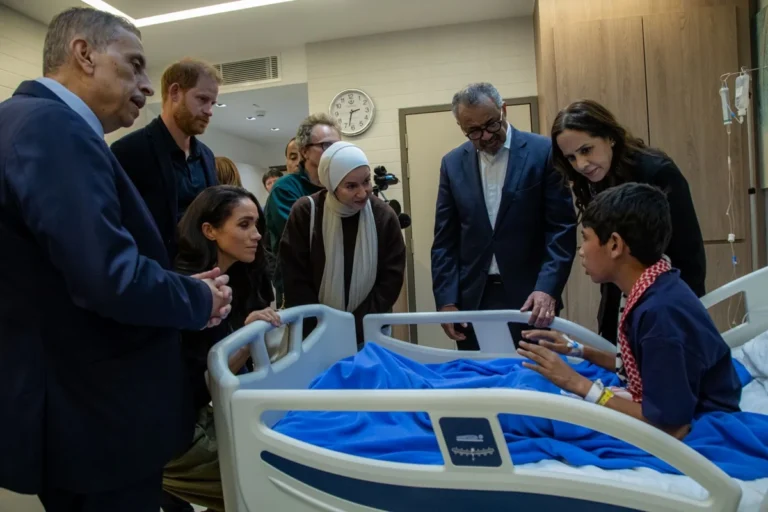
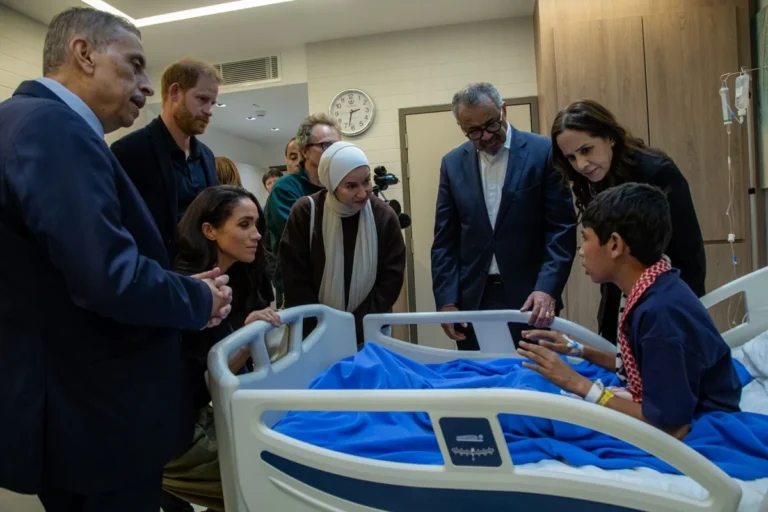
A central tenet of the "One Response" strategy, as emphasized by Dr. Tedros Adhanom Ghebreyesus, the WHO Director-General, is the pivotal role of community engagement. Dr. Tedros articulated, "The only way to beat this outbreak is through close partnership, working together under the leadership of the affected countries in one coordinated effort, guided by a simple principle: one plan, one budget, one team. Containing Ebola depends on political commitment, sustained financing, and the trust and engagement of communities. This plan places communities at the centre, because without their participation, contact tracing falters, safe care is delayed, and transmission continues." This highlights the indispensable need to foster trust, disseminate accurate information, and empower local populations to actively participate in prevention and response efforts, thereby overcoming vaccine hesitancy, combating misinformation, and facilitating early reporting of symptoms.
Echoing this sentiment, Dr. Jean Kaseya, Director-General of Africa CDC, underscored the imperative for swift action. "Ebola moves fast. Africa must move faster. This joint plan gives the continent a clear path to act with speed and unity: to save lives, support the affected countries and protect neighbouring communities. With Member States, WHO and partners, Africa CDC is turning commitment into action and resources into response for the communities at risk." His statement reflects a strategic pivot towards proactive, unified action to outpace the virus and mitigate its devastating impact.
Beyond immediate containment, the comprehensive plan integrates a focus on crucial long-term objectives. Protecting vulnerable populations stands as a key priority, recognizing that certain groups, such as children, pregnant women, and those with pre-existing health conditions, are disproportionately affected by outbreaks. The strategy aims to tailor interventions to meet their specific needs, ensuring equitable access to care and protection. Cross-border collaboration is another critical element, given the porous nature of many African borders and the frequent movement of people and goods. The plan advocates for harmonized screening protocols at points of entry, coordinated surveillance efforts, and shared intelligence among neighboring countries to prevent the international spread of the virus.
A significant aspect of the initiative is its commitment to strengthening overall health systems, ensuring their resilience even as countries confront acute health emergencies. This involves investing in infrastructure, human resources, and sustainable funding mechanisms that can withstand the pressures of disease outbreaks without compromising routine healthcare services. The absence of specific licensed vaccines or therapeutics for the Bundibugyo ebolavirus makes this systemic strengthening even more vital, as the primary tools for response remain robust public health measures and effective supportive care. Furthermore, the plan acknowledges the need to sustain support for other concurrent health crises, such as mpox, cholera, and measles, to avoid diverting resources or attention that could undermine progress in these areas. This holistic approach aims to build a more resilient public health architecture capable of addressing multiple threats simultaneously.
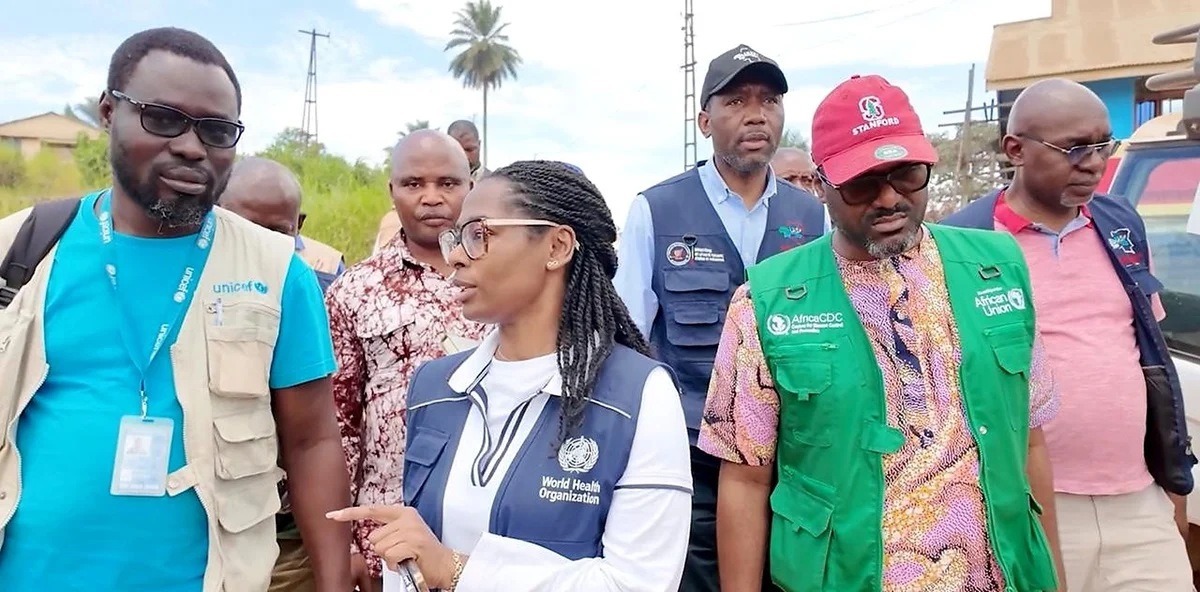
Implementation of key preparedness and response activities is already in motion across several affected and at-risk countries. In a targeted approach, ten priority nations are receiving intensified support to enhance their public health emergency preparedness capabilities. This involves strengthening their capacities for early detection, rapid risk assessment, and swift response deployment, forming a critical line of defense against potential outbreaks. The current acceleration of response operations in the Democratic Republic of Congo, bolstered by the collaborative efforts of national authorities, Africa CDC, WHO, and other partners, serves as a tangible example of the plan’s principles in action.
The Africa CDC, as the autonomous public health agency of the African Union, plays a pivotal role in this continental effort. Its mandate to support AU Member States in fortifying health systems, improving disease surveillance, and enhancing emergency preparedness and response positions it as a key orchestrator of the unified strategy. Working in close collaboration with Member States, Regional Economic Communities, and international partners, Africa CDC is instrumental in translating commitment into tangible action on the ground. Similarly, the World Health Organization, as the leading global health authority, contributes its extensive technical expertise, normative guidance, and operational support, coordinating international efforts and mobilizing resources to achieve global health security.
Drawing valuable insights from previous Ebola epidemics, including the devastating West African outbreak of 2014-2016 and subsequent localized outbreaks in the DRC, the joint plan incorporates lessons learned regarding the critical importance of early detection, community trust, rapid deployment of resources, and integrated cross-border coordination. This forward-looking strategy not only aims to control the immediate threat posed by the Bundibugyo ebolavirus but also provides a clear pathway to broadly strengthen Africa’s capacity to prevent, detect, and respond to a spectrum of future health threats. Its successful realization hinges on unwavering political commitment from national governments, sustained financial investment from international donors, and robust collaboration among health workers, communities, and partner organizations. Through this collective mobilization of expertise and resources, the continent endeavors to act as one, protecting lives and livelihoods across the entire region and fostering a more secure public health future.
About the Author