
A groundbreaking study, bolstered by recent National Institutes of Health funding, is illuminating a previously underappreciated molecular mechanism within the brain that could hold significant promise for combating Alzheimer’s disease. Researchers at Johns Hopkins Medicine have identified a crucial protein whose function, particularly its role in generating a specific gas, appears intrinsically linked to the very processes of memory formation and neural integrity. This investigation centers on Cystathionine γ-lyase, or CSE, an enzyme more commonly recognized for its production of hydrogen sulfide, a compound infamous for its pungent, "rotten egg" odor. However, this research delves into the gas’s subtler, yet vital, contributions to brain health.
The scientific inquiry, detailed in the prestigious journal Proceedings of the National Academy of Sciences, is systematically dissecting how CSE operates and whether augmenting its activity could serve as a protective shield for brain cells, thereby potentially slowing the relentless march of neurodegenerative conditions like Alzheimer’s. The implications of this work extend beyond a mere academic understanding; they suggest a tangible new direction for therapeutic development.
Early investigations had hinted at hydrogen sulfide’s neuroprotective capabilities in preclinical models. These findings, however, were tempered by the understanding that in substantial quantities, the gas can exhibit toxicity, posing a challenge for direct therapeutic delivery to the brain. Consequently, the scientific focus has shifted toward deciphering methods to safely maintain the exceedingly low, naturally occurring concentrations of hydrogen sulfide within neurons.
The current findings provide compelling evidence that genetically engineered mice lacking the CSE enzyme exhibit marked impairments in their capacity for memory and learning. Furthermore, these CSE-deficient subjects displayed heightened indicators of oxidative stress, DNA damage, and a compromised blood-brain barrier – a trifecta of pathological changes frequently observed in individuals afflicted with Alzheimer’s disease. Dr. Bindu Paul, the study’s senior author and an associate professor at Johns Hopkins University School of Medicine, underscored the significance of these observations, noting that the absence of CSE mirrored key pathological hallmarks of the disease.
This latest research stands on the shoulders of extensive prior investigations spearheaded by Dr. Solomon Snyder, a distinguished professor emeritus of neuroscience, pharmacology, and psychiatry. As far back as 2014, Dr. Snyder’s laboratory published findings indicating that CSE played a supportive role in brain health within mouse models exhibiting Huntington’s disease. Their methodology involved utilizing mice genetically engineered to be devoid of the CSE protein, a line of inquiry that originated in 2008 when the protein’s involvement in vascular function and the regulation of blood pressure first came to light.
Further building on this foundation, in 2021, Dr. Snyder’s group reported that CSE function was demonstrably impaired in mice exhibiting Alzheimer’s-like pathology. In those experiments, minuscule direct administrations of hydrogen sulfide proved effective in safeguarding cognitive function. While those earlier studies concentrated on mouse models burdened with additional genetic predispositions to neurodegenerative disorders, the current research meticulously isolates the specific impact of CSE itself, disentangling its role from other genetic factors.
"This most recent work strongly suggests that CSE, in isolation, is a critical determinant of cognitive performance and offers a novel therapeutic avenue for addressing Alzheimer’s disease," commented Dr. Snyder, who concluded his faculty tenure at Johns Hopkins Medicine in 2023, but continues to contribute to groundbreaking research.
To meticulously map the intricate relationship between CSE and memory, the research team employed a comparative approach, juxtaposing mice engineered to lack the protein with their wild-type counterparts from the same genetic lineage established in 2008. A standard behavioral test, the Barnes maze, was utilized to assess spatial memory – the ability to navigate and recall directional information.
In this experimental setup, mice are trained to locate a hidden escape platform to evade a stressful, brightly lit arena. While young mice, at two months of age, both CSE-deficient and normal, demonstrated comparable proficiency in finding the shelter within a three-minute timeframe, a divergence emerged by six months. At this later stage, the mice lacking CSE struggled significantly to locate the escape route, whereas the control group maintained their successful navigation abilities.
"This observed decline in spatial memory is indicative of a progressive neurodegenerative process that can be directly attributed to the loss of CSE function," stated Dr. Suwarna Chakraborty, the study’s lead author and a researcher within Dr. Paul’s laboratory, highlighting the temporal correlation between protein deficiency and cognitive decline.
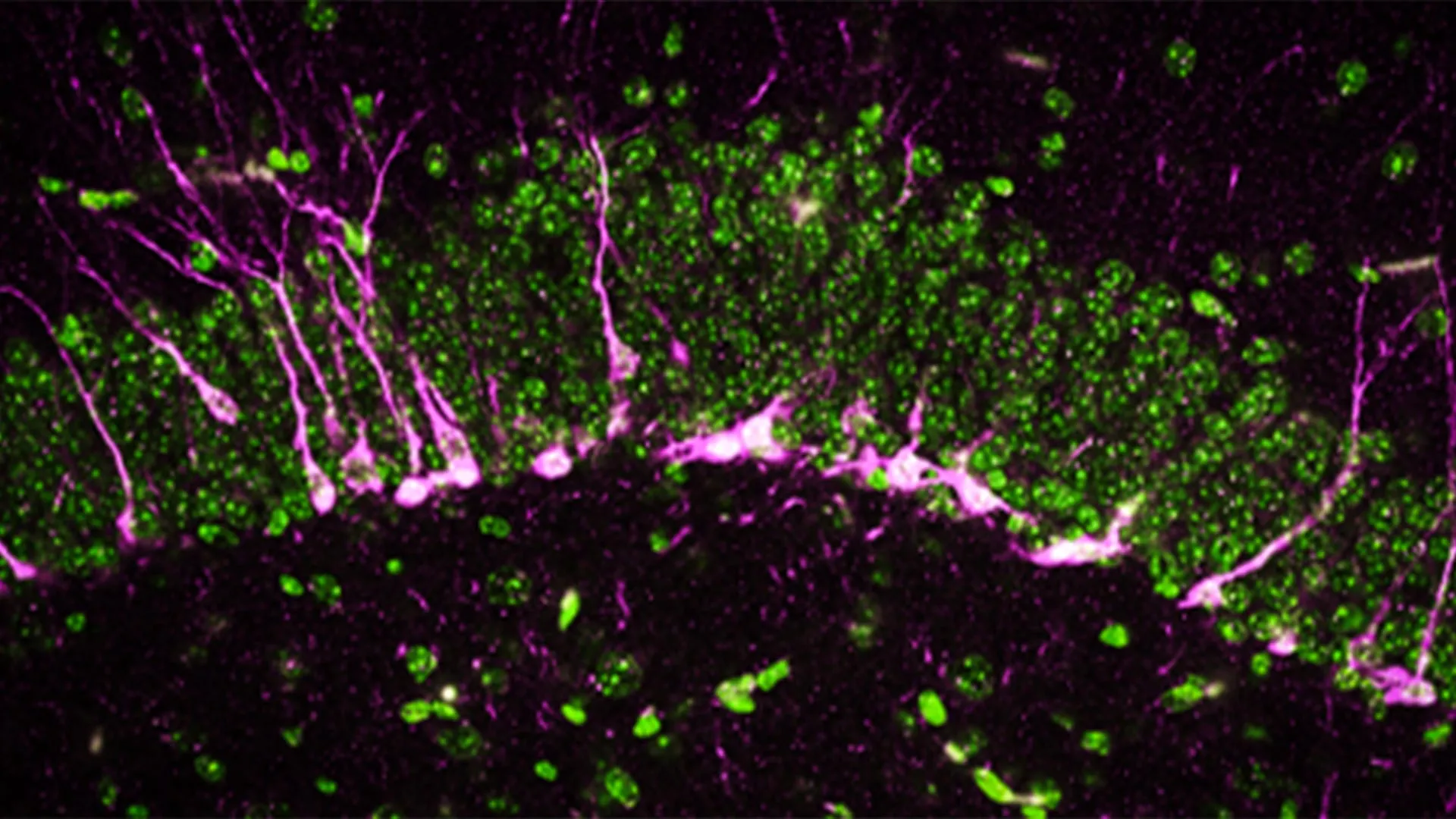
Beyond behavioral assessments, the researchers delved into the cellular repercussions of CSE deficiency within the brain. The hippocampus, a brain region indispensable for learning and memory consolidation, relies heavily on the continuous generation of new neurons, a process known as neurogenesis. Disruptions to this delicate developmental pathway are a well-established hallmark of neurodegenerative diseases.
Through sophisticated biochemical analyses and advanced imaging techniques, the team discovered that key proteins integral to neurogenesis were either diminished in quantity or entirely absent in the brains of mice that did not express CSE. Further microscopic examination, employing high-resolution electron microscopy, revealed tangible structural damage within the brains of these subjects. Specifically, they identified substantial discontinuities in the cerebral vasculature, signifying damage to the blood-brain barrier – another critical indicator frequently associated with Alzheimer’s disease. Moreover, the study observed that newly generated neurons in these mice encountered significant obstacles in migrating to the hippocampus, a crucial step for their integration and function in memory formation.
"The multifaceted deficits observed in CSE-lacking mice provide a compelling correlation with the clinical manifestations and pathological changes seen in human Alzheimer’s disease," remarked Dr. Sunil Jamuna Tripathi, a co-first author and fellow researcher in Dr. Paul’s lab, emphasizing the translational relevance of the findings.
Alzheimer’s disease represents a profound public health challenge, affecting over six million individuals in the United States alone, with projections indicating a continued rise in prevalence, according to the U.S. Centers for Disease Control and Prevention. To date, no therapeutic interventions have consistently demonstrated the capacity to halt or even substantially slow the disease’s inexorable progression.
The current research posits that targeting the CSE enzyme and its endogenous production of hydrogen sulfide could unlock an innovative therapeutic strategy. Such an approach might offer a novel pathway for developing treatments designed to fortify brain function and decelerate the advancement of neurodegenerative processes.
This vital research was made possible through substantial financial backing from a consortium of esteemed organizations, including the National Institutes of Health, which provided grants under multiple identifiers (1R01AG071512, P50 DA044123, 1R21AG073684, O1AGs066707, U01 AG073323, AG077396, NS101967, NS133688, P01CA236778). Additional support was generously contributed by the Department of Defense (HT94252310443), the American Heart Association, the AHA-Allen Initiative in Brain Health and Cognitive Impairment, the Solve ME/CFS Initiative, a Catalyst Award from Johns Hopkins University, the Valour Foundation, the Wick Foundation, a Department of Veterans Affairs Merit Award (I01BX005976), the Louis Stokes Cleveland Department of Medical Affairs Veterans Center, the Mary Alice Smith Funds for Neuropsychiatry Research, the Lincoln Neurotherapeutics Research Fund, the Gordon and Evie Safran Neuropsychiatry Fund, and the Leonard Krieger Fund of the Cleveland Foundation.
The collaborative effort involved a distinguished group of scientists. Beyond Dr. Paul, Dr. Snyder, Dr. Chakraborty, and Dr. Tripathi, the research team included Richa Tyagi and Benjamin Orsburn from Johns Hopkins University. Contributions also came from Edwin Vázquez-Rosa, Kalyani Chaubey, Hisashi Fujioka, Emiko Miller, and Andrew Pieper at Case Western University; Thibaut Vignane and Milos Filipovic from the Leibniz Institute for Analytical Sciences in Germany; Sudarshana Sharma at Hollings Cancer Center; Bobby Thomas from the Darby Children’s Research Institute and the Medical University of South Carolina; and Zachary Weil and Randy Nelson from the West Virginia University School of Medicine. This multidisciplinary collaboration underscores the complexity and breadth of the endeavor to unravel the intricate role of CSE in brain health.
About the Author












