A comprehensive new assessment by the World Health Organization (WHO) reveals a complex landscape in global blood services, marking significant advancements in the safety and availability of blood supplies while simultaneously exposing profound disparities in patient access. The data, compiled from 132 countries, underscores a global commitment to improving blood collection practices, notably through the increasing reliance on voluntary, unpaid donors, yet it casts a stark light on the persistent challenges that leave millions without life-saving transfusions, particularly in lower-income regions.
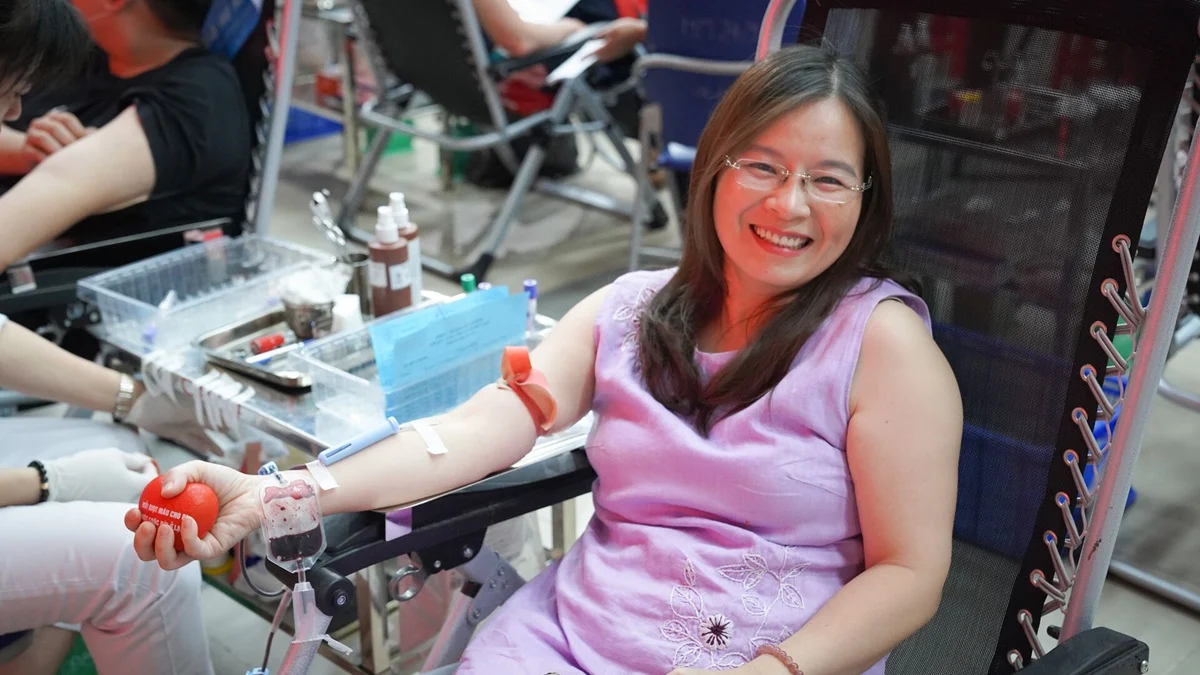
Between 2013 and 2023, the world witnessed a substantial surge in blood collections, with figures indicating an almost 19% increase over the decade. This growth signifies a concerted international effort to bolster national blood reserves and meet the ever-present demand for transfusions. At the heart of this progress lies the invaluable contribution of voluntary, unpaid blood donors, who accounted for more than 85% of the estimated 120 million blood donations recorded in 2023. These altruistic individuals form the bedrock of a secure blood supply, as donations from this group are generally associated with a lower risk of transmitting infections compared to family/replacement or paid donors. Their sustained generosity is critical for maintaining robust and pathogen-free blood inventories worldwide.
Despite these encouraging trends, the equitable distribution and accessibility of safe blood and its derivatives remain a formidable global health challenge. A diverse array of patients, spanning critical care scenarios to chronic medical conditions, continue to face precarious access to these essential resources. This includes women confronting life-threatening postpartum hemorrhage, children suffering from severe anemia, victims of traumatic accidents or extensive burns requiring urgent transfusions, individuals undergoing complex surgical procedures, and those managing lifelong conditions such as sickle-cell disease, thalassemia, hemophilia, various immune deficiencies, and certain types of cancer. The geographical lottery of healthcare means that where a person resides often dictates their chances of receiving timely and appropriate blood transfusions, with lower-income nations bearing the brunt of these systemic deficiencies.
Dr. Tedros Adhanom Ghebreyesus, the Director-General of the WHO, powerfully articulated the moral imperative underlying these findings. "No individual should perish simply because safe blood is unavailable when medical necessity dictates," he stated, emphasizing the ethical dimension of blood accessibility. While acknowledging the commendable progress, particularly the expanding role of voluntary, unpaid donors—whom he termed the "cornerstone of safe and sustainable blood supplies"—Dr. Tedros also issued a sobering reminder that geographical location can still be a determinant in access to vital transfusions. He urged governments to reinforce their commitment to developing robust, self-sustaining national blood systems and to continually champion the voluntary donors whose selfless acts are instrumental in preserving countless lives annually.
The uneven distribution of blood resources across the globe is starkly evident in the disproportionate collection rates. High-income countries, which constitute merely 15% of the world’s population, are responsible for gathering a remarkable 36% of all global blood donations. This stark contrast highlights a significant resource imbalance. Conversely, many lower-income countries grapple with persistent blood supply shortages, a predicament exacerbated by a confluence of factors including insufficient financial investment, underdeveloped infrastructure, significant logistical hurdles in collection and distribution, and inadequate donor recruitment strategies.
Variations in national blood donation rates further underscore these disparities, ranging dramatically from a mere 0.4 donations per 1000 population in some areas to as high as 53 donations per 1000 in others. A concerning statistic reveals that twenty-four countries reported collecting fewer than 5 blood donations per 1000 inhabitants. Such low rates represent critical limitations in the capacity of national health systems to provide timely and adequate transfusions, placing immense strain on emergency services and routine medical care in these regions.
The composition of donor pools also reflects this global economic divide. In high-income countries, voluntary, unpaid donations constitute an overwhelming 98.4% of all collected blood. This figure drops significantly to 63.4% in low-income countries, where healthcare systems frequently struggle to establish and maintain a consistent and reliable supply of safe blood. The reliance on other donor types, such as family/replacement donors (who donate specifically for a relative) or, in some cases, paid donors, can introduce additional complexities and potential risks to blood safety, making the transition to a fully voluntary system a critical public health goal.
Beyond the challenges of donor recruitment and collection, the foundational integrity of blood systems hinges on robust governance and stringent regulatory frameworks. The WHO’s analysis brings to light significant deficiencies in these critical areas, revealing that nearly one-third of all countries still operate without specific legislative instruments designed to guarantee the safety and quality of blood and blood products. This legislative void can create an environment where standards are inconsistent, accountability is diffuse, and public trust may be eroded. Furthermore, only 64% of nations possess documented systems for the regular inspection of blood services, 62% have established licensing mechanisms, and a mere 40% report that at least some of their blood transfusion services have achieved accreditation. These figures expose considerable gaps in quality assurance protocols across the entire blood supply chain, from donor screening and collection to processing, testing, storage, and transfusion.
Sustainable financing represents another formidable obstacle to achieving universal access to safe blood. More than one in seven countries indicated a lack of either dedicated governmental budgetary allocations or effective cost-recovery mechanisms for their blood services. This precarious financial footing raises serious concerns regarding the long-term viability and operational stability of national blood supplies, potentially leading to equipment shortages, inadequate staffing, compromised cold chain management, and an inability to invest in essential training and infrastructure upgrades.
In light of these multifaceted challenges, the WHO has issued a comprehensive call to action, urging countries and their international partners to intensify efforts in strengthening governance and regulatory oversight of blood services. This includes establishing and enforcing clear legislation, implementing rigorous inspection and licensing systems, and expanding accreditation programs to elevate quality assurance. Furthermore, the organization advocates for securing sustainable financing models, enhancing clinical transfusion practices to ensure the appropriate and judicious use of blood products, and bolstering surveillance and data systems. These improved data infrastructures are crucial for facilitating evidence-based decision-making and for effectively monitoring progress. These concerted measures are not merely recommendations; they are deemed essential steps towards realizing the vision of universal access to safe, effective, and quality-assured blood and blood products, thereby upholding the fundamental right to health for every individual, irrespective of their geographical location.
The release of this critical dataset precedes World Blood Donor Day, an annual observance held on June 14th. This year’s campaign, encapsulated by the inspiring slogan "One Drop of Humanity. Give Blood. Save Lives," serves as a global tribute to the invaluable contributions of voluntary, unpaid blood donors. It aims to amplify awareness that each individual donation not only directly aids patients in their time of need but also plays an integral role in fortifying community health and building more resilient national healthcare systems.
The Global status report on blood safety and availability 2025 is built upon data gathered from 168 countries, collectively encompassing 97% of the global population. It stands as the most comprehensive international evaluation of blood systems to date, meticulously examining various facets including blood availability, transfusion safety protocols, the clinical application of blood, access to plasma-derived medicinal products, and the intrinsic capacity of national blood infrastructures. The report’s findings are predominantly anchored in 2023 data, meticulously reported by participating nations through the WHO’s Global Database on Blood Safety (GDBS), providing a robust foundation for understanding the current state and future trajectory of global blood supplies.
About the Author