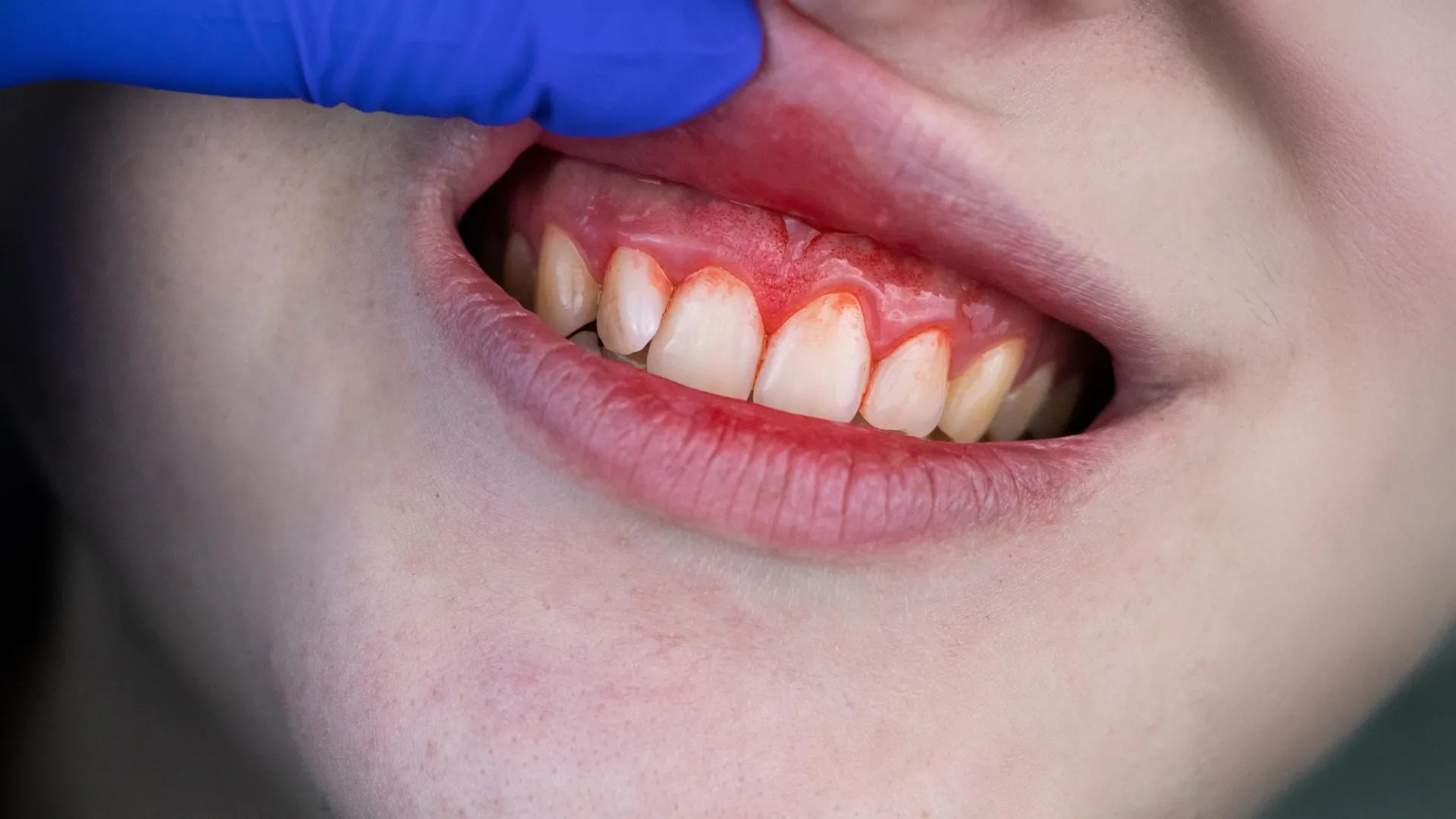
A significant clinical investigation, involving a collaborative effort between institutions in Brazil and the United States, has unveiled promising findings regarding alternative therapeutic approaches for severe periodontitis, a chronic inflammatory condition affecting the gums and supporting tooth structures. The research, spearheaded by scientists affiliated with Albert Einstein Israelite Hospital, Guarulhos University (UNG), the University of Taubaté (UNITAU), and the Ribeirão Preto School of Dentistry at USP (FORP-USP), in conjunction with Harvard University, suggests that a synergistic combination of omega-3 fatty acids and low-dose acetylsalicylic acid (ASA) can achieve treatment outcomes on par with conventional antibiotic therapies over a one-year period. These groundbreaking results, disseminated in the esteemed Journal of Periodontology, hold substantial implications for reducing the reliance on antibiotics in managing certain patient populations, a critical consideration given the escalating global challenge of antimicrobial resistance.
Periodontitis, when left unaddressed, progresses beyond simple gum inflammation to a destructive phase that erodes the periodontal ligaments and alveolar bone anchoring teeth. This advanced stage is characterized by deep gum pockets, which unfortunately serve as breeding grounds for pathogenic bacteria. "Patients with severe disease present with very deep pockets, acting as reservoirs for bacteria associated with the condition. It is an exceptionally difficult ailment to treat effectively," explained dental surgeon Nádia Cristina Castro dos Santos, the study’s lead author and a professor and researcher at Einstein. The detrimental cascade initiated by bacterial accumulation can lead to tooth mobility and, ultimately, tooth loss, profoundly impacting oral health and overall quality of life.
To rigorously assess potential new treatment modalities, the researchers designed a comprehensive, yearlong clinical trial encompassing 109 individuals diagnosed with advanced periodontitis. The study, generously supported by FAPESP (projects 20/05874-2 and 20/05875-9), meticulously followed participants and employed a randomized controlled design to compare four distinct therapeutic strategies. Every participant underwent subgingival instrumentation, a foundational procedure commonly known as scaling, which is a standard intervention for periodontitis aimed at meticulously removing bacterial deposits and calculus from beneath the gum line.
The critical differentiation among the study groups lay in the supplementary treatments administered post-scaling. One cohort received placebo versions of the active agents—omega-3, ASA, and antibiotics—carefully formulated in capsules that were indistinguishable from their active counterparts, serving as a baseline for comparison. A second group was administered a well-established antibiotic regimen, comprising metronidazole and amoxicillin, a combination recognized for its robust scientific backing in treating severe periodontitis. This antibiotic course was prescribed for 14 days, with patients taking the medications three times daily.
The third experimental arm of the study introduced the dietary supplementation approach. Participants in this group received a daily intake of three grams of omega-3 fatty acids alongside a daily dose of aspirin, a regimen maintained for a continuous period of six months. A fourth group received a combined therapy, undergoing the 14-day antibiotic treatment concurrently with the six-month omega-3 and ASA supplementation protocol. This multifaceted design allowed researchers to discern the individual and synergistic effects of each intervention.
The efficacy of each treatment strategy was systematically evaluated at multiple junctures: three months, six months, and a definitive twelve-month follow-up. The primary clinical endpoint established by the researchers for success was defined as the absence of more than four remaining deep periodontal pockets (defined as a probing depth of 5mm or greater). This objective measure provided a quantifiable standard for assessing treatment success in reducing the severity of the disease.
Remarkably, after the full year of observation, the group receiving the omega-3 and ASA combination demonstrated an outcome that closely mirrored that of the antibiotic treatment group. Approximately 58% of patients in the antibiotic arm achieved the target of having four or fewer deep periodontal pockets. The omega-3 and ASA cohort exhibited a statistically indistinguishable result, with 57.7% of participants meeting the same clinical benchmark. In stark contrast, the control group, which received only scaling and placebo, saw only 23.1% of patients achieve the desired clinical outcome, highlighting the significant adjunctive benefits of both the antibiotic and the dietary supplement regimens over standard care alone.
An unexpected yet significant finding emerged from the combined therapy group: the concurrent administration of antibiotics with omega-3 and ASA did not confer any additional therapeutic advantage beyond what was observed with either strategy employed independently. This observation suggests that the mechanisms of action of these interventions may be reaching a point of saturation or that the complementary benefits do not linearly increase with combined use in this specific context.
"The utilization of antibiotics is not universally considered the definitive standard of care," commented Dr. Castro dos Santos. "While metronidazole and amoxicillin yield favorable outcomes in the most severe instances, their application warrants careful, case-by-case evaluation due to the inherent risks associated with bacterial resistance and potential adverse side effects." This statement underscores the growing imperative to explore alternative strategies that can mitigate the overuse of antibiotics.
The current findings are strongly supported by a body of prior research that has explored the anti-inflammatory properties of omega-3 fatty acids in the context of periodontal disease. An earlier investigation, also funded by FAPESP and published in Scientific Reports, utilized an animal model (rats) and revealed that omega-3 supplementation significantly reduced both inflammation and bone loss associated with periodontal disease, with a particularly pronounced effect when combined with physical exercise. While animal studies cannot directly translate to human outcomes, they provide crucial mechanistic insights and build a compelling biological rationale for further human investigation.
Dr. Castro elaborated on the distinct mechanism by which omega-3 fatty acids exert their beneficial effects. Unlike conventional anti-inflammatory medications that primarily act by blocking specific inflammatory pathways, omega-3s are precursors to specialized pro-resolving mediators (SPMs). These SPMs actively orchestrate the body’s natural resolution of inflammation, effectively promoting the cessation of inflammatory processes and facilitating tissue repair. The inclusion of low-dose ASA was based on its known ability to augment the production of these inflammation-resolving molecules. Consequently, the researchers hypothesized that the combination of omega-3 and ASA would synergistically enhance the body’s capacity to manage the persistent, chronic inflammation characteristic of periodontitis.
"Our initial hypothesis anticipated that the combination of antibiotics and omega-3 would prove most effective in controlling periodontitis in these patients," Dr. Castro admitted. "We also predicted that the results for the omega-3 and ASA group would be slightly less impactful than those achieved with antibiotics. The observed outcome was indeed surprising, as the two therapeutic approaches performed remarkably similarly, thus opening a viable pathway for this regimen to be considered a treatment option for suitable patients."
Furthermore, the sustained nature of the benefits observed in the omega-3 and ASA group was particularly noteworthy. Participants who had adhered to the supplementation protocol continued to exhibit treatment results comparable to those recorded at the conclusion of the study, even six months after discontinuing the omega-3 and ASA intake. This prolonged effect suggests that modulating the body’s inflammatory response might yield more enduring therapeutic advantages, a phenomenon that researchers are actively seeking to elucidate further.
Magda Feres, a distinguished dental surgeon and a full professor at the Harvard School of Dental Medicine and the Graduate Program in Dentistry at UNG, who served as the lead author of the study, emphasized the significance of targeting the inflammatory cascade. "The combination of omega-3 and low-dose aspirin achieved clinical benefits comparable to those of the metronidazole and amoxicillin protocol, presenting a genuine alternative for individuals who cannot tolerate antibiotics, particularly patients with allergies or adverse reactions to these medications," she stated.
The potential to manage severe periodontitis without resorting to antibiotics holds profound implications for public health, especially in the era of escalating antibiotic resistance. Antimicrobial resistance is recognized as one of the most pressing global health threats, rendering infections increasingly difficult to treat and posing a substantial burden on healthcare systems. Reducing the unnecessary or sub-optimal use of antibiotics is therefore a critical public health objective.
"Demonstrating the feasibility of treating severe periodontitis by modulating the body’s own physiological mechanisms is both novel and highly relevant information that aids in preserving antibiotics for situations where they are truly indispensable," Dr. Feres highlighted. This strategic conservation of antibiotics ensures their continued effectiveness against a broader spectrum of bacterial infections.
Despite the encouraging results, the researchers are keen to temper expectations and emphasize that the omega-3 and aspirin regimen should not yet be considered a universal substitute for antibiotics in severe periodontitis. The clinical trial was conducted with a cohort of patients who did not present with significant co-existing systemic or oral health complications. Consequently, further extensive research is imperative to ascertain whether these findings are generalizable to more diverse and broader patient populations. Such studies will also be crucial in identifying specific patient profiles that are most likely to derive optimal benefits from each treatment modality.
Ongoing microbiological analyses are also being conducted to gain a deeper understanding of the shifts in oral microbiota within periodontal pockets during treatment. Preliminary indications from these analyses suggest that both the antibiotic and the omega-3/ASA therapies may contribute to a reduction in the prevalence of bacterial species directly associated with periodontal disease, while simultaneously promoting the growth of microorganisms linked to a healthier oral environment.
"This represents a significant stride forward, but it is not the definitive conclusion," Dr. Feres concluded. "Therefore, the overarching message is one of cautious optimism: we have identified a promising, scientifically plausible alternative to antibiotics in specific clinical scenarios. However, widespread adoption as a routine replacement will necessitate the accumulation of more robust evidence."
About the Author