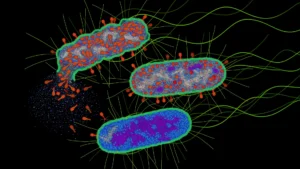
A significant breakthrough in sustainable food science has unveiled a novel method for cultivating Arthrospira platensis, commonly known as Spirulina, to produce biologically active vitamin B12 at concentrations comparable to traditional animal-derived sources. This scientific advancement promises to alleviate one of the most widespread nutritional deficiencies globally, particularly impacting plant-based diets and vulnerable populations, while simultaneously offering a more environmentally benign alternative to conventional animal agriculture. The collaborative research, spearheaded by Dr. Asaf Tzachor of Reichman University’s Aviram Sustainability and Climate Program, alongside a consortium of international scientists from Iceland, Denmark, and Austria, details a pioneering approach utilizing precisely controlled light conditions to fundamentally alter Spirulina’s nutritional output. Their findings, published in the scientific journal Discover Food, mark the first documented instance of Spirulina naturally synthesizing bioavailable vitamin B12.
Vitamin B12, or cobalamin, is an indispensable micronutrient vital for numerous physiological processes within the human body. Its functions range from the synthesis of red blood cells and DNA to the proper functioning and development of brain and nerve cells. A deficiency can lead to severe health consequences, including megaloblastic anemia, fatigue, weakness, nerve damage manifesting as tingling or numbness, memory problems, and even psychiatric disorders. Estimates suggest that over a billion individuals worldwide grapple with insufficient B12 levels. This widespread shortfall disproportionately affects specific demographic groups, notably strict vegetarians and vegans who exclude animal products from their diets, the elderly due to impaired absorption mechanisms, and individuals with gastrointestinal disorders suchating malabsorption syndromes. While fortified foods and supplements currently bridge this gap for many, a sustainable, natural, and integrated dietary source remains a critical global health objective.
Traditionally, the primary dietary sources of vitamin B12 are animal products such as meat, poultry, fish, eggs, and dairy. For many societies, these foods form the cornerstone of B12 intake, with the recommended daily allowance (RDA) typically set around 2.4 micrograms per day for adults. However, the escalating global demand for animal-based protein and micronutrients comes at a substantial environmental cost. Industrial livestock farming is a significant contributor to greenhouse gas emissions, deforestation for pastureland and feed crop cultivation, excessive freshwater consumption, and water pollution through nutrient runoff. The ecological footprint of producing meat and dairy at the scale necessary to nourish an ever-growing global population is increasingly recognized as unsustainable, driving an urgent quest for alternative food systems that are both nutritionally robust and ecologically responsible.
Spirulina, a cyanobacterium often lauded as a "superfood," has long been championed as a potential answer to these challenges. Its rich nutritional profile includes high-quality protein, essential amino acids, various vitamins (like B-complex vitamins, excluding bioavailable B12), minerals (iron, magnesium), and powerful antioxidants. Moreover, its cultivation boasts an impressively small environmental footprint compared to livestock, requiring significantly less land, water, and energy. It can be grown in bioreactors or open ponds, often in saline or brackish water unsuitable for conventional agriculture, making it a highly resource-efficient crop. Despite these compelling advantages, a critical hurdle has consistently undermined Spirulina’s promise as a complete B12 source: the presence of pseudo-vitamin B12. Chemically similar to the active form humans require, pseudo-B12 is biologically inactive in the human body, meaning it cannot be absorbed or utilized effectively, and may even interfere with the absorption of true B12. This fundamental limitation has prevented conventional Spirulina from serving as a reliable and standalone dietary replacement for animal-sourced vitamin B12.
The international research collaboration set out to address this very problem, exploring an innovative biotechnology platform developed by VAXA Technologies in Iceland. The team, comprising experts from Reichman University, the University of Natural Resources and Life Sciences, Vienna, Ruppin Academic Center, the Danish Technological Institute, and MATIS, Iceland, conducted a comprehensive exploratory study. Their investigation focused on the intricate engineering design of the cultivation system, analyzing its inputs, particularly energy, and meticulously evaluating the nutritional composition of the Spirulina biomass it generated. The cornerstone of this groundbreaking technology lies in its sophisticated photonic management system. By precisely manipulating the light conditions – including spectrum, intensity, and duration – within the cultivation environment, researchers were able to steer the metabolic pathways of the Arthrospira platensis to synthesize active vitamin B12. This targeted modification of the light environment essentially reprogrammed the algae to produce the specific form of the vitamin beneficial to human physiology.
The innovative approach to microalgae cultivation leverages the organism’s photosynthetic capabilities not just for growth, but for precise nutritional engineering. Within the controlled environment of VAXA Technologies’ platform, the Spirulina is exposed to specific light wavelengths and intensities that act as triggers, influencing gene expression and enzymatic activity critical for the biosynthesis of true cobalamin. This represents a paradigm shift from simply growing Spirulina to actively guiding its biochemical processes for human benefit. The resulting biomass was not only rich in bioavailable B12 but also maintained its inherent abundance of other valuable bioactive compounds. These include phycocyanins, carotenoids, and other phytonutrients known for their potent antioxidant capabilities, which combat oxidative stress; anti-inflammatory properties, contributing to cellular health; and immune-boosting effects, supporting overall physiological resilience. The cultivation process itself was designed with sustainability at its core, achieving carbon neutrality, further enhancing its appeal as an eco-friendly food source.
The quantitative results of the study were particularly striking. The photosynthetically managed Spirulina biomass contained an impressive 1.64 micrograms of active vitamin B12 per 100 grams. To put this into perspective, conventional beef typically provides between 0.7 and 1.5 micrograms of B12 per 100 grams. This direct comparison underscores the profound success of the photonic cultivation method in making Spirulina a genuinely competitive, and indeed superior, plant-based source of this essential nutrient. Dr. Asaf Tzachor articulated the significance of these findings, stating that "these results unequivocally demonstrate that photosynthetically controlled Spirulina possesses the capability to generate desirable concentrations of active vitamin B12, thereby presenting a viable and sustainable alternative to conventionally sourced animal products." This statement highlights not just a scientific achievement, but a potential pathway toward systemic change in global food production.
Beyond the immediate nutritional breakthrough, the researchers also delved into the ambitious question of scalability. They modeled scenarios for significantly expanding the production system, leveraging Iceland’s unique energy landscape, which is rich in renewable geothermal and hydroelectric power. In one compelling projection, reallocating a portion of the electricity currently consumed by heavy industry in Iceland could support the annual production of approximately 277,950 tonnes of Spirulina biomass. This enormous quantity, according to their calculations, would yield roughly 4,555 grams of active vitamin B12 each year. Such an output could theoretically satisfy the recommended dietary allowance for more than 13.8 million children aged 1 to 3 years. Even more ambitious expansion models suggested the potential to supply the B12 RDA for over 26.5 million children aged 1-3, or more than 50 million infants aged 0-6 months, annually. These figures, while projections rather than current production levels, powerfully illustrate the transformative nutritional potential that the researchers envision for this technology, particularly in addressing childhood malnutrition and developmental delays associated with B12 deficiency.
This pioneering work signifies more than just a new food source; it represents a crucial step towards a paradigm shift in how essential nutrients are produced. By harnessing advanced biotechnology to modify the inherent nutritional properties of microorganisms, scientists are forging new pathways for developing sustainable food systems less reliant on resource-intensive animal agriculture. This approach moves beyond simply cultivating existing food sources to actively bio-engineering them to meet specific human nutritional needs. If successfully scaled and integrated into global food systems, photosynthetically controlled Spirulina could offer a dual solution: mitigating vitamin B12 deficiency across diverse populations while simultaneously reducing the environmental burden associated with meat and dairy production. The implications extend to enhancing food security, fostering more resilient food chains, and promoting a circular economy where resources are utilized more efficiently.
However, the journey from laboratory breakthrough to widespread adoption is multifaceted. Further research will be essential to optimize cultivation parameters, enhance B12 yields, and ensure long-term stability and cost-effectiveness of production at industrial scales. Regulatory approvals will be necessary to integrate this novel Spirulina into various food products and dietary recommendations. Consumer acceptance, influenced by taste, texture, and cultural perceptions, will also play a critical role in its market penetration. Yet, the foundational work has been laid, demonstrating the immense potential of biotechnology to address complex global challenges.
This innovative research is firmly rooted in the broader mission of the Aviram Sustainability and Climate Program at Reichman University. Established in collaboration with the Aviram Foundation, the program is dedicated to fostering interdisciplinary solutions to pressing global issues, including resource scarcity, the impacts of climate change, extreme weather events, and critical food, water, and energy crises. By training a new generation of leaders and supporting cutting-edge research like this Spirulina initiative, the program actively contributes to developing actionable strategies for a more sustainable and equitable future. This scientific endeavor exemplifies how targeted biotechnological interventions can play a pivotal role in shaping a healthier planet and healthier populations.
About the Author