
In an era saturated with complex fitness regimens and specialized equipment, the unassuming act of walking often gets relegated to the background, frequently underestimated for its profound impact on overall health. Yet, this fundamental human movement, accessible to nearly everyone regardless of age or fitness level, represents a cornerstone of physical well-being. Its simplicity belies a sophisticated array of physiological benefits, making it an ideal candidate for straightforward self-assessment tools that offer valuable insights into one’s current health status. One such practical metric gaining attention is the 90-second walking test, a brief yet effective method to gauge an individual’s aerobic capacity and functional fitness through their sustained walking pace.
The pervasive nature of walking in daily life means it seamlessly integrates into routines without demanding dedicated gym time or significant financial investment. Unlike high-intensity interval training or weightlifting, walking imposes minimal stress on joints and muscles, rendering it a sustainable activity for long-term health maintenance. This inherent adaptability is precisely why it serves as an excellent foundation for building and preserving physical conditioning. Its benefits extend far beyond simply expending calories, encompassing a holistic improvement in various bodily systems.
From a cardiovascular perspective, consistent brisk walking is instrumental in strengthening the heart muscle, enhancing blood circulation, and contributing to the regulation of blood pressure. Regular engagement in moderate-intensity walking has been scientifically linked to a reduced risk of developing chronic conditions such as coronary artery disease, stroke, and type 2 diabetes. It aids in improving lipid profiles by increasing high-density lipoprotein (HDL) cholesterol levels, often referred to as "good" cholesterol, while simultaneously lowering harmful low-density lipoprotein (LDL) cholesterol. This cumulative effect fortifies the circulatory system, promoting arterial health and reducing systemic inflammation.
Beyond its cardioprotective qualities, walking plays a critical role in weight management. While the caloric expenditure per session might be lower than more vigorous activities, its consistency and ease of integration into daily life make it a powerful tool for maintaining a healthy body mass index. Regular walks stimulate metabolism, contributing to a more efficient energy balance over time. Furthermore, it supports musculoskeletal integrity; as a weight-bearing exercise, walking helps to maintain bone density, thereby reducing the risk of osteoporosis and fractures, particularly important for aging populations. It also lubricates joints, enhancing flexibility and range of motion, and strengthens the muscles of the legs, core, and glutes, which are crucial for stability and balance.
The advantages of walking also permeate mental and cognitive well-being. Engaging in regular physical activity, including walking, is a known stress reducer, helping to alleviate symptoms of anxiety and depression. It can foster improved mood through the release of endorphins, natural mood elevators. Studies have also indicated a correlation between regular walking and enhanced cognitive functions, including improved memory, focus, and problem-solving abilities, potentially delaying age-related cognitive decline. Moreover, the simple act of stepping outdoors for a walk can offer a valuable opportunity for mindfulness, connecting with nature, and a temporary escape from daily pressures.
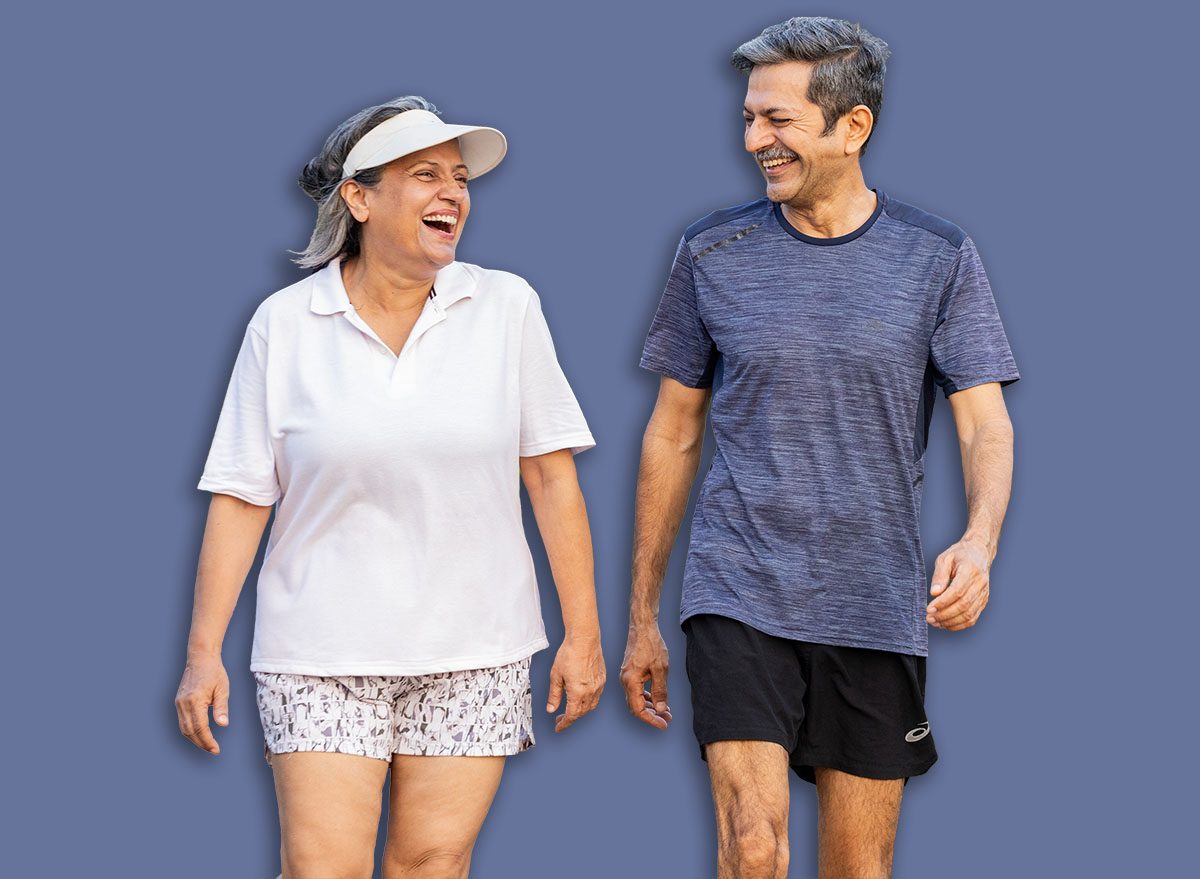
Recent research consistently reinforces the notion that higher daily step counts are associated with superior health outcomes, notably a decreased risk of all-cause mortality and cardiovascular disease. Crucially, these substantial benefits begin to accrue at step counts well below the frequently cited 10,000-step target, demonstrating that even modest increases in daily activity can yield significant health dividends. This evidence underscores the importance of any movement, making simple assessments like the 90-second walking test particularly relevant.
The 90-second walking test provides a rapid, practical snapshot of an individual’s current walking pace and, by extension, their functional fitness level. It’s not designed to measure maximal exertion or speed, but rather to assess the sustained effort and efficiency of a brisk, purposeful walk. The objective is to maintain a controlled, rhythmic stride, rather than breaking into a jog or an all-out sprint. This intentional movement reflects both cardiovascular stamina and muscular endurance—the body’s ability to maintain a steady, elevated effort over a short period. The simplicity of this self-assessment tool makes it an excellent indicator for tracking progress and motivating consistent activity.
To perform this straightforward evaluation, careful adherence to a few guidelines will ensure accurate and repeatable results. Begin by selecting a safe, flat, and unobstructed environment where you can walk continuously without needing to navigate around obstacles or make sharp turns. Suitable locations include a clear hallway, a sidewalk stretch, an outdoor track, or even a spacious, quiet parking lot. A treadmill set to a consistent pace can also be used, though it’s important to note that treadmill walking can feel different from over-ground walking.
Executing the 90-Second Walking Test:
- Preparation: Wear comfortable athletic footwear and clothing that allows for unrestricted movement. Consider a brief warm-up, such as a few minutes of light stretching or slow walking, to prepare your muscles.
- Setup: Have a stopwatch or a timer ready, preferably one that can be easily started and stopped, or a dedicated timer application on your smartphone.
- Initiation: Stand tall with good posture, looking straight ahead. When you are ready, simultaneously start your timer and begin walking at a brisk, purposeful pace.
- Counting: Count every single step you take. Each time one of your feet makes contact with the ground, that counts as one step. Focus on maintaining an accurate tally.
- Movement Standard: The core principle is to sustain a brisk walk, not to run or jog. Your movements should remain controlled and consistent throughout the entire 90 seconds. Avoid excessive arm swinging or an uncontrolled scramble. The pace should feel challenging but sustainable, allowing you to breathe somewhat heavily but still carry on a conversation in short bursts.
- Completion: Once the 90 seconds elapse, immediately stop walking and record your total step count.
For consistency and accurate comparison over time, it is vital to use the same testing environment and conditions each time you perform the test. Factors like surface type (e.g., concrete vs. grass), inclines, or the need to turn frequently can influence your score. A smooth, uninterrupted test provides the most reliable data.
Interpreting Your Step Count:

The number of steps accumulated in 90 seconds offers valuable insight into your current fitness level, particularly your walking efficiency and cardiovascular endurance. The benchmark for an excellent performance in this test is achieving 170 steps or more in 90 seconds.
- Below 130 Steps (Developing Fitness): A score in this range suggests that your current walking pace might be slower than average. This indicates a foundational level of fitness with ample room for improvement in both speed and endurance. Focusing on consistency and gradually increasing your daily activity will be highly beneficial.
- 130-149 Steps (Good Foundation): This range signifies a good starting point. You demonstrate the ability to maintain a steady walking rhythm, supporting regular daily activities. This level provides a solid base upon which to build greater fitness.
- 150-169 Steps (Strong Performance): Achieving this score indicates a strong walking pace, demonstrating good coordination and sustained cardiovascular capacity. Your body effectively maintains rhythm and pace, reflecting a robust level of functional fitness.
- 170 Steps or More (Superior Fitness): Reaching or exceeding 170 steps in 90 seconds places you in a category of superior fitness. This achievement reflects an excellent walking pace, consistent stride, and impressive cardiovascular endurance. Individuals at this level typically exhibit a strong daily movement base and are well-equipped for more extended walks and active lifestyles, often correlated with lower health risks.
Strategies for Enhancing Your 90-Second Step Count:
Improving your score on the 90-second walking test doesn’t necessitate grueling, high-intensity workouts every day. Sustainable progress is primarily achieved through a combination of increased walking frequency, strategic integration of faster intervals, and targeted strength training to support a more powerful and efficient stride. The overarching goal is to transform brisk walking into a comfortable and natural aspect of your routine, allowing your step count to rise organically as your fitness improves.
- Prioritize Consistency: The most fundamental step is to establish a consistent walking habit. Aim for regular walks, even if they are shorter in duration initially. Daily engagement, rather than sporadic intense sessions, builds a solid aerobic base.
- Implement Gradual Progression: Avoid the temptation to do too much too soon. Incrementally increase the duration, frequency, or intensity of your walks. For example, add an extra 5-10 minutes to your daily walk each week, or introduce an additional walking session a few times per week.
- Incorporate Interval Walking: This technique involves alternating between periods of brisk walking and more moderate recovery paces. For instance, after a warm-up, walk as fast as you can for 30-60 seconds, then return to a comfortable pace for 1-2 minutes. Repeat this cycle several times during your walk. Interval training significantly boosts cardiovascular fitness and can dramatically improve your speed and endurance over time.
- Strengthen Your Legs and Core: A stronger lower body and stable core directly translate to a more efficient and powerful walking stride. Incorporate simple bodyweight exercises like squats, lunges, calf raises, and glute bridges into your routine 2-3 times per week. These exercises enhance muscular endurance and power, reducing fatigue during walking.
- Refine Your Walking Form: Pay attention to your posture. Keep your head up, shoulders relaxed and back, and engage your core. Allow your arms to swing naturally at your sides, bent at a comfortable angle. An efficient gait conserves energy and allows for a faster, more sustained pace.
- Monitor and Re-test: Regularly performing the 90-second walking test (e.g., once every 2-4 weeks) allows you to track your progress, identify areas of improvement, and maintain motivation. Seeing your step count increase can be a powerful incentive to continue your fitness journey.
- Listen to Your Body: While pushing yourself is important for progress, equally vital is recognizing the need for rest and recovery. Avoid overtraining, which can lead to injury or burnout. Ensure adequate hydration and a balanced diet to fuel your activity and recovery.
Ultimately, the 90-second walking test is more than just a number; it’s a window into your current state of cardiovascular health, muscular endurance, and coordination. Achieving a score of 170 steps or more within this brief timeframe is a clear indicator of robust functional fitness and a strong foundation for an active, healthy life. By embracing the simplicity of walking and applying consistent, strategic effort, anyone can improve their pace, enhance their well-being, and unlock a healthier future.
About the Author