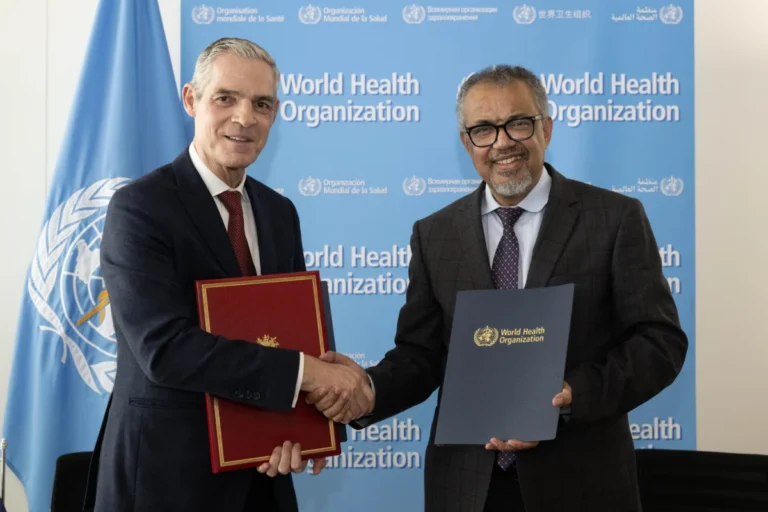
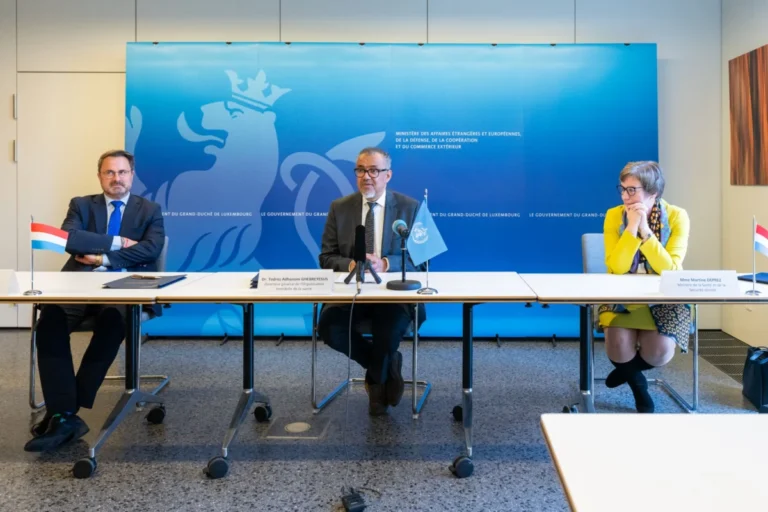
A significant reaffirmation of international cooperation has seen the Kingdom of the Netherlands recommit to its vital collaboration with the World Health Organization (WHO), channeling crucial resources towards mitigating the escalating public health threats posed by a changing global climate. This renewed strategic alliance underscores a shared understanding of the urgent need to fortify healthcare systems worldwide against environmental disruptions, ensuring global health security for vulnerable populations.
For the calendar year 2024, the Dutch government has pledged a fresh financial contribution totaling €500,000. This substantial allocation is earmarked to bolster WHO’s extensive initiatives aimed at fostering climate resilience and advancing the development of sustainable healthcare infrastructure across the globe. Specifically, these funds are designed to reinforce the operational capacity of the Alliance for Transformative Action on Climate and Health (ATACH) Secretariat and to propel various climate change and health programs forward on an international scale. The ATACH, a WHO-led initiative, serves as a crucial platform for countries and organizations committed to building climate-resilient and low-carbon health systems, providing a framework for collaboration, knowledge sharing, and collective action.
This latest tranche of funding represents a continuation and expansion of a foundational partnership forged in 2023 between the Netherlands and the WHO, demonstrating an escalating commitment to addressing this complex nexus. Over the past year, this collaborative endeavor has yielded tangible progress, particularly in supporting nations across Africa, Asia, and the Eastern Mediterranean regions. These efforts have concentrated on enhancing national capacities to respond to climate-induced health challenges. Key achievements include advancing the implementation of integrated climate and health surveillance systems, which enable countries to monitor environmental changes and their health impacts in real-time. Furthermore, the partnership has been instrumental in developing and harmonizing early warning systems for health-related climate risks, such as heatwaves, floods, and vector-borne disease outbreaks, allowing for timely public health interventions.
Beyond data and early detection, a core focus has been on empowering these nations to translate global commitments into local action. This includes strengthening their ability to deliver on health-related pledges made at international forums, notably the COP26 climate summit. Moreover, the initiative has significantly contributed to preparing national health systems for greater climate resilience, equipping them to withstand, adapt to, and recover from climate shocks and stressors. This encompasses a broad spectrum of interventions, from infrastructure improvements and medical supply chain resilience to training health professionals in climate-sensitive healthcare practices and developing adaptive public health policies.
The profound impacts of climate change on human health are multifaceted and intensifying. Rising global temperatures contribute to heat-related illnesses and fatalities, while altered rainfall patterns lead to both droughts and extreme flooding, affecting food security, water quality, and increasing the spread of water-borne and vector-borne diseases like malaria and dengue. Air pollution, exacerbated by fossil fuel combustion and climate-induced wildfires, fuels respiratory and cardiovascular diseases. Furthermore, climate change acts as a threat multiplier, displacing communities, straining health services, and imposing significant mental health burdens. Against this backdrop, the partnership between the Netherlands and the WHO assumes critical importance, serving as a beacon for how international cooperation can translate scientific understanding into life-saving action.

This bilateral engagement is part of a broader, concerted effort involving a diverse array of stakeholders. The establishment and maintenance of climate-resilient and low-carbon health systems necessitate collaborative action extending beyond national governments and intergovernmental organizations. Essential partners include civil society organizations, which often serve as frontline responders and advocates; Multilateral Development Banks (MDBs), crucial for financing large-scale infrastructure and adaptation projects; other United Nations agencies, bringing specialized expertise; and a wide spectrum of health professionals, whose daily work forms the backbone of responsive health systems. Engaging with these diverse entities is not merely supplementary but constitutes a core activity, ensuring a holistic and effective approach to a challenge that permeates every sector of society.
The Netherlands has long distinguished itself as a vocal proponent of integrating climate action within global health frameworks. This advocacy is intrinsically linked to the nation’s comprehensive Dutch Global Health Strategy 2023-2030, which explicitly highlights the critical intersection of climate change and health as a strategic priority. The strategy recognizes that addressing global health inequities and safeguarding public well-being cannot be achieved without confronting the environmental determinants of health. A testament to this leadership was the pivotal role played by the Netherlands, alongside Peru, in spearheading the adoption of the World Health Assembly’s 77th Resolution on Climate Change and Health in 2024. This resolution marked a significant update to a previous, less comprehensive resolution from 2008, reflecting the heightened urgency and deeper understanding of the crisis. The 2024 resolution is a robust call to action, urging the WHO to develop a comprehensive global action plan, advocating for increased national efforts from Member States, and mandating the mainstreaming of climate change and health considerations across all facets of WHO’s new Fourteenth General Programme of Work (GPW).
The renewal of this partnership, elevating the Netherlands’ total financial commitment to WHO activities focused on climate change and health to over €1.1 million since 2023, arrives at an exceptionally critical juncture. Countries globally are grappling with an accelerating frequency and severity of health challenges directly attributable to climate change. Simultaneously, the international health community is intensifying its preparations for pivotal discussions on climate change and health scheduled for COP29, the 29th Conference of the Parties to the UNFCCC, set to convene in Azerbaijan later in 2024. These upcoming global dialogues will further shape the international response landscape, making preparatory investments like the Netherlands’ contribution all the more crucial.
Under the forthcoming Fourteenth General Programme of Work, climate change is poised to remain a foundational priority area for the WHO. This programmatic framework outlines the organization’s strategic direction and priorities for the coming years. Within this ambitious blueprint, the WHO, in close collaboration with its Member States and a network of partners, projects an extraordinary impact: an estimated 7.5 million lives saved over the next four years. This ambitious projection, detailed in the WHO’s latest Investment Case, underscores the profound potential of targeted interventions in public health and climate adaptation. The partnership with the Netherlands is an integral component of this broader vision, contributing directly to the capacity building and systemic changes necessary to achieve such life-saving outcomes.
Looking ahead, the collaboration between the Netherlands and the WHO is committed to leveraging its collective influence to ensure that health considerations remain at the forefront of global climate negotiations and subsequent actions. A core tenet of their ongoing strategy is to intensify focus on building resilience within the most vulnerable regions, which disproportionately bear the brunt of climate change impacts despite contributing least to its causes. Furthermore, empowering countries to actively implement sustainable, low-carbon healthcare solutions remains a central objective. This involves promoting energy efficiency in healthcare facilities, encouraging the use of renewable energy sources, advocating for sustainable procurement practices for medical supplies, and fostering environmentally responsible waste management within the health sector. By championing these transformative changes, the partnership aims not only to mitigate the health consequences of climate change but also to ensure that healthcare systems themselves contribute positively to environmental sustainability, thereby securing a healthier future for all.
About the Author