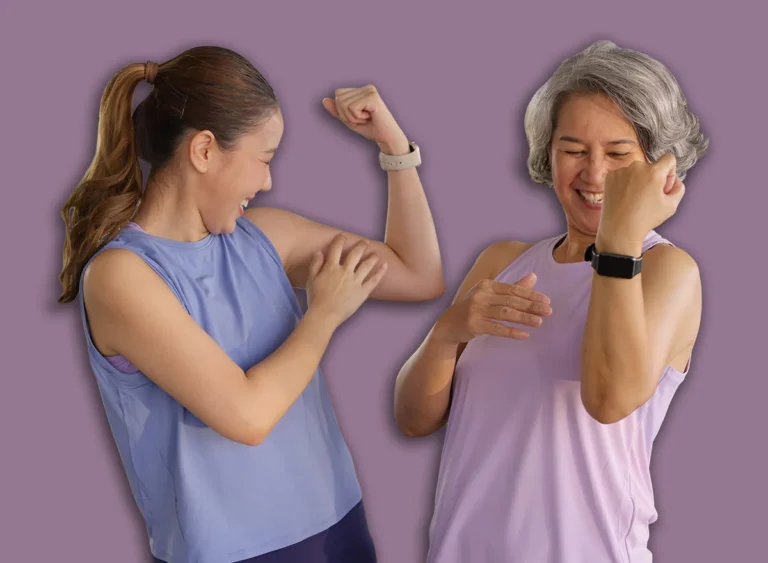
As individuals navigate the later stages of life, typically beyond the age of 65, the preservation of physical strength transcends mere fitness goals to become a fundamental pillar of independent living and overall well-being. The natural physiological changes associated with aging often lead to a gradual decline in muscle mass and strength, a condition scientifically termed sarcopenia. This age-related muscle loss can profoundly impact daily activities, transforming seemingly simple tasks—like rising from a seated position, carrying groceries, or walking extended distances—into challenging endeavors. While many assume that significant strength improvements necessitate intensive gym routines or specialized equipment, an expert-designed, time-efficient chair-based exercise program offers a highly effective and accessible alternative for older adults aiming to regain and maintain their full-body strength.
The implications of diminished strength in later years extend far beyond inconvenience. Reduced muscle power is a primary contributor to decreased mobility, an elevated risk of falls, and a general reduction in functional independence. Falls, in particular, represent a significant health concern for seniors, often leading to serious injuries, hospitalizations, and a subsequent fear of movement that further exacerbates physical decline. Moreover, maintaining adequate strength is crucial for bone density, metabolic health, and even cognitive function, underscoring its holistic importance. The encouraging news, however, is that muscle tissue remains remarkably adaptable, capable of responding to resistance training even in advanced age. This adaptability means that consistent, targeted exercise can effectively mitigate the effects of sarcopenia and enhance quality of life.
One of the most significant barriers to regular physical activity for older adults can be the perception that exercise must be strenuous, time-consuming, or performed in a gym setting. Concerns about balance, joint pain, the risk of injury, or simply a lack of motivation often deter individuals from initiating or continuing an exercise regimen. This is precisely where chair-based exercises emerge as an invaluable solution. By utilizing a sturdy chair or bench, participants gain essential support and stability, which helps to alleviate balance concerns and reduce the perceived risk of falling during movements. This inherent support mechanism allows individuals to concentrate on activating and strengthening their muscles with proper form, rather than expending energy on maintaining equilibrium. Furthermore, the convenience of performing these exercises within the comfort and privacy of one’s home removes logistical hurdles, making regular engagement more feasible.
A particularly effective framework for rebuilding comprehensive physical strength involves a concise eight-minute routine, meticulously structured to target major muscle groups across the entire body. This program deviates from the traditional gym model, focusing instead on sustained effort within short, manageable intervals. The methodology prescribes four distinct movements, each performed for two minutes. The emphasis during each two-minute segment is on completing as many repetitions as possible while strictly adhering to proper form and maintaining a controlled, steady pace. Breathing consistently throughout the exercises is also crucial for optimizing performance and recovery. The beauty of this approach lies in its efficiency: by keeping the muscles under tension for the entire duration of each two-minute interval, significant strength gains can be achieved without the need for prolonged sessions. This strategy fosters adherence, as the short duration makes the routine less daunting and easier to integrate into a daily schedule.
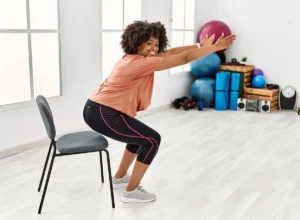
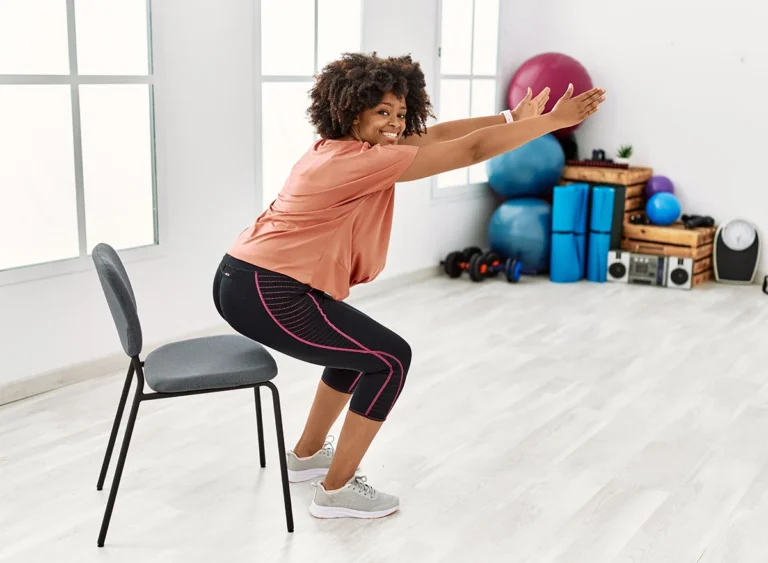
The first two minutes of this regimen are dedicated to the Chair Sit-to-Stand, a foundational exercise that profoundly impacts lower body strength and functional independence. This movement is a direct mimicry of the everyday act of rising from a chair, making it exceptionally relevant for enhancing practical mobility. It primarily engages the quadriceps, glutes, and hamstrings, while also activating core stabilizers. The chair provides crucial assistance, allowing individuals to focus intently on the concentric (standing up) and eccentric (sitting down slowly) phases of the movement without concern for balance. To perform, position yourself with your feet hip-width apart, chest upright, and push through your heels to stand completely. Control your descent slowly back to the chair, ensuring your core remains engaged to prevent excessive forward leaning. For progression, individuals can gradually reduce reliance on armrests, slow down the descent phase, or even hold a light weight to their chest. Conversely, if the movement proves too challenging, a slightly higher chair or stool can provide an easier starting point, or the use of hands for greater support. Resting should only occur if maintaining proper form becomes impossible due to fatigue, as continuous muscle engagement is key to the exercise’s efficacy.
The subsequent two minutes (minutes 2-4) focus on upper body development through the Chair Push-Up. This modification of the traditional push-up offers a safer and more accessible way to strengthen the chest, shoulders, and triceps, muscle groups vital for pushing actions like opening doors or repositioning objects. To execute, position a sturdy chair against a wall to prevent it from sliding. Place your hands on the seat or backrest, slightly wider than shoulder-width apart, and step your feet back until your body forms a straight line from head to heels. Keeping your core tight and body rigid, lower your chest towards the chair, then push back up to the starting position. The difficulty can be adjusted by altering your foot placement: moving your feet further back increases the challenge, while stepping them closer to the chair makes the exercise easier. Maintaining a neutral spine and bracing the lower abdominal muscles is crucial to prevent the lower back from arching. For those finding this movement too demanding, beginning with a static plank position, holding with hands or elbows on the chair, can be an excellent way to build foundational core and upper body stability before progressing to full push-ups.
Minutes 4-6 introduce the Seated Dumbbell Reverse Fly, targeting often-neglected muscles of the upper back and posterior shoulders. These muscles are critical for improving posture, counteracting the common tendency to hunch forward, and supporting overhead reaching. For this exercise, sit upright on the edge of your chair, holding a light dumbbell (even just one or two pounds) in each hand. Lean slightly forward from your hips, maintaining a straight back. With a slight bend in your elbows, raise the dumbbells out to the sides, squeezing your shoulder blades together at the top of the movement. Control the descent back to the starting position. It is paramount to avoid using momentum or swinging the weights, as this diminishes the tension on the target muscles. The focus should be on a deliberate, controlled contraction and release, ensuring the muscles perform the work rather than external forces. This exercise plays a significant role in promoting a more upright posture, which can alleviate neck and shoulder discomfort and contribute to a more confident physical presence.
The final two minutes (minutes 6-8) are dedicated to the Seated March with Pause, a movement designed to strengthen the hip flexors, deep core muscles, and improve hip stability. These elements are fundamental for gait, balance, and preventing falls. Seated upright in your chair, slowly lift one knee towards your chest, pausing briefly at the peak of the movement before slowly lowering it back down. Alternate legs, maintaining control throughout the entire range of motion. A key aspect of this exercise is to keep your hips level, actively resisting any tendency for them to rock side-to-side as you lift each leg. If you notice a loss of control, consciously slow down the movement and accentuate the pause at the top of each repetition. This controlled marching motion not only builds strength in the core and hips but also enhances neuromuscular control, which is essential for dynamic balance and confident walking.
Beyond the specific exercises, several general principles are vital for older adults embarking on any new fitness journey. Consistency is paramount; short, regular sessions are often more effective than infrequent, intense workouts. Gradual progression, whether by increasing repetitions, extending the duration of the pause, or incrementally adding resistance with light weights, ensures continuous adaptation and improvement. Listening to one’s body is crucial, differentiating between beneficial muscle fatigue and pain, which signals a need to modify or cease an activity. Proper hydration and a nutrient-rich diet also play supportive roles in muscle repair and overall energy levels. Most importantly, before initiating any new exercise program, particularly for individuals with pre-existing health conditions, consulting with a healthcare professional is strongly recommended to ensure the routine is safe and appropriate.
In conclusion, the notion that significant strength training is beyond reach for individuals over 65 is a misconception that needs to be challenged. This accessible, chair-based regimen demonstrates that with just eight minutes of focused effort, older adults can effectively rebuild full-body strength, enhance functional mobility, and significantly improve their quality of life. By addressing common barriers to exercise and offering a safe, convenient, and highly effective program, it empowers seniors to cultivate greater independence, reduce the risk of falls, and embrace a more active and vibrant lifestyle, proving that age is merely a number when it comes to pursuing physical vitality.
About the Author