A groundbreaking scientific investigation has illuminated a peculiar susceptibility to cancer within a specific lineage of leopard geckos, identifying this unique animal as a potentially invaluable new model for understanding the complex mechanisms of tumor formation and metastasis. Researchers contend that the naturally occurring malignancies observed in this particular reptile morph could furnish critical insights into why certain species exhibit profound vulnerability to oncological diseases, while others demonstrate remarkable resistance. This comparative approach promises to broaden the horizons of cancer research, moving beyond traditional laboratory models to explore the diverse evolutionary strategies against cellular proliferation.
The collaborative research, spearheaded by the University of Nottingham and detailed in the peer-reviewed journal BMC Biology, meticulously identified a consistent set of genetic alterations intimately associated with tumor development in a distinct variety of leopard gecko. A significant proportion of these genetic modifications and the biological pathways they influence are analogous to those implicated in human cancers, thus raising the compelling prospect that this reptilian species could substantially accelerate advancements in the global fight against the disease. The findings underscore the often-overlooked potential of biodiversity in unraveling fundamental biological mysteries.
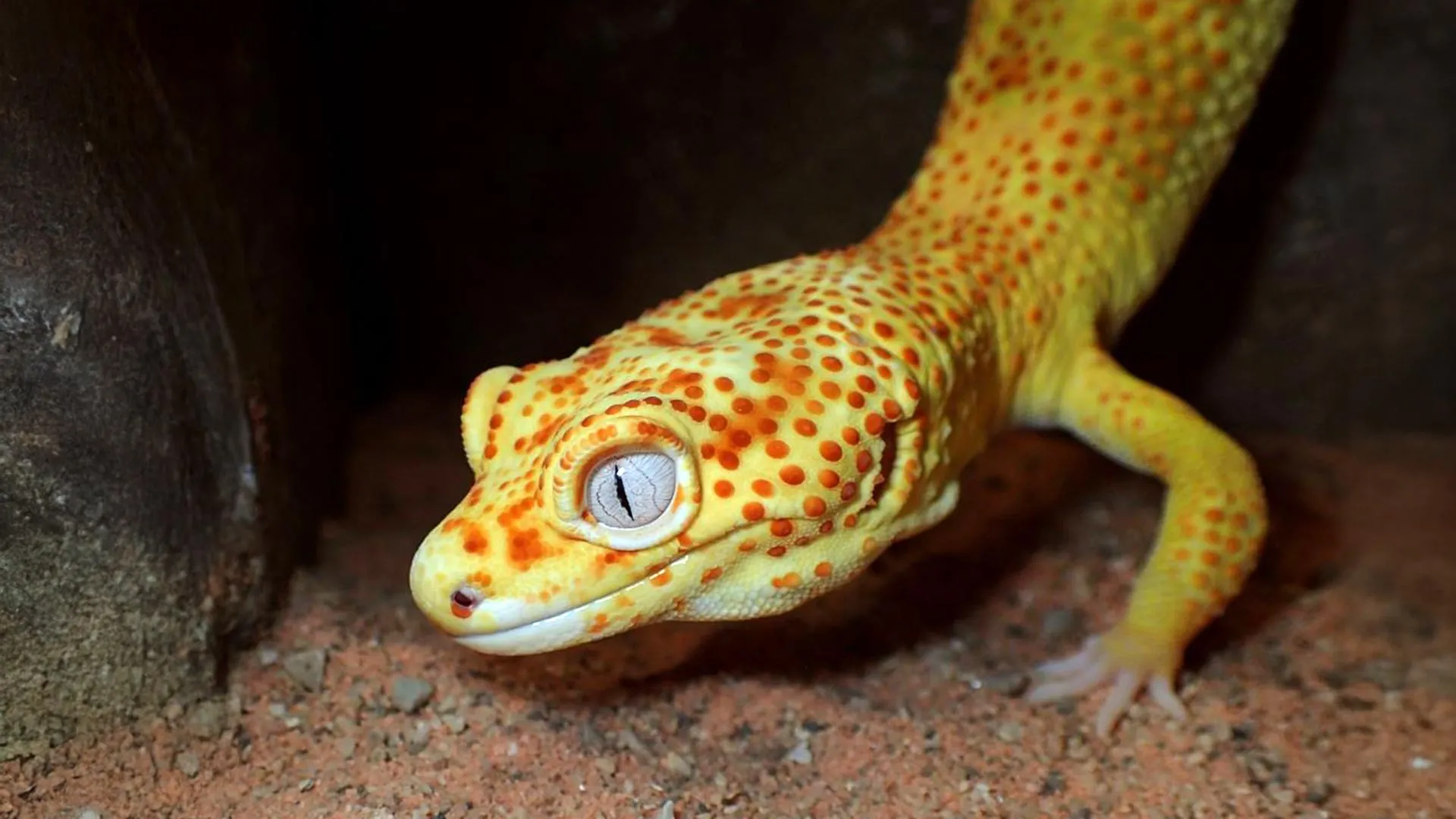
Cancer, fundamentally an uncontrolled division and spread of abnormal cells, poses a universal biological challenge, yet its prevalence and manifestations vary dramatically across the tree of life. Within the diverse class of reptiles, this variability is particularly striking. For instance, chelonians, such as turtles and tortoises, are renowned for their surprisingly low incidence of cancer, a phenomenon that has long intrigued scientists studying longevity and disease resistance. In stark contrast, a specific morph of the leopard gecko (Eublepharis macularius), commercially known as the "lemon frost" morph due to its distinctive white and yellow pigmentation, tragically develops aggressive tumors in approximately 80% of individuals, often at a relatively young age. This stark disparity presents an unparalleled opportunity for comparative oncology.
The study’s leadership was provided by Dr. Ylenia Chiari, an esteemed researcher from the School of Life Sciences at the University of Nottingham. Her vision for the project was to leverage naturally occurring disease models to gain insights into evolutionary cancer defenses. The expansive international research consortium also included vital contributions from PhD researcher Brandon Hastings, also affiliated with the University of Nottingham, alongside Dr. Scott Glaberman from the University of Birmingham, Dr. Tony Gamble from Marquette University, Dr. Robert Ossiboff from the University of Florida, and Virginia Gazziero and Dr. Giulio Caravagna from the University of Trieste. This multidisciplinary collaboration, spanning expertise from genetics to veterinary pathology, was crucial for the comprehensive scope of the investigation.
The origin story of the lemon frost gecko’s peculiar vulnerability is rooted in selective breeding practices within the pet trade. This striking morph emerged from a spontaneous genetic mutation during the deliberate breeding efforts within a large colony of leopard geckos. Its eye-catching white and yellow hue quickly garnered immense popularity among reptile enthusiasts and breeders. However, this aesthetic appeal soon gave way to a concerning pattern: a high percentage of these geckos began to develop aggressive neoplastic growths, which frequently exhibited metastatic properties, spreading rapidly to other parts of the body. This tragic consequence of selective breeding for desirable traits inadvertently created a living laboratory for cancer research.
A key advantage of the lemon frost gecko as a research model lies in the spontaneous nature of its tumor development. Unlike many conventional laboratory animals, such as certain strains of mice, which often require researchers to artificially induce tumor growth through chemical carcinogens or genetic engineering, lemon frost geckos develop cancer naturally and at a comparatively early stage in their lifespan. Furthermore, the aggressive and often metastatic nature of these tumors offers scientists a rare and invaluable opportunity to observe the entire trajectory of cancer progression—from its initial cellular aberrations to its evolution and eventual systemic dissemination—under entirely natural physiological conditions. This closely mimics the complex, uncontrolled progression seen in human patients, providing a more ecologically valid model than many induced systems.
To systematically unravel the biological underpinnings of this heightened cancer risk, the research team employed sophisticated whole-genome sequencing techniques. This cutting-edge method allowed them to perform a detailed comparative analysis between tumor tissue samples and healthy tissue obtained from the same individual geckos. By scrutinizing the entire genetic blueprint of both healthy and diseased cells, they were able to pinpoint a recurring repertoire of genetic changes consistently present across the various tumors. This systematic identification of common genetic signatures is a cornerstone of modern cancer research, providing targets for diagnostics and therapeutics.
The profound significance of these findings lies in the extensive overlap between the identified genetic alterations in geckos and known oncogenic pathways in humans. Many of the genes found to be perturbed and the biological processes they regulate have long been established as central players in the development and progression of cancer in humans and other mammalian species. According to the researchers, these striking genetic and pathway similarities strongly suggest that insights garnered from studying the lemon frost gecko could transcend the specific biology of reptiles, offering universal principles applicable to a broader understanding of cancer across vertebrates. This reinforces the principle of evolutionary conservation in fundamental biological processes.
This investigation also powerfully reiterates the immense value of diversifying the array of animal models utilized in biomedical research. While traditional models like laboratory mice and rats have undeniably contributed immensely to medical breakthroughs, species that naturally develop cancer at exceptionally high rates, such as the lemon frost gecko, present a complementary and often more relevant platform for studying the disease. Such natural models can shed light on aspects of tumor initiation, immune evasion, and metastasis that might be obscured or simply not present in artificially induced systems. They offer a window into the "real-world" dynamics of cancer.
Brandon Hastings, a pivotal author of the study, emphasized the broader philosophical implications of their work. He articulated that their paper compellingly demonstrates the imperative of exploring the vast diversity of life on Earth in the quest for answers to some of humanity’s most pressing health challenges, including cancer. Methodologically, he also highlighted the adaptability of sophisticated genomic software programs, originally developed and optimized for the analysis of human cancers, to provide profoundly meaningful insights when applied to the genomes of diverse organisms. This transferability of tools and techniques across species is a testament to the unifying principles of molecular biology.
The insights gleaned from this gecko study extend beyond the immediate scope of cancer research, serving as a powerful testament to the intrinsic value of biodiversity itself. Dr. Scott Glaberman from the University of Birmingham underscored this point, stressing that while humanity often tends to focus internally when seeking solutions to its problems, every single species on the planet possesses unique lessons to impart. He elaborated that by systematically studying both animals that exhibit a high vulnerability to cancer and those that demonstrate remarkable resistance, scientists can dramatically enhance their capacity to comprehend the fundamental nature of the disease itself. This holistic approach, integrating evolutionary biology with medical science, holds immense promise. Protecting and preserving the planet’s rich biodiversity is, therefore, not merely an environmental imperative but a crucial investment in future medical knowledge and human well-being, as the natural world may harbor countless undiscovered keys to disease prevention and cure. The lemon frost gecko, an unwitting participant in this scientific endeavor, stands as a vivid emblem of this profound truth.
About the Author