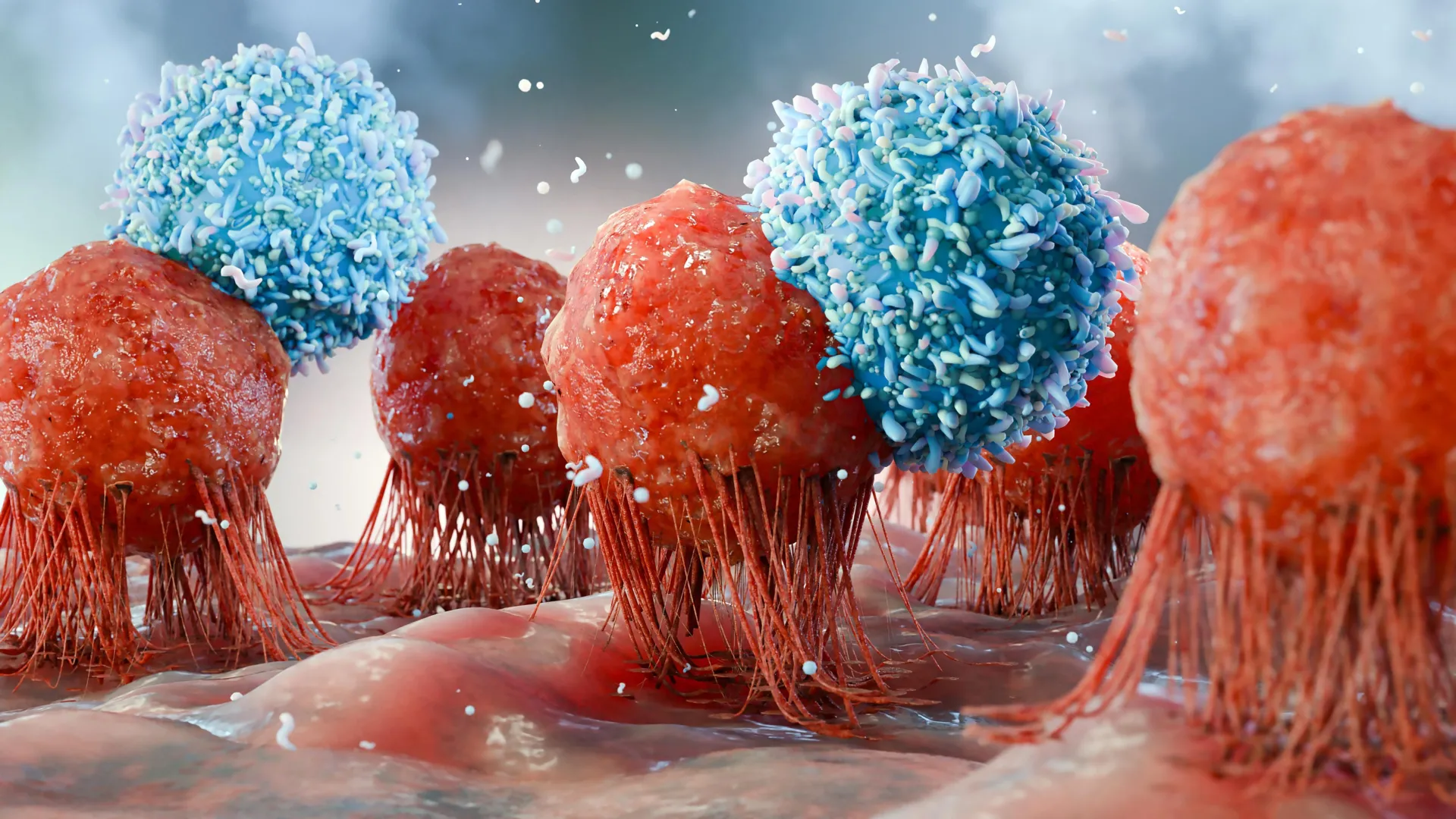
A groundbreaking investigation spearheaded by researchers from Trinity College Dublin and University College Dublin (UCD) has illuminated the potential of a specific yeast-derived dietary supplement to significantly bolster the immune system’s capacity to combat cancerous cells, as demonstrated in preclinical models. The findings, detailed in the esteemed scientific journal Cell Reports, suggest a novel dietary avenue for fortifying the body’s natural defenses against malignancy. This research was co-led by Professor Frederick Sheedy, an Associate Professor of Immunology within Trinity’s School of Biochemistry and Immunology, and Professor Helen Roche, a Professor of Nutrigenomics at UCD’s School of Public Health, Physiotherapy and Sports Science, who also holds the directorship of the UCD Conway Institute.
At the heart of this scientific endeavor lies yeast beta-glucan, a compound derived from yeast that researchers hypothesized could act as a powerful modulator of immune responses. The study’s first author, Dr. Anna Ledwith, a postdoctoral researcher in Professor Roche’s laboratory, articulated the team’s primary objective: to ascertain whether oral administration of yeast beta-glucan could effectively "reprogram" nascent immune cells residing within the bone marrow. The ultimate aim was to cultivate a sustained and amplified anti-tumor immune repertoire. To test this hypothesis, laboratory mice, specifically those exhibiting characteristics of obesity, were subjected to a regimen involving a standard or high-fat diet, each supplemented with yeast beta-glucan over periods ranging from four to twelve weeks. Following this dietary intervention, the immune systems of these animals were subsequently challenged with various types of cancer cells, including those associated with colorectal, skin, and breast cancers. A critical secondary focus of the study was to evaluate the supplement’s efficacy in mitigating immune dysfunction induced by obesity, and importantly, to determine if any protective effects conferred by the supplement would persist even after the subjects experienced weight loss.
The experimental design sought to determine if dietary intake of yeast beta-glucan could induce a form of immunological "training," leading to long-lasting enhancements in immune cell function by influencing the development of primitive immune cells within the bone marrow. Furthermore, the researchers were keen to understand if this dietary intervention could effectively counteract the detrimental effects of obesity on immune system functionality. Obesity is a pervasive global health concern, impacting millions and frequently leading to a compromised immune system, thereby increasing vulnerability to infections and the development of cancer. A particularly concerning aspect of obesity-related immune dysfunction is its potential to leave a lasting imprint, with certain detrimental immune changes persisting even after individuals achieve significant weight loss. This persistence poses a substantial clinical challenge, as weight reduction does not always fully reverse all the long-term immunological consequences of excess body weight.
Professor Roche highlighted the seminal nature of these findings, emphasizing that this research provides the first concrete evidence that simply consuming yeast beta-glucan through the diet is sufficient to initiate "trained immunity" by fundamentally altering the behavior of bone marrow stem cells. This dietary approach represents a significant advancement, as prior investigations aimed at inducing similar immunological benefits typically required more invasive methods, such as direct injections. The implications of this dietary delivery mechanism are profound. Professor Roche elaborated on the significance, stating, "This is the first demonstration that dietary delivery of yeast beta-glucan is sufficient to induce trained immunity through reprogramming of bone marrow stem cells. Previous research required injections." She further underscored the critical importance of the dietary intervention’s ability to not only restore innate anti-tumor immunity in obese mice but also to reverse long-term immune memory deficits that lingered even after weight loss, a challenge that remains largely unmet in current clinical practice.
The experimental results in the obese mouse models demonstrated that yeast beta-glucan intervention effectively reversed immune memory impairments that persisted despite weight reduction, offering a glimmer of hope for addressing a persistent clinical hurdle. Cancer continues to rank among the primary causes of mortality worldwide, spurring a continuous search for safe, accessible, and effective strategies to bolster immune responses and potentially augment existing cancer therapies. The fact that yeast beta-glucan is already widely available as a dietary supplement with a well-established safety profile positions it as a highly promising candidate for future human clinical trials.
Looking ahead, Professor Sheedy expressed optimism regarding the translational potential of this research. He stated, "This research paves the way for dietary intervention studies in people living with obesity, chronic infections and other immunocompromised populations." He further noted that the specific yeast beta-glucan utilized in the study, known commercially as WellmuneTM and produced by Kerry Group, is already classified as food-grade and readily available, which significantly facilitates the rapid initiation of clinical trials. The ultimate vision, according to Professor Sheedy, is that a simple dietary supplement could serve to enhance the immune system’s inherent capacity to fight cancer, acting as a complementary strategy alongside established treatments such as chemotherapy and immunotherapy. Beyond its anti-cancer potential, the supplement might also contribute to improved vaccine efficacy and a strengthened defense against infections. Consequently, the researchers believe these findings provide a robust foundation for launching dietary intervention studies involving human populations afflicted by obesity, chronic infections, and other conditions characterized by a weakened immune system. The commercial availability of the specific yeast beta-glucan ingredient is expected to accelerate the transition from preclinical research to human testing, with future investigations focused on validating whether the immune benefits observed in mice can be replicated in human subjects.
About the Author