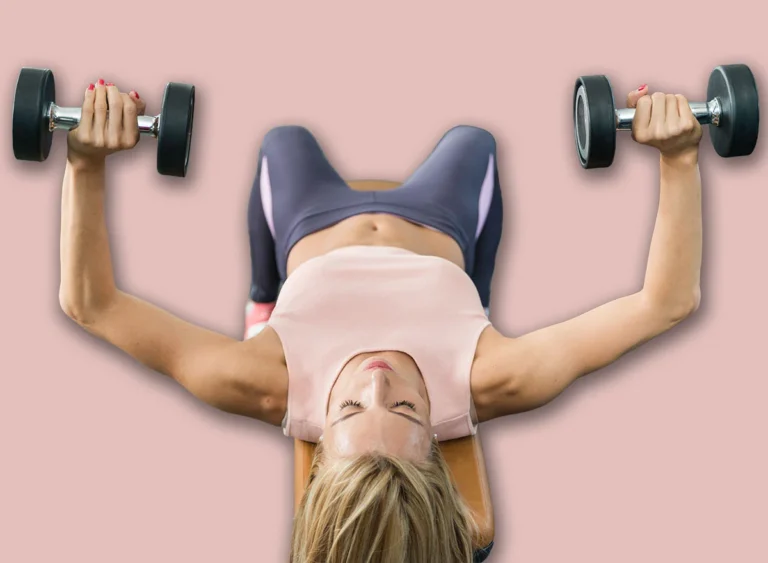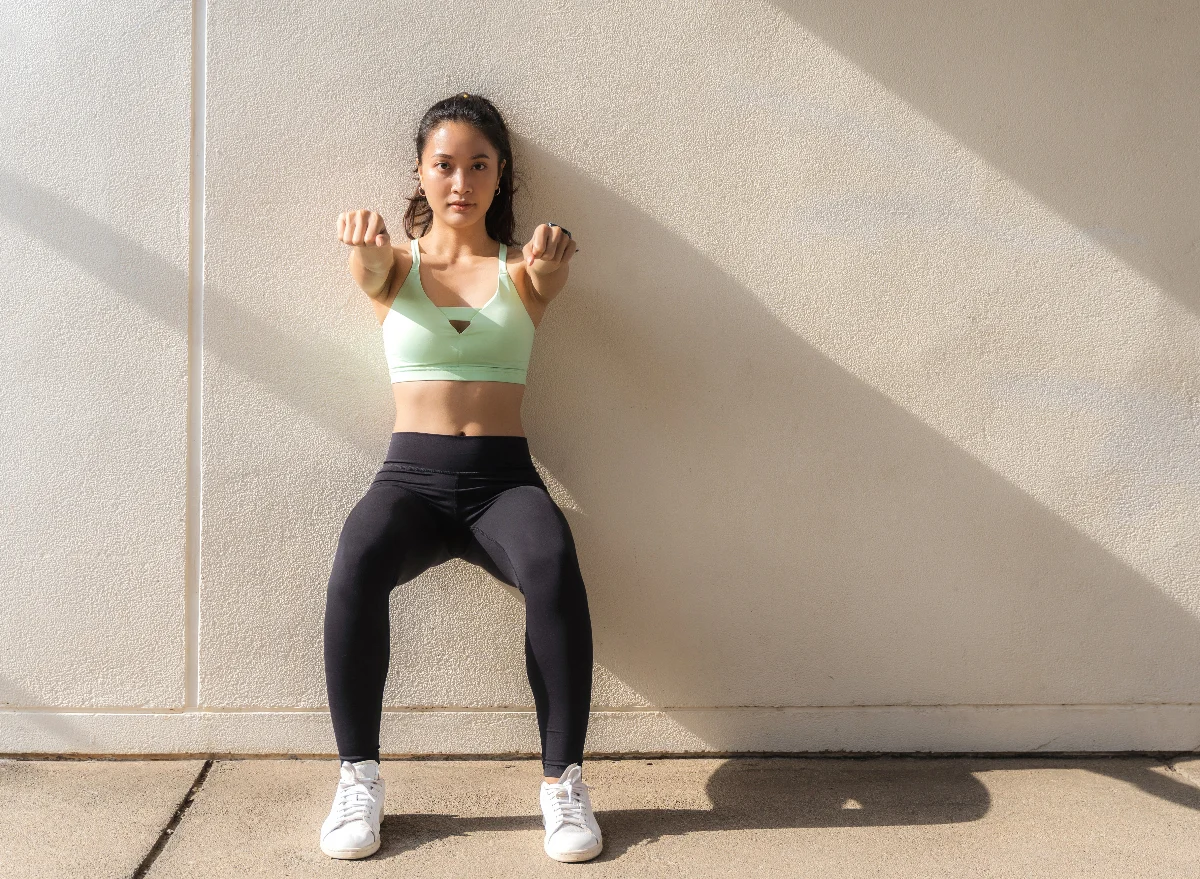
The journey through aging brings a natural evolution in body composition and appearance, with many individuals over the age of 60 observing changes in skin elasticity and muscle tone. A common aesthetic concern that surfaces during this life stage is the phenomenon of skin laxity, often manifesting in areas like the upper arms, abdomen, and thighs. While a multitude of cosmetic solutions, from topical creams to more invasive procedures, promise to restore youthful firmness, an often overlooked yet profoundly effective strategy lies in targeted strength training, particularly accessible wall-based exercises. This approach focuses on building the foundational muscle mass beneath the skin, offering a sustainable and holistic path to improved body contour and overall well-being.
Understanding the Physiological Underpinnings of Skin Laxity
To appreciate the efficacy of muscle-centric interventions, it’s crucial to first understand why skin becomes looser with age. The primary culprits are multifaceted, involving both dermal and muscular changes. Our skin’s youthful resilience and tautness are largely attributable to two vital proteins: collagen and elastin. Collagen provides structural integrity, acting as the scaffolding for skin cells, while elastin imparts the skin’s ability to stretch and recoil. Beginning around the age of 40, the body’s production of these proteins gradually diminishes. This decline accelerates significantly post-menopause in women due to hormonal shifts, leading to a noticeable reduction in skin’s inherent ‘snap-back’ quality. As these essential proteins degrade, the skin loses its firm architecture and becomes more prone to sagging.
Concurrently, another significant factor is sarcopenia, the age-related loss of muscle mass and strength. After approximately age 30, adults can lose 3-8% of their muscle mass per decade, a rate that increases even further after 60. When the underlying muscle structure dwindles, the skin that once draped over a fuller, firmer musculature now has less volume to support it. This reduction in subcutaneous muscle acts as a primary catalyst for the visible appearance of loose or hanging skin. Areas particularly susceptible to this effect are those where the skin naturally sits over relatively smaller muscle groups, such as the triceps (back of the upper arms), the inner thighs, and the abdominal region. Previous significant weight fluctuations throughout life can further exacerbate skin laxity, as prolonged stretching of the skin can permanently impair its elastic recovery, though individual genetic predispositions also play a substantial role in this capacity for rebound.

The Limitations of Surface-Level Solutions
In the quest for firmer skin, many individuals turn to a myriad of commercial products and treatments. Topical creams, often laden with promises of skin tightening, generally operate only on the epidermal layer, which is merely a fraction of a millimeter thick. While some might offer superficial hydration or temporary plumping, their capacity to fundamentally alter skin structure or address the deeper issue of muscle atrophy is negligible. Similarly, body wraps, while providing an immediate, albeit transient, sense of firmness, merely compress the skin and underlying tissues, offering no lasting physiological change.
More advanced cosmetic interventions, such as laser treatments, can stimulate collagen production to a modest degree. However, even these procedures primarily target the dermal layer and do not impact the crucial muscle scaffolding beneath. They often require multiple sessions, carry a significant financial burden, and provide results that are incremental at best and typically necessitate ongoing maintenance. None of these cosmetic solutions address the underlying muscle atrophy that profoundly influences body contour and skin appearance.
The Undeniable Efficacy of Strength Training
Expert fitness professionals, drawing on decades of experience, consistently highlight that true, visible improvements in body firmness and skin appearance stem not from external treatments, but from internal muscular development. Exercise, specifically strength training, builds muscle mass. This increased muscle volume then acts as a natural filler, providing robust support and shape beneath the skin. While exercise cannot literally "tighten" the skin itself by restoring its elasticity, it profoundly changes how the skin sits on the body, creating a noticeably firmer and more toned aesthetic.
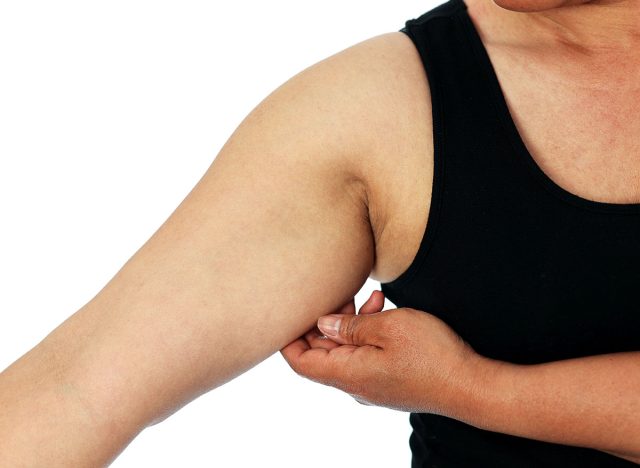
Wall exercises emerge as an exceptionally valuable tool for older adults seeking to rebuild muscle. Their key advantage lies in the inherent stability provided by the wall, which allows individuals to engage muscles with greater intensity and resistance than they might safely achieve in freestanding movements. This enhanced stability significantly reduces the risk of falls or injury, empowering seniors to challenge their muscles effectively – a critical factor for stimulating muscle growth (hypertrophy). Unlike lighter, less impactful movements often marketed as "safe" for older populations, wall exercises facilitate the necessary progressive overload required for genuine muscle development.
Beyond the aesthetic benefits, incorporating wall exercises into a routine offers a wealth of additional health advantages. Regular strength training contributes significantly to improved overall strength, enhanced balance (reducing fall risk), and increased bone density, mitigating the effects of osteoporosis. These holistic benefits are unattainable through cosmetic treatments alone, making strength training a superior, multi-dimensional investment in long-term health and vitality. Furthermore, wall exercises are entirely free, require no specialized equipment, and can be performed conveniently at home, eliminating financial barriers and accessibility issues often associated with other interventions.
Targeted Wall Exercises for Comprehensive Body Toning
To address the most common areas of concern, a focused routine incorporating four specific wall exercises can yield significant results:
-
Wall Push-Up: This foundational exercise effectively targets the muscles of the chest (pectorals), shoulders (deltoids), and the back of the upper arms (triceps). The triceps are particularly important for countering the appearance of "bat wing" skin laxity. By building muscle volume in this region, the entire upper arm appears fuller and firmer from underneath, immediately improving its contour. To perform, stand facing a wall slightly more than arm’s length away, place hands shoulder-width apart on the wall, and lean in, bending elbows, then push back to the starting position.

-
Wall Sit: A powerful isometric exercise, the wall sit primarily engages the quadriceps (front of thighs) and glutes (buttocks). These muscles, when strengthened, provide crucial support for the inner thighs and the posterior leg, areas where skin often appears loose. The isometric nature of the wall sit means muscles are working under maximum contraction without joint movement, making it highly effective for building strength and endurance without impact. To execute, stand with your back against a wall, slide down until your knees are bent at a 90-degree angle, as if sitting in an invisible chair, and hold.
-
Wall Plank: This exercise is a gentler yet highly effective alternative to a traditional floor plank, specifically designed to strengthen the deep core muscles of the trunk. These intrinsic muscles are vital for stabilizing the spine, improving posture, and providing internal support that draws the abdominal region inward. By developing these core muscles, the belly’s shape can improve noticeably, even before any fat loss occurs. The wall plank involves leaning forward with forearms on the wall, maintaining a straight line from head to heels, engaging the core.
-
Wall Glute Squeeze with Hip Extension: Focusing on the gluteal muscles, this exercise helps to fill out the back of the upper thigh and the buttocks. A strong, well-developed gluteal region provides significant support, causing loose skin to sit much more tautly over the newly built muscle. The visual difference in how clothes fit, particularly trousers, can become apparent within weeks. This exercise typically involves standing facing a wall for support, then extending one leg straight back, squeezing the glute at the top of the movement.
Implementing a Sustainable Routine and Managing Expectations
Consistency is paramount for muscle growth and visible changes. A target frequency of three to four sessions per week allows adequate time for muscle recovery, which is when the actual growth occurs. Performing these four exercises in a single session typically takes around 15 minutes, including short rests. For the initial two weeks, aim for two sets of each exercise, gradually progressing to three sets thereafter. This progression is a key trigger for continued muscular adaptation.
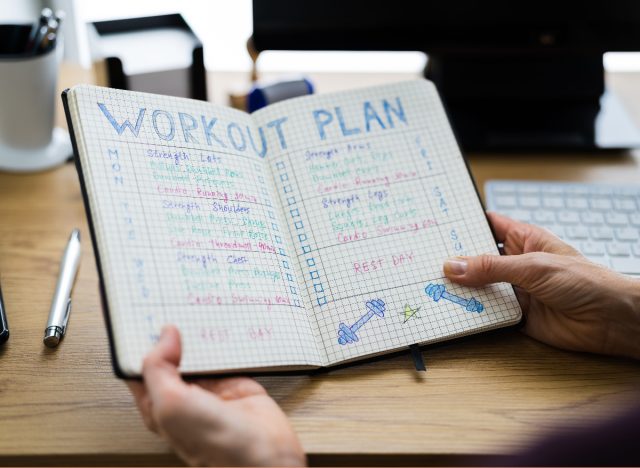
Complementing this routine with regular walking on non-strength training days further enhances overall body composition and cardiovascular health. Walking supports fat loss and circulation, contributing to the desired "toned" aesthetic when combined with muscle building. After the first month, to continue stimulating muscle growth, it’s essential to implement progressive overload. This could involve increasing the duration of holds for isometric exercises (like the wall sit), increasing repetitions for dynamic movements, or graduating to harder variations, such as performing wall push-ups against a lower surface, or adding ankle weights for hip extensions.
In terms of expected outcomes, individuals often report feeling their arms and thighs become firmer to the touch within the initial two weeks, signaling nascent muscle activation and increased tension. By four to six weeks, subtle visible changes typically emerge: arms may appear tighter, the glutes might seem more lifted, and the abdomen less soft. Clothing often begins to fit differently around these areas. Between eight and twelve weeks, the transformations become more pronounced and are often noticed by family and friends, leading to a renewed sense of confidence and the reintroduction of previously shelved attire.
Beyond the three-month mark, the process of muscle building continues, as it can take anywhere from six months to a year for significant muscle development in this age group. Each subsequent month adds further definition and shape. For individuals with very significant skin laxity resulting from substantial weight loss over decades, while exercise provides remarkable improvement, complete skin "tightening" without surgical intervention might not be fully achievable. In such cases, continued dedication to exercise combined with patience and, potentially, consultation with a medical professional, represents the most realistic path forward. Ultimately, embracing strength training offers a powerful, accessible, and scientifically supported strategy for enhancing body aesthetics and bolstering overall health as we age.
About the Author