A groundbreaking study originating from Hiroshima University has unveiled a compelling, yet surprising, new indicator for patient longevity following curative surgery for pancreatic ductal adenocarcinoma (PDAC): the integrity and quantity of an individual’s natural dentition. This research suggests that the number of teeth a person possesses may offer invaluable insights into their extended prognosis after undergoing surgical removal of pancreatic tumors, a finding that could profoundly influence personalized risk stratification and perioperative management strategies for patients grappling with this particularly aggressive malignancy.
Pancreatic ductal adenocarcinoma stands as one of the most formidable and lethal cancers globally, notorious for its late diagnosis, rapid progression, and often grim prognosis even after seemingly successful surgical intervention. Despite advancements in surgical techniques, chemotherapy, and radiation therapy, the overall survival rates for PDAC remain dismally low, underscoring an urgent and ongoing need for more precise prognostic biomarkers that can guide treatment decisions and patient counseling. Traditional prognostic factors typically revolve around tumor characteristics such as stage, lymph node involvement, and surgical margin status. The introduction of a systemic health marker like oral health opens an entirely new avenue for understanding patient resilience and recovery.
The established links between oral health and broader systemic well-being are far from novel. For decades, medical science has recognized the mouth not merely as an isolated cavity but as a critical gateway and mirror reflecting the body’s overall physiological state. Periodontal diseases, characterized by chronic inflammation of the gums and supporting structures of the teeth, have been implicated in a cascade of systemic conditions, including cardiovascular disease, diabetes, respiratory infections, and even adverse pregnancy outcomes. Emerging evidence has further extended these connections to various forms of cancer, suggesting that oral pathologies might not only serve as indicators of systemic vulnerability but could potentially contribute to oncogenesis or influence tumor progression.
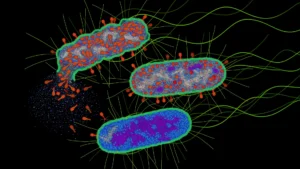
Prior research endeavors have specifically explored the nexus between dental health and cancer outcomes. Studies focusing on gastrointestinal malignancies, such as colorectal and esophageal cancers, have previously indicated that compromised oral hygiene and periodontal disease can negatively impact patient prognosis. Furthermore, within the realm of pancreatic cancer, earlier investigations have highlighted a correlation between poor oral health and an increased risk of post-surgical complications following pancreatectomy. These connections often point towards the role of specific oral pathogens, like Porphyromonas gingivalis, a bacterium commonly associated with severe periodontitis. High-impact studies have begun to elucidate potential mechanisms through which such pathogens might contribute to pancreatic carcinogenesis and facilitate tumor progression, possibly by inducing chronic inflammation, altering the gut microbiome, or directly interacting with host cells. However, a direct, quantifiable link between the general state of oral health, particularly the number of remaining natural teeth, and long-term survival outcomes after pancreatic cancer surgery had remained largely unexplored until this recent Hiroshima University investigation.
Motivated by these preliminary insights and the persistent challenge of improving PDAC patient outcomes, the research team at Hiroshima University embarked on a mission to systematically evaluate whether an individual’s oral health status, specifically measured by their natural tooth count, correlated with their post-operative survival duration. The study, which eventually saw its findings published in the prestigious Journal of Hepato-Biliary-Pancreatic Sciences, aimed to fill a critical gap in understanding the holistic factors influencing long-term prognosis.
The comprehensive study cohort comprised 339 consecutive patients who underwent radical pancreatectomy between 2014 and 2022 at the Department of Surgery, Hiroshima University Hospital. Radical pancreatectomy, a complex surgical procedure, involves the removal of all or part of the pancreas, often accompanied by portions of adjacent organs, to excise cancerous tissue. This standardized surgical approach ensured a consistent patient group for analysis. A crucial aspect of the study’s methodology involved a meticulous dental examination administered to every participant prior to their surgery. Researchers employed two primary metrics to objectively assess oral health: the total count of natural teeth remaining in the patient’s mouth and the functional status of occlusion, which refers to the contact relationship between the upper and lower premolars and molars, indicating chewing ability.
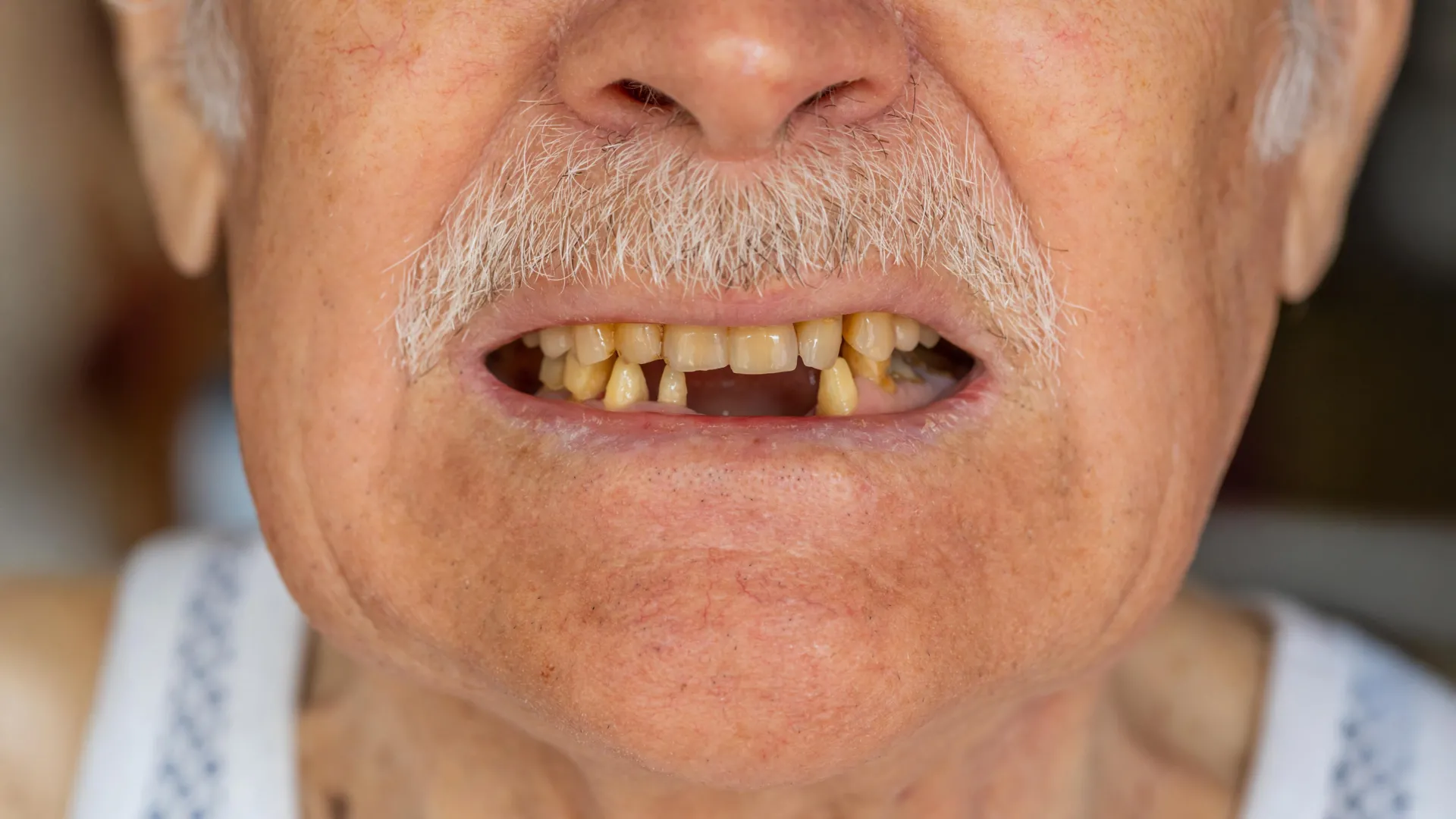
The results of the analysis revealed a striking and statistically significant disparity in long-term survival directly correlated with the number of natural teeth. Patients presenting with 21 or more natural teeth exhibited a median overall survival of an impressive 60.7 months. In stark contrast, individuals who had 20 or fewer natural teeth experienced a notably shorter median survival, averaging just 39.1 months. This substantial difference represents nearly a two-year extension in life expectancy for patients with a greater number of natural teeth, highlighting the profound potential implications of this finding.
Crucially, the statistical significance of this relationship persisted even after the researchers meticulously adjusted for several well-established prognostic factors known to influence PDAC outcomes. These confounders included the tumor’s stage, the presence and extent of lymph node metastasis, the status of surgical margins (whether cancerous cells were left behind), the administration of adjuvant chemotherapy, and the patient’s nutritional status. By controlling for these variables, the study effectively isolated the independent predictive power of natural tooth count, strengthening the validity and robustness of its conclusions.
Associate Professor Kenichiro Uemura of Hiroshima University’s Graduate School of Biomedical and Health Sciences, who served as the corresponding author for the study, underscored the profound nature of these findings. He emphasized the critical observation that while pancreatic cancer remains exceptionally deadly, the survival outlook post-resection is frequently bleak. Uemura highlighted the surprising magnitude of the survival difference observed between the groups based on tooth count. He also pointed out an equally intriguing discovery: the functional aspect of chewing, assessed through posterior teeth occlusion, did not independently correlate with survival. This particular detail led researchers to a pivotal interpretation: the number of natural teeth likely serves as a far broader indicator of systemic health rather than simply a proxy for masticatory efficiency.
The implication is that tooth loss, rather than directly causing poorer outcomes through impaired nutrition, might be a cumulative marker of a lifetime’s exposure to chronic inflammation, general physiological frailty, suboptimal nutritional states, specific lifestyle choices, and an overarching systemic vulnerability that has accumulated over decades. As Uemura eloquently articulated, "The mouth may reflect the body’s long-term resilience." This perspective posits that the presence of numerous natural teeth signifies a greater baseline health status, reflecting a body that has historically managed inflammatory burdens more effectively, maintained better nutritional intake, adopted healthier lifestyle patterns, and possesses a higher degree of physiological reserve to withstand the rigors of major surgery and subsequent cancer treatment. Conversely, extensive tooth loss might signal a history of chronic systemic stressors that have eroded the body’s overall capacity to fight disease and recover.
The researchers at Hiroshima University acknowledge that while their findings are compelling, they represent a single-center study primarily involving patients of Japanese ethnicity. Therefore, they emphasize the critical need for validation through larger, multicenter, and internationally diverse cohorts to ascertain the generalizability of these observations across different populations and healthcare systems. Furthermore, a key area for future investigation involves delving deeper into the precise biological mechanisms that underpin this correlation. This includes meticulously examining the intricate interplay between oral bacteria, systemic chronic inflammation, and the molecular pathways driving pancreatic cancer progression. Unraveling these complex biological connections could pave the way for targeted interventions that go beyond simply counting teeth.
The ultimate vision articulated by Uemura and his team is to foster a transformative shift in pancreatic cancer care. They envision a future where prognostic assessments transcend mere tumor biology, integrating a comprehensive evaluation of the patient’s long-term systemic condition and the health of their oral environment. This holistic approach could lead to the integration of oral health assessments into routine personalized risk stratification protocols and perioperative management strategies for individuals diagnosed with pancreatic cancer. Such a paradigm shift could empower clinicians to identify at-risk patients more effectively, tailor pre-operative interventions to optimize their overall health, and potentially improve long-term survival outcomes, offering a new beacon of hope in the fight against this formidable disease. The study’s co-authors included Kaoru Seo, Kenjiro Okada, Tatsuaki Sumiyoshi, Ryuta Shintakuya, and Shinya Takahashi from Hiroshima University, along with Hiromi Nishi and Hiroyuki Kawaguchi from Hiroshima University Hospital, and Yoshiaki Murakami from Hiroshima Memorial Hospital, with Kaoru Seo as first author and Kenichiro Uemura as Principal Investigator.
About the Author