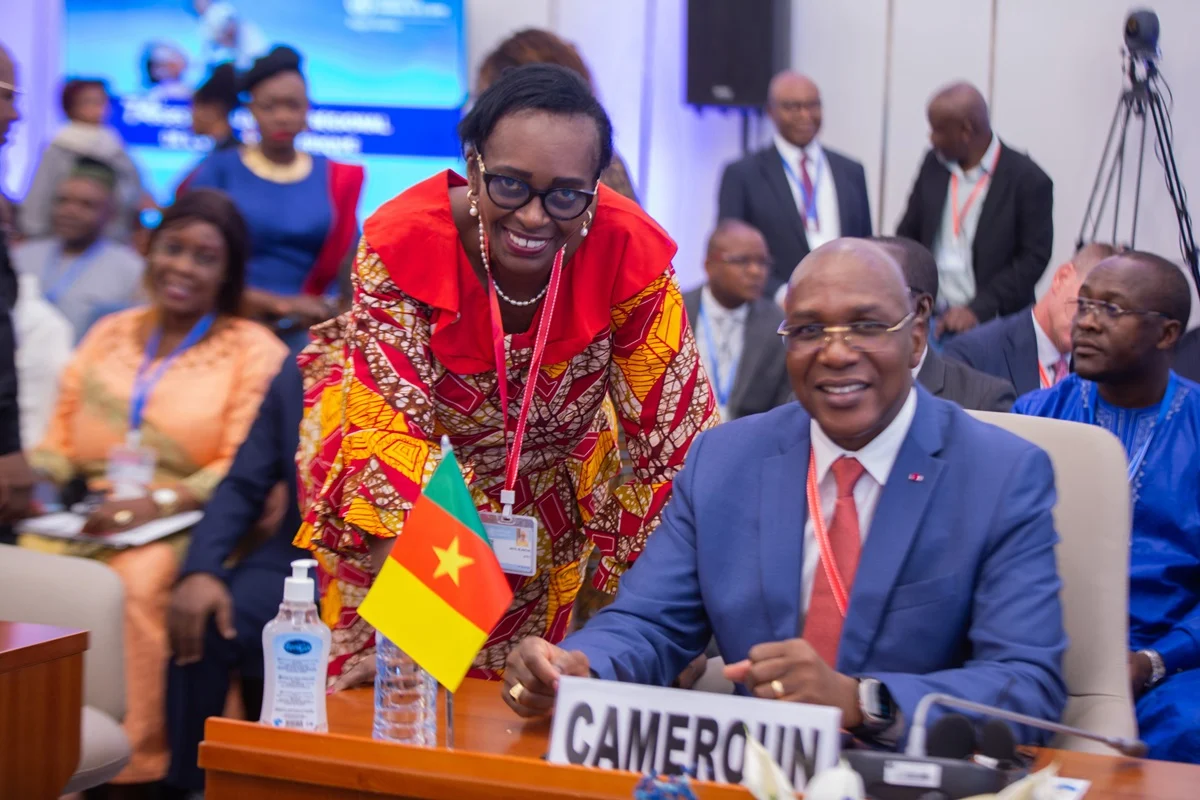
A landmark financial commitment, totaling over US$45 million, has been channeled into the World Health Organization’s (WHO) novel Investment Round, marking a pivotal moment in the global effort to secure sustainable financing for international public health. This substantial infusion of capital, predominantly spearheaded by fourteen African nations and bolstered by a diverse coalition of global partners, signals a unified resolve to fortify the WHO’s indispensable role at the nexus of the international health architecture. The announcement, emerging from the recent WHO Regional Committee for Africa, underscored a collective recognition of the pressing need for robust, predictable, and flexible funding to confront the increasingly intricate and evolving challenges that define the contemporary global health landscape.
The consortium of African states demonstrating this unprecedented solidarity comprises Botswana, Cabo Verde, Chad, Congo, Ethiopia, Gambia, Mauritius, Namibia, Niger, Rwanda, Senegal, Seychelles, South Africa, and the United Republic of Tanzania. Their collective pledge represents a significant statement of continental leadership and commitment to self-reliance in addressing health priorities. This potent demonstration of support was further amplified by substantial commitments from influential philanthropic organizations, development banks, and private sector entities. Prominent among these global allies are the Helmsley Charitable Trust, the World Diabetes Foundation, Roche, the Kuwait Fund for Arab Economic Development, the Bill & Melinda Gates Foundation, the African Development Bank, and the WHO Foundation, with additional partners anticipated to join future pledging events as the Investment Round progresses.
The WHO Investment Round, officially inaugurated at the 2024 World Health Assembly in May, represents a strategic re-envisioning of the organization’s financial architecture. It is designed to overcome traditional funding challenges that often limit the WHO’s agility and long-term planning capabilities. Historically, the organization has relied heavily on voluntary contributions, which, while vital, are frequently earmarked for specific projects or regions, can be unpredictable, and are often provided on short-term cycles. This can hinder strategic allocation, impede rapid response to emerging crises, and complicate the implementation of comprehensive, multi-year programs.
In contrast, the Investment Round’s core tenets revolve around generating contributions that are inherently flexible, empowering the WHO to strategically allocate resources where they are most critically needed, in direct alignment with the priorities collaboratively established by its Member States. A crucial aspect of this new model is the aim for funding to be predictably provided at the commencement of each four-year budgetary cycle. This forward-looking approach enables the WHO to engage in more effective long-term planning, facilitate robust program design, and ensure sustained implementation of its global health initiatives without the constant pressure of short-term funding cycles. Furthermore, by deliberately diversifying its donor base beyond a limited number of major contributors, the initiative seeks to foster greater resilience in the WHO’s financial streams, safeguarding operational continuity even amidst unforeseen global economic shifts or geopolitical complexities. This innovative approach aims to provide a stable and sustainable foundation for the WHO’s multifaceted global mandate, moving away from reactive, ad-hoc funding to a more strategic and proactive financial paradigm.
The imperative behind fortifying the WHO’s financial backbone is profound and multifaceted. In an era increasingly defined by persistent infectious disease threats—from recurrent outbreaks of Ebola and other viral diseases to the ongoing challenges of malaria and HIV/AIDS—coupled with the escalating global burden of non-communicable diseases, the profound health impacts of climate change, and persistent, egregious inequalities in access to essential care, a fully empowered and well-resourced WHO is not merely beneficial, but absolutely indispensable. Its expansive mandate encompasses the critical functions of promoting health and well-being, facilitating equitable access to essential health services, and proactively protecting populations from emerging and re-emerging health crises. A financially secure WHO is better equipped to provide invaluable technical assistance to countries, enhance global disease surveillance networks, facilitate the rapid development and equitable distribution of vaccines and therapeutics, and furnish evidence-based guidance for public health policies worldwide. This proactive and strategic investment is widely regarded as a critical enabler for advancing universal health coverage—a cornerstone of global health equity—and for achieving the ambitious health-related targets embedded within the Sustainable Development Goals.
Dr. Tedros Adhanom Ghebreyesus, the esteemed Director-General of the WHO, expressed profound appreciation for the African Region Member States’ proactive and pioneering engagement in this initiative. He emphatically underscored that "predictable and flexible resources are absolutely vital for our core work over the next four years," highlighting the direct link between financial stability and effective global health action. Dr. Tedros further articulated the transformative potential of such sustainable funding, stating it would "enable WHO to better support countries in their critical efforts to build healthier, more resilient, and ultimately more prosperous populations." Echoing this powerful sentiment, Dr. Matshidiso Moeti, the WHO Regional Director for Africa, articulated the foundational necessity of a "strong, predictable, and sustainably financed WHO" in confronting the myriad health threats that continuously challenge the continent and the world at large. She stressed that "every pledge and every partnership contributes meaningfully" towards the collective aspiration of a future where "health and well-being are universally accessible."
The leading role assumed by African nations in this pivotal funding initiative is particularly salient and historically significant. For generations, many African countries have borne a disproportionate share of global health burdens, navigating challenges ranging from widespread endemic diseases to devastating epidemics and the pervasive effects of poverty on health outcomes. This collective commitment, therefore, transcends mere financial contribution; it signifies a powerful strategic shift, demonstrating a robust recognition of self-agency and a proactive stance in shaping global health governance and financing mechanisms. By investing substantially in the WHO, these nations are not only bolstering an essential international body but are also making a direct, impactful investment in their own regional health security and the fundamental well-being of their citizens. This decisive action reflects a growing confidence, a shared vision, and a profound desire to actively contribute to the development and implementation of solutions that comprehensively address shared vulnerabilities and foster equitable health outcomes across the continent and, by extension, globally.
The inaugural Investment Round, while achieving significant early success and garnering substantial initial pledges, remains an ongoing global endeavor. Further key pledging events are strategically scheduled around the world in the coming months, with the overarching objective of broadening the donor base even further and attaining the full financial targets required for the WHO’s comprehensive 2024-2027 strategic plan. The successful implementation and sustained impact of this innovative funding model hold profound implications for the future trajectory of international health cooperation. It unequivocally signals a progressive movement towards a more collaborative, equitable, and financially robust paradigm, where Member States and global partners collectively assume greater responsibility for equipping the WHO with the essential means to fulfill its ambitious and absolutely critical mission. This collaborative financing approach is poised to significantly enhance the organization’s intrinsic capacity to respond with greater agility and foresight to health crises, to catalyze groundbreaking innovation in health solutions, and to robustly advocate for health equity on a truly global scale.
This landmark demonstration of unity, shared purpose, and resolute financial commitment from African nations and their international allies establishes a powerful precedent for sustainable global health financing. It crucially solidifies the WHO’s ability to operate with enhanced agility, strategic foresight, and sustained impact, ultimately fostering a world where health is not merely a privilege but a fundamental, universal right, underpinned by a resilient, well-resourced, and globally responsive public health architecture.
About the Author