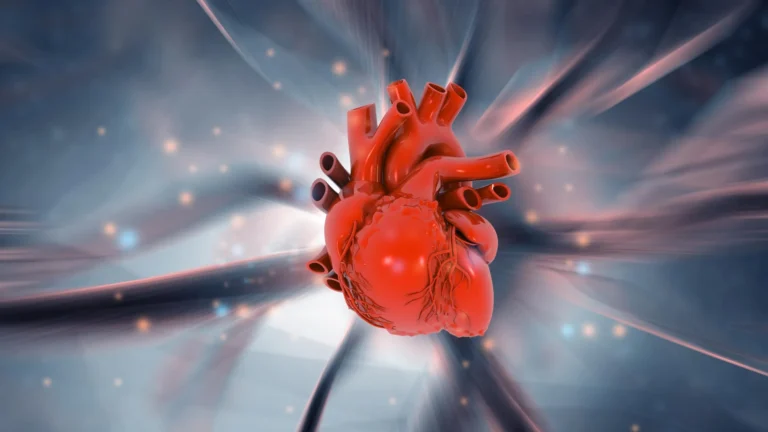
A groundbreaking study conducted by a collaborative team of Australian researchers has unveiled compelling evidence that the adult human heart possesses a previously underestimated capacity to generate new muscle cells following a myocardial infarction, commonly known as a heart attack. This discovery fundamentally challenges the long-standing medical consensus that cardiac muscle tissue, once damaged or destroyed by such an ischemic event, is permanently lost and incapable of self-repair. The findings, published in the esteemed journal Circulation Research, open unprecedented avenues for developing innovative therapeutic strategies aimed at reversing the debilitating effects of heart failure, a condition with significant global health implications.
For decades, the prevailing scientific dogma held that adult human cardiomyocytes, the specialized muscle cells responsible for the heart’s pumping action, are terminally differentiated, meaning they lose their ability to divide and reproduce shortly after birth. Consequently, any significant loss of these vital cells, such as that occurring during a heart attack, was considered irreversible. This entrenched belief underscored the severity of cardiac damage, leading to the perception that affected regions of the heart were irrevocably compromised, leaving the organ with diminished functional capacity. The current research provides the first direct human evidence to contradict this view, demonstrating that while scar tissue invariably forms, the heart also initiates a compensatory process of new muscle cell production.
Dr. Robert Hume, the lead author from the Faculty of Medicine and Health and Charles Perkins Centre, and Translational Research Lead at the Baird Institute for Applied Heart and Lung Research, elaborated on the profound implications of this revelation. He emphasized that the long-held understanding painted a grim picture for patients, where areas of cardiac tissue necrosed by an attack were considered beyond repair, permanently impairing the heart’s efficiency in circulating blood throughout the body. The new data, however, introduces a novel perspective: despite the formation of scar tissue, the heart actively engages in generating fresh muscle cells, a process that suggests an inherent, albeit currently insufficient, regenerative response. This insight could fundamentally reshape future approaches to cardiovascular medicine, shifting focus from merely managing damage to actively promoting repair.
The clinical ramifications of myocardial infarction are devastating and widespread. Cardiovascular disease continues to be the foremost cause of mortality worldwide, claiming millions of lives annually. In Australia alone, it accounts for nearly a quarter, precisely 24 percent, of all recorded deaths. A severe heart attack can obliterate up to a third of the heart’s vital muscle cells, leading to a cascade of physiological impairments. While significant advancements in emergency medical interventions and post-attack care have dramatically improved survival rates over the past decade, surviving the initial acute event often marks the beginning of a chronic battle against its long-term sequelae.
Many survivors eventually progress to developing heart failure, a debilitating syndrome characterized by the heart’s inability to pump an adequate supply of oxygenated blood to meet the body’s metabolic demands. This condition results in symptoms ranging from severe fatigue and shortness of breath to fluid retention and impaired organ function, profoundly impacting quality of life. Currently, a heart transplant represents the only definitive cure for advanced heart failure. However, this option remains accessible to an exceedingly small fraction of eligible patients due to the severe scarcity of donor organs. The disparity is stark: in Australia, approximately 144,000 individuals are living with heart failure, yet only about 115 heart transplants are performed annually. This leaves an immense and tragic gap between the vast number of patients who could benefit from a new heart and the limited availability of viable donor organs, underscoring the critical need for alternative, regenerative therapies.
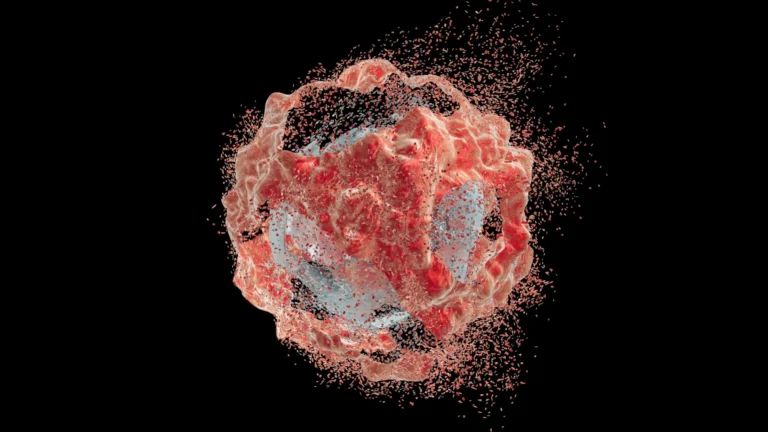
The breakthrough is built upon previous observations in animal models, specifically mice, where an increase in mitosis—the cellular process of division and reproduction—was noted in cardiac muscle following a heart attack. However, translating these findings to humans has always presented a formidable challenge due to inherent biological differences between species. This Australian research marks a pivotal moment as it is the first to unequivocally demonstrate this same regenerative phenomenon within the adult human heart, providing direct evidence that the fundamental biological capacity for self-repair exists in our species. While the heart’s natural regenerative effort is presently inadequate to fully replace the substantial volume of muscle destroyed during a typical heart attack, understanding the intricate mechanisms that govern this nascent process holds the key to developing methods that could amplify it.
A critical component of this research involved an innovative and world-first methodological approach: the collection and study of living heart tissue from patients undergoing cardiac bypass surgery. These unique "pre-mortem" tissue samples were obtained from consenting individuals at Royal Prince Alfred Hospital in Sydney, providing an unprecedented window into active human cardiac biology. Researchers meticulously collected tissue samples from both diseased areas of the heart, affected by conditions necessitating bypass, and adjacent, relatively non-diseased regions. This allowed for direct comparison and analysis of cellular activities within a living context, rather than relying on post-mortem samples or less representative animal models.
The ingenious sampling technique was meticulously developed by a collaborative team including Professor Paul Bannon and Professor Sean Lal, who hold joint appointments at the University of Sydney, Royal Prince Alfred Hospital, and The Baird Institute. The ability to access and study living human heart tissue represents a paradigm shift in cardiovascular research. It provides scientists with a laboratory model that more accurately reflects the complex physiological processes occurring in patients, offering insights that were previously unattainable. This novel resource is expected to accelerate the discovery of new diagnostic markers and therapeutic targets for various cardiac conditions.
The potential for this living heart tissue model to become an indispensable tool in the quest for regenerative treatments is immense. The research team is optimistic that this model will illuminate the precise cellular and molecular pathways through which the heart generates new muscle cells. Crucially, it will enable investigators to explore strategies to enhance and strengthen this natural, albeit currently limited, regenerative response. Professor Sean Lal, a senior author of the study from the School of Medical Sciences and a practicing heart failure cardiologist at Royal Prince Alfred Hospital, articulated the ultimate ambition: "Ultimately, the goal is to leverage this discovery to cultivate new heart cells that can effectively reverse heart failure, offering a beacon of hope for countless patients."
He further underscored the superior reliability and accuracy of data derived from these living human heart tissue models, which will be instrumental in the rigorous development of novel therapies for cardiovascular disease. Already, preliminary investigations utilizing these invaluable samples have led to the identification of several proteins. These proteins had previously been implicated in the regenerative processes observed in the hearts of mice, and their detection in human tissue samples presents an extraordinarily exciting prospect for clinical translation.
These identified proteins could serve as crucial molecular targets, providing researchers with vital clues about how to pharmacologically or genetically stimulate damaged human hearts to produce a greater number of muscle cells. While the development of such advanced regenerative treatments remains a long-term aspiration, requiring extensive further research and clinical trials, this foundational discovery provides unequivocal direct evidence that the adult human heart possesses an inherent, albeit latent, capacity to rebuild its muscle architecture following the trauma of a heart attack. This shifts the therapeutic landscape from merely mitigating damage to actively pursuing strategies for cardiac repair and regeneration, offering a profound sense of optimism for the future of cardiovascular medicine and the millions affected by heart disease globally.
About the Author